




Reading the Signs from Above
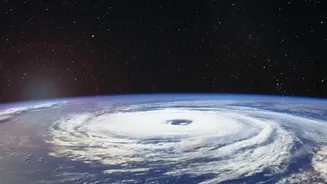
Recent satellite imagery has captured a dramatic change in Asia's atmospheric landscape: vast stretches of India, particularly over the northwest and central regions, are now visibly clear of the dense cloud cover that characterises the monsoon. This
significant reduction in cloudiness is a primary indicator that the monsoon's vigorous circulation is beginning to wane. However, experts caution that these visuals, while striking, are just one piece of the puzzle. The official declaration of withdrawal by the India Meteorological Department (IMD) requires a specific set of criteria to be met, including the establishment of an anticyclone—a high-pressure system that pushes dry air downwards—over the region and a sustained cessation of rainfall for at least five consecutive days. Current weather models from global agencies project this anticyclonic circulation to gradually strengthen and mature over northwest India around the second half of September, setting the stage for a more organised retreat.
What 'Withdrawal' Actually Means
The end of the monsoon is not like flipping a switch. It is a gradual and phased process known as the withdrawal, which typically begins from the extreme northwestern parts of the country, like West Rajasthan, around mid-September. From there, the line of withdrawal slowly shifts southeastward over several weeks, a process that can often be erratic. It is common for northern states to be experiencing dry, post-monsoon weather while the southern peninsula continues to receive active rainfall. The IMD's official criteria state that the withdrawal from the entire country is only declared after October 1st, once the prevailing wind patterns have fully changed from moist southwesterlies to a drier regime. Though some forecasts predicted an on-time withdrawal around September 17 this year, the official process will only commence after conditions are consistently met post-September 15.
An Erratic 2026 Monsoon Season
The 2026 monsoon season has been a story of extremes, heavily influenced by a strengthening El Niño, which typically suppresses rainfall in India. The season began with a significant deficit, with June rainfall nearly 38% below normal, stalling the crucial Kharif sowing season. A dramatic reversal in July, driven by an unusual number of low-pressure systems, brought surplus rain that helped sowing activities catch up. Despite this mid-season recovery, the overall performance has remained patchy. As of early September, the country was still facing a rainfall deficit of around 14%. This national average conceals sharp regional disparities: large parts of the south have been dry, while some areas in the north and east have contended with floods and landslides despite recording below-normal seasonal rain.
Implications for Farming and Water Security
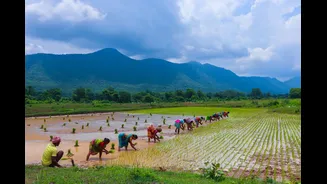
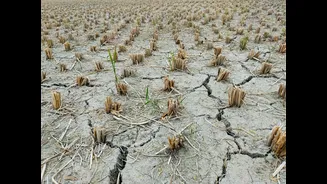
The timing and nature of the monsoon's withdrawal are critical for India's agriculture and water reservoirs. A timely retreat with adequate soil moisture is essential for the sowing of winter (Rabi) crops like wheat and mustard. However, a season marked by prolonged dry spells and an overall deficit, as seen in 2026, puts significant stress on water resources. Below-normal rainfall has already impacted water-stressed crops like rice, increasing reliance on groundwater and diesel-powered irrigation. As the monsoon recedes, attention will turn to the water levels in India's major reservoirs. These levels are crucial not only for the upcoming Rabi season but also for providing drinking water and generating hydropower through the long dry months ahead.
What Comes Next?
As the southwest monsoon bids farewell to the northern and central parts of the country, a different weather system begins to take shape. The focus will shift to the Northeast Monsoon, which brings crucial post-monsoon showers to southern states like Tamil Nadu, coastal Andhra Pradesh, and parts of Karnataka between October and December. Some meteorologists believe the erratic nature of this year's primary monsoon could lead to a delayed or patchy Northeast Monsoon season. For the rest of the country, the withdrawal ushers in clearer skies, lower humidity, and the pleasant, cooler temperatures of autumn, marking a distinct and welcome change after months of heat and humidity.