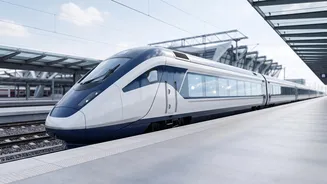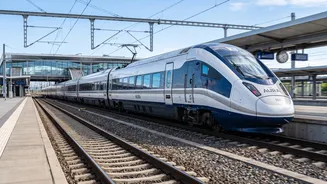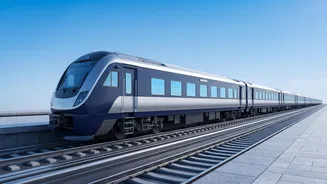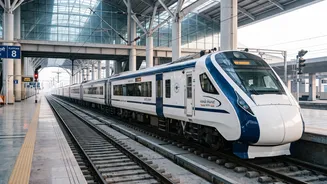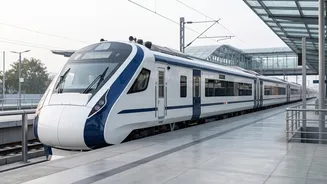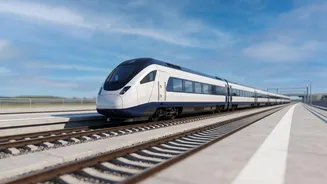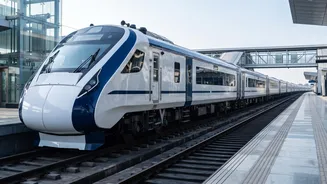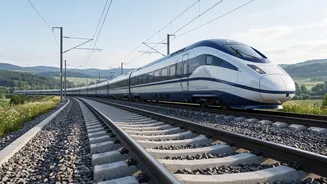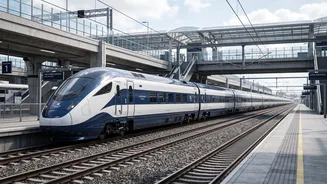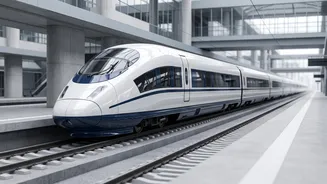



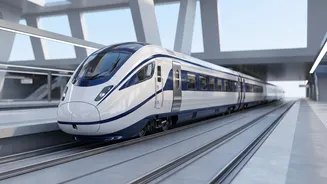
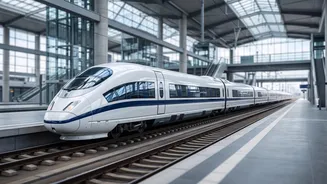
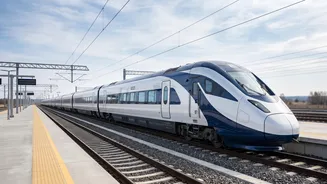
Indian Railways is embarking on its next major evolution in passenger travel. Beyond the successful Vande Bharat chair cars, the focus is now shifting to overnight journeys with a new generation of sleeper trains set to redefine comfort and speed.
A New Chapter in Overnight Travel
Indian
Railways is setting its sights on a significant upgrade for long-distance passengers, with plans for a new, larger sleeper train prototype to be ready around mid-2027. This initiative is part of a broader strategy to modernise its fleet and enhance the overnight travel experience, which remains the backbone of Indian mobility. The upcoming model is a 24-coach version of the Vande Bharat sleeper, a notable increase from the 16-coach prototypes that have already started entering service. This larger configuration is designed to cater to high-demand, long-haul routes, offering more capacity and improved amenities for passengers spending the night on board. The Integral Coach Factory (ICF) in Chennai is spearheading this project, with a target to finalise the design by November 2026 before building the prototype. This development signals a two-pronged approach: continue rolling out the 16-coach sleepers while simultaneously developing a next-generation version for even greater scale and comfort.
What Makes the 'Larger' Train Different?
The key distinction of the 2027 prototype lies in its size and amenities. The planned 24-coach trainset is a direct response to the needs of longer, more populated routes. A significant addition will be a dedicated pantry car, allowing for better onboard catering with freshly heated meals, a feature not present in the smaller 16-coach sleeper model. Furthermore, the larger design is expected to incorporate more toilets and other interior modifications to improve passenger convenience on extended journeys. While the 16-coach version accommodates over 800 passengers, the 24-coach variant will naturally serve a much higher number, making it a more efficient solution for trunk routes. Orders have already been placed with companies like US-based Wabtec to supply crucial components such as advanced braking systems, automatic doors, and sealed gangways for 50 of these 24-coach trainsets. These elements are critical for ensuring safety, maintaining cabin temperature, and reducing noise.
Building on the Vande Bharat Success
This new project is not starting from scratch. It builds upon the successful Vande Bharat platform, which revolutionised daytime travel with its semi-high speed capabilities and modern features. The sleeper versions, both 16 and 24 coach, use the same distributed power system, which allows for faster acceleration and deceleration compared to traditional locomotive hauled trains like the Rajdhani Express. Passengers can expect a similar premium experience, including jerk free rides, reduced noise, bio vacuum toilets, sensor based taps, and individual reading lights. The focus for the sleeper variant has been on redesigning the interior for overnight comfort, with wider berths and improved ladders for easier access. The trainsets are designed to operate at 160 kmph, though actual speeds depend on track capacity. The entire Vande Bharat fleet is also being equipped with KAVACH, India's indigenous anti collision system, to enhance safety.
The Broader Manufacturing Push
The 24 coach prototype is just one piece of a massive manufacturing puzzle for Indian Railways. The government plans to introduce hundreds of Vande Bharat sleeper trains in the coming years. The production is being handled by a mix of public and private players. BEML has already manufactured the first few 16 coach trainsets, with one service already operational. Beyond that, large contracts have been awarded to various consortiums. An Indo Russian joint venture, Kinet Railway Solutions, is tasked with building 120 trainsets. Another 80 are being manufactured by a partnership between Titagarh Rail Systems and BHEL. These efforts are running parallel to ICF's work on the 50 larger, 24 coach trains. This multi pronged strategy aims to rapidly scale up the fleet, ensuring that these modern, comfortable, and faster sleeper trains can be deployed across the country's vast rail network in the near future.