







The Magic of a Monsoon Safari
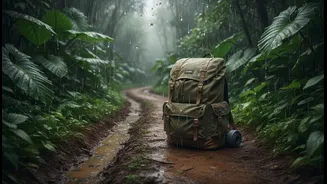
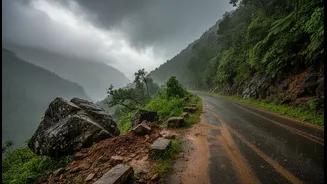
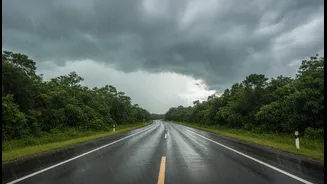
A wildlife safari during the Indian monsoon is an entirely different beast. The dry, dusty trails of summer are replaced by a vibrant, emerald-green landscape. The air is clean, the rivers and waterholes are full, and the forest is bursting with life.
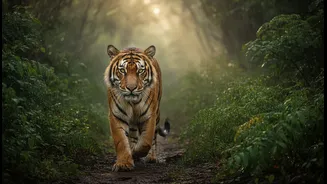
This is the jungle at its most atmospheric. For photographers, the diffused light and dramatic skies create stunning opportunities. For nature lovers, it’s a chance to see the ecosystem revived, with unique animal behaviors on display. Tigers and leopards, for instance, are often more active as they patrol their territories, their scent markings washed away by the rain. The smaller crowds also mean a more serene and personal experience, allowing you to connect with nature without the usual hustle.
Top Pick: Tadoba-Andhari Tiger Reserve, Maharashtra
Tadoba is a superstar when it comes to monsoon safaris. While its core area closes from July to September, the park's buffer zones remain open and are famous for their high tiger density. A safari here during the rains is an adventure through thick bamboo and teak forests, where sightings of tigers, leopards, and wild dogs are still very possible. The Moharli, Kolara, and Navegaon gates are popular entry points for monsoon safaris. The experience is less about chasing specific animals and more about immersing yourself in the forest's vibrant, rain-washed ecosystem.
The Royal Choice: Ranthambore National Park, Rajasthan
Contrary to popular belief, Ranthambore doesn't completely shut down. While the popular core zones 1-5 are closed for the monsoon, zones 6 through 10 typically remain open for safaris. Visiting Ranthambore between July and September is a chance to see the arid landscape of Rajasthan transform into a lush, green canvas, with the ancient fort providing a dramatic backdrop. Tiger sightings might require more patience due to the dense foliage, but the overall scenery and the possibility of spotting wildlife near the park's revived water bodies make it a worthwhile trip.
Southern Gem: Kabini & Nagarhole National Park, Karnataka
For a truly year-round safari experience, look south to Kabini. Located within Nagarhole National Park, this destination is open throughout the monsoon. The rains transform the landscape into a breathtakingly green spectacle. The Kabini River swells, making boat safaris a primary attraction. From the water, you can witness large herds of elephants gathering at the banks. While the dense vegetation can make spotting big cats from a jeep more challenging, the overall experience of the forest, the active birdlife, and the scenic boat rides make Kabini a premier monsoon destination.
More Monsoon Havens
Other parks also offer fantastic monsoon experiences. Periyar National Park in Kerala is open all year and is famous for its boat safaris on Periyar Lake, a perfect way to see elephants in a lush setting. In Uttarakhand, the Jhirna and Dhela zones of Jim Corbett National Park remain accessible, offering a quieter safari experience amidst the Himalayan foothills. Similarly, the buffer zones of parks like Pench, Satpura, and Bandhavgarh in Madhya Pradesh also welcome visitors, providing an offbeat adventure for the dedicated wildlife enthusiast.
Your Monsoon Planning Guide
Planning a safari during the rains requires some extra thought. First, book your permits well in advance, as only a limited number of vehicles are allowed in the open zones. Pack lightweight, quick-drying clothes in neutral colours, and don't forget a reliable rain poncho and waterproof bags for your electronics. Sturdy, waterproof footwear with good grip is essential. Be prepared for leeches on forest trails, especially in the Western Ghats; leech socks are a wise investment. Finally, keep your itinerary flexible. Heavy rains can sometimes lead to temporary road closures or safari cancellations, so it's best to have a buffer day.