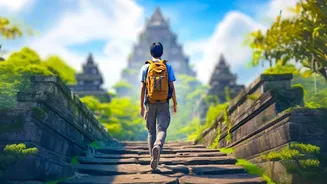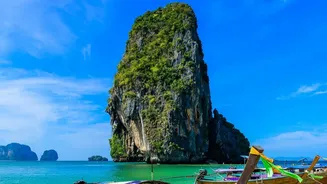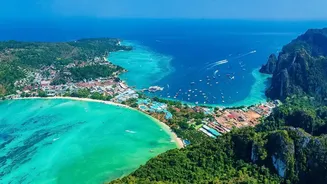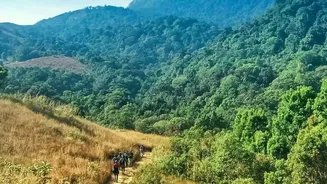






The quintessential image of a holiday often involves sun, sand, and sea. Yet, a significant shift is underway. Travellers are increasingly looking beyond the shore, seeking different kinds of escape, adventure, and connection.
The Problem with Paradise
For decades, the goal was
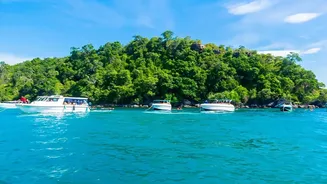
a perfect beach. But the popularity of these idyllic spots has come at a cost. Overtourism in many famous coastal destinations has led to overwhelming crowds, environmental strain, and a feeling of sameness. Places like Venice and certain Thai islands have struggled with the sheer volume of visitors, leading to pollution, damage to natural habitats like coral reefs, and tension with local communities. For many, the stress of navigating a packed beach and inflated prices has started to outweigh the relaxation, prompting a search for quieter, more meaningful alternatives.
A New Generation’s Travel Goals
Today’s travellers, particularly younger generations, are driven by a different set of priorities. The focus has moved from simply 'going somewhere' to 'experiencing something'. There's a growing desire for authentic cultural immersion, personal growth, and creating unique memories. This shift is reflected in the demand for trips that offer more than just a place to relax; travellers want to learn a skill, challenge themselves physically, or connect with local life. The goal is no longer just a great photo, but a great story to tell.
The Rise of Cold-Weather Adventures
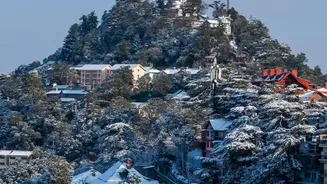
One of the most significant trends is the growing appeal of cold climates. The global winter adventure tourism market is expanding rapidly, with projections showing it could be worth over USD 650 billion by 2034. Destinations in Scandinavia, the Alps, and even the Indian Himalayas are attracting tourists who want to do more than sunbathe. Activities like skiing, snowmobiling, viewing the Northern Lights, and ice climbing offer a different kind of thrill and a deep connection with nature. This isn't just for extreme athletes; many are drawn to the quiet beauty and 'hushpitality' of a snowy landscape as a genuine escape from noisy, modern life.
The Pull of Culture and Cuisine
Instead of flying to a resort, many are now choosing to explore culturally rich cities and regions. This type of travel is centered around visiting museums, historical sites, and local markets to gain a deeper understanding of a place. Food has become a major driver, with travellers planning entire trips around culinary experiences, from food tours in Turkey to wine tasting in Nashik. These journeys offer a sensory connection to a destination that a typical beach stay might lack, creating more profound and lasting memories.
Off-the-Beaten-Path Explorations
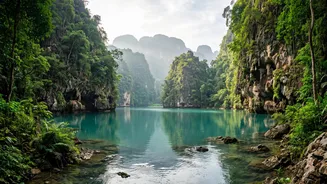
Travellers are actively seeking out secondary cities and 'darecation' spots that promise adventure without the crowds. Destinations in Eastern Europe like Slovenia, Asian countries like Georgia and Vietnam, and parts of Latin America are seeing a surge in interest. These places offer a compelling mix of dramatic landscapes, unique history, and affordability. The appeal lies in the sense of discovery—of visiting a place before it becomes a mainstream hotspot. It’s a move towards exploration over vacation, with activities like trekking in Patagonia or exploring the ancient sites of Turkey becoming the new bucket-list goals.
The Sustainability Factor
A growing awareness of the environmental impact of travel is also influencing choices. Many travellers are now more conscious of their carbon footprint and the effects of tourism on local ecosystems. This has led to an interest in 'regenerative travel', which aims to leave a place better than you found it. People are choosing destinations that prioritize conservation, like Costa Rica or Bhutan, or opting for slower travel methods like trains to minimize their impact. This mindset favours destinations that aren't built on high-volume, resource-intensive tourism, pushing many to reconsider the classic fly-and-flop beach holiday.