





The Age of Vacation Fatigue
It's a familiar feeling: you return from a much-awaited vacation feeling like you need another one just to recover. This is 'tourist burnout', a state of exhaustion caused by the pressure to see and do everything. Overcrowded destinations, rigid schedules,
and the constant rush from one landmark to another can turn a restful break into a stressful checklist. This fatigue is compounded by high workplace burnout rates in India, leading professionals to seek genuine escapes that offer a mental reset rather than just a change of scenery.
Enter the 'Slow-cation'
As an antidote, a new travel philosophy is taking hold: slow travel. Instead of cramming multiple cities into a week, travellers are choosing to stay in one place for longer, from a week to over a month. This trend is about depth over distance, favouring immersive experiences over fleeting sightseeing. The goal is no longer just to 'see' a place but to live in it, even temporarily. This shift is reflected in booking patterns, with a 36% year-on-year increase in single-base itineraries and a marked decline in multi-city tours. Accommodation data further supports this, showing a 26% annual rise in alternative lodgings like homestays and villas, which are ideal for extended stays.
The Rise of the 'Workation'
The rise of remote work has been a primary catalyst for this change. With an estimated 4.8 million Indians now working remotely full-time, the office is no longer a fixed location. This flexibility allows professionals, especially Gen Z and millennials, to blend their work and travel seamlessly. Known as 'bleisure' (business + leisure), this trend is booming, with 77% of Indian business travellers now extending work trips for personal time—the highest rate in the Asia-Pacific region. Companies are also adapting, with major firms like TCS and Wipro now having formal policies that support these extended 'workations'.
More Than Just a Holiday
Beyond logistics, the shift towards longer stays is driven by a desire for more authentic and restorative experiences. Constant digital connectivity has left people craving genuine disconnection and mental clarity. Slow travel allows for this, enabling travellers to engage with local communities, explore off-beat paths, and find a rhythm that isn't dictated by an app or a tight schedule. This approach also makes economic sense; longer rentals are often cheaper on a per-day basis, and since flights for work may already be covered, the incremental cost of a leisure extension is lower.
Where India Is Slowing Down
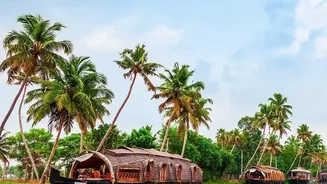
Destinations that support a slower pace of life and offer reliable digital infrastructure are becoming hubs for this new wave of travellers. Mountain towns in Himachal Pradesh like Manali and Himalayan destinations such as Rishikesh and Dharamshala are seeing a surge in interest. Coastal areas in Goa and Kerala, and culturally rich places like Pondicherry also remain popular choices for those looking to settle in for a few weeks. The key attractions are good connectivity, a range of accommodation options from homestays to villas, and a community of like-minded remote workers and slow travellers.
A New Chapter for Travel
The hospitality industry is responding swiftly. There's been a significant expansion in alternative accommodations, with listings for villas, apartments, and homestays growing far faster than traditional hotels. These properties are better suited for longer stays, offering kitchens, workspaces, and a more local living experience. This shift doesn't just benefit the traveller; it helps distribute tourist revenue to smaller towns and reduces the environmental and social strain on over-touristed hotspots.