



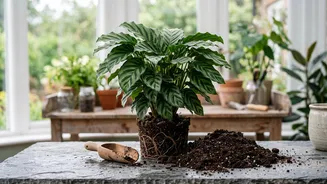
Signs Your Plant Needs a New Home
Before you get your hands dirty, it’s important to know if your plant actually needs repotting. The best time to repot is generally in the spring, when plants are in an active growth phase. Look for these tell-tale signs: roots are visibly growing through
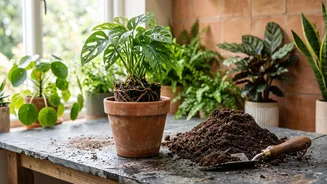
the drainage holes at the bottom of the pot, or they are forming a dense, tangled mass at the surface. Another key indicator is how quickly the soil dries out; if you find yourself watering much more frequently than you used to, it likely means the roots have filled the pot, leaving little soil to hold moisture. Slowed or stunted growth, such as new leaves that are smaller than older ones, can also signal that the plant is root-bound and out of space and nutrients. If you gently slide the plant out of its pot and see more roots than soil, it's definitely time for a new home.
Choosing the Right Pot and Soil
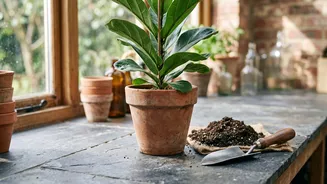
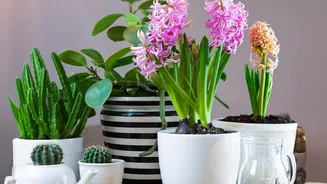
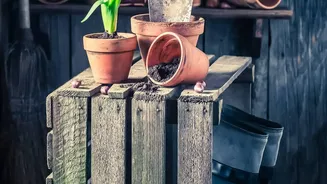
Selecting the right pot is crucial. A common mistake is choosing a container that is too large, which can lead to the soil staying wet for too long and causing root rot. A good rule of thumb is to select a new pot that is just one to two inches (or about 2-5 cm) larger in diameter than the current one. This provides enough space for new root growth without overwhelming the plant. Ensure the new pot has at least one drainage hole to allow excess water to escape. When it comes to the material, terracotta and ceramic pots are porous and help absorb excess water, which is great for plants prone to root rot like succulents. Plastic pots are lightweight and retain moisture well, making them suitable for plants that prefer to stay consistently moist. For soil, use a fresh, high-quality potting mix designed for indoor plants, as it will be sterile and provide the necessary nutrients. Never use garden soil, which is too dense and can contain pests.
The Step-by-Step Repotting Process
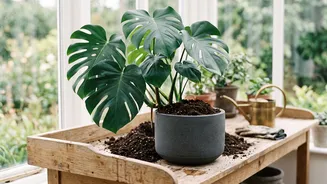
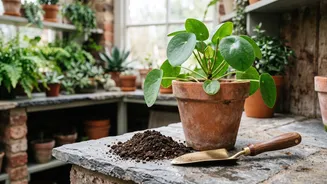
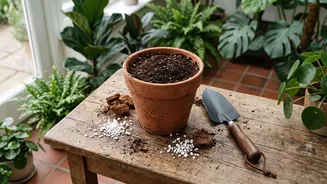
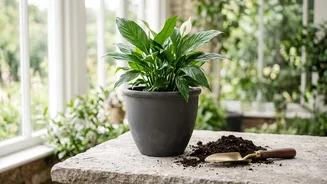
Once you have your new pot and soil, you’re ready to begin. It's helpful to water your plant a day or so before repotting to make it easier to remove from its current pot. 1. Remove the Plant: Turn the plant's pot on its side and gently tap the bottom and sides to loosen it. Carefully slide the plant out, supporting the base of the stems with your hand. If it’s stuck, don’t yank it; you may need to gently wiggle it free. 2. Inspect and Loosen the Roots: Once the plant is out, gently tease the roots apart with your fingers, especially if they are tightly wound in the shape of the old pot. You can even trim any circling, dead, or mushy roots with clean scissors. Don't worry about losing a few small roots in the process; the plant can handle it. 3. Prepare the New Pot: Place a small layer of fresh potting mix at the bottom of the new pot. This creates a base for the plant to sit on. 4. Position the Plant: Place the plant in the center of the new pot. The top of its root ball should sit about an inch below the rim of the pot to leave room for watering. 5. Add Fresh Soil: Begin filling in the space around the root ball with fresh potting mix. Gently press the soil down to eliminate large air pockets, but avoid packing it too tightly, as roots need air. Fill until the soil level is even with the top of the root ball.
Essential Aftercare for a Happy Plant
Repotting can be a bit of a shock to a plant, so proper aftercare is key to a speedy recovery. After repotting, give the plant a thorough watering until you see water run out of the drainage hole. This helps the new soil settle around the roots. After this initial watering, allow the soil to dry out slightly more than usual before watering again, as the plant adjusts to its new environment. Place the plant back in its usual spot with the appropriate lighting, but avoid exposing it to harsh, direct sunlight, which can add stress. Hold off on fertilizing for at least a month. Fresh potting soil contains enough nutrients to support the plant while it establishes its roots in the new pot. Once you see signs of new growth, you can resume your regular fertilizing schedule, perhaps starting with a half-strength solution.