




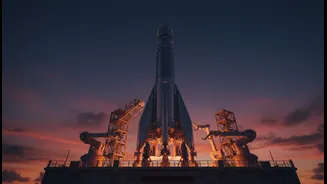




A New Era for Indian Spaceflight
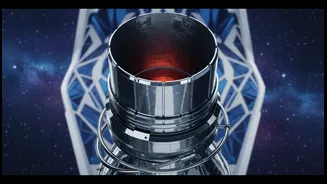
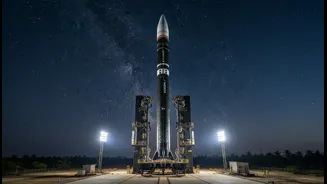
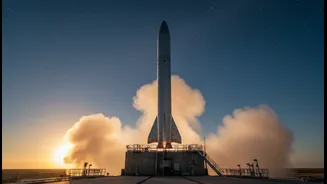
On July 18, 2026, homegrown startup Skyroot Aerospace is set to make history with the maiden flight of its Vikram-1 rocket, India's first-ever orbital launch attempt by a privately developed vehicle. Named 'Mission Aagaman', or 'Arrival', the launch from
Sriharikota signifies a pivotal moment, moving India's space capabilities beyond the realm of the state-run ISRO and into a new commercial era. The seven-storey-tall rocket is designed to carry small satellites up to 350 kg into low Earth orbit, catering to a burgeoning global market. This isn't just about one company's success; it represents the ambitions of a nation and the hard work of around 1,000 people and over 400 suppliers aiming to build a global space-launch service from India.
The Electronic Heart of the Rocket
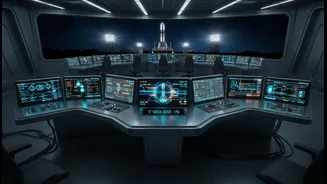
While the rocket's powerful engines provide the thrust, its 'brain' and 'nervous system' are the work of electronics engineers. For Vikram-1, this is a complex network of in-house developed avionics, sensors, and computers that guide the vehicle autonomously. Once the rocket lifts off, there is no human intervention; its onboard intelligence must manage everything from trajectory and stage separation to correcting for wind gusts in real-time. Specialists in electronics and communication engineering are crucial for designing these systems, which include the flight computer, telemetry systems that transmit data back to Earth, and the guidance, navigation, and control (GNC) algorithms that ensure the rocket reaches its precise orbital destination. Skyroot's use of modular avionics and 3D-printed components further highlights the demand for engineers skilled in cutting-edge electronics design and integration.
From University to the Launchpad
The rise of private space firms like Skyroot is creating an exciting new career path for engineering graduates. For decades, a career in space in India largely meant joining ISRO. While prestigious, this often involved a more structured, research-heavy environment. Today's startups offer a different proposition: a fast-paced, hands-on culture where young engineers can have a significant impact quickly. These companies are building lean, cross-functional teams where electronics, mechanical, and software engineers work together on tight deadlines. This environment is proving to be a powerful magnet for top talent, offering them the chance to work on everything from designing high-efficiency power converters and printed circuit boards (PCBs) to writing the software that controls the rocket's flight. The challenge, however, is a talent gap in niche areas, forcing companies to invest heavily in training recruits from allied industries like automotive and metallurgy.
Building a Self-Reliant Ecosystem
Skyroot's Vikram-1 is more than a vehicle; it's a catalyst for an entire ecosystem. Its success will not only validate India's private launch capabilities but also stimulate demand across a wide supply chain. This creates opportunities for specialists in materials science, advanced manufacturing, and software development. The government's space policy reforms and the establishment of IN-SPACe have been crucial, allowing startups to access ISRO's world-class facilities for testing and launch. This public-private partnership is essential for building a self-reliant (Aatmanirbhar) space industry. As companies like Skyroot scale up, they will generate thousands of high-skilled jobs, encouraging universities to develop specialized courses in aerospace, avionics, and robotics to meet the growing demand.