


The Backpacker’s Secret Weapon
Forget endlessly scrolling through mainstream booking portals that often list commercial hotels. The real gems are found through a more grassroots method: shared backpacker maps. These are essentially digital treasure maps, often created by travellers
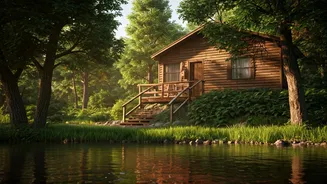
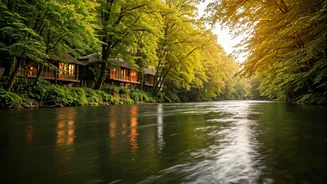
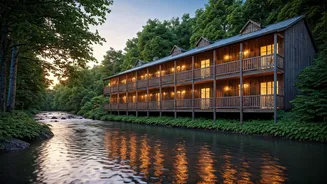
for travellers on platforms like Google My Maps. They are collaborative, user-generated guides filled with pins marking everything from a ₹500-a-night room with a river view in Rishikesh to a secluded beach shack in Goa that only locals know about. Unlike corporate listings, these maps are built on experience and word-of-mouth, offering a curated look at places that offer value and character over polished branding.
Where to Find These Digital Maps
These maps aren't typically advertised. Finding them is part of the adventure. Your first stop should be online travel communities. Subreddits like r/IndiaTravel or r/solotravel are goldmines. Use the search bar with terms like “Hampi map,” “Rishikesh guide,” or “budget stays map.” Travellers often share links to their personal Google My Maps collections. Facebook groups dedicated to backpacking in India or specific regions (e.g., “Backpacking the Himalayas”) are another excellent resource. Finally, don’t underestimate the power of asking. When you arrive at a hostel, ask fellow travellers or the front desk if they know of any shared maps for the area. This digital-meets-analogue approach often yields the best results.
Harnessing Google My Maps
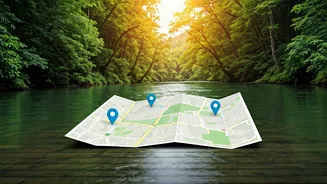
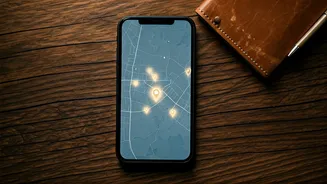
Google’s “My Maps” feature is the most common tool for this. It allows anyone to create custom maps with different layers for accommodation, food, attractions, and transport. When a traveller shares their map, you can open it in your own Google Maps app and see their pins overlaid on the standard map. To find them, you can try specific Google searches like "Google My Maps" + "Rishikesh budget stays". Once you find a promising map, save it to your own Google account. The best ones are layered, with icons distinguishing guesthouses from cafes, and often include short notes like “Great Wi-Fi, ask for a room on the second floor” or “Bargain hard, can get for ₹600.”
Go Offline with Apps Like Maps.me
In many riverside locations, from the Parvati Valley to the backwaters of Kerala, mobile connectivity can be unreliable. This is where offline map apps like Maps.me and Organic Maps become essential. Many backpackers create and share bookmark files (.kml or .kmz) for these apps. You can download the map for a region in advance, then import the bookmark file shared on a blog or forum. Suddenly, your offline map is populated with dozens of community-vetted spots. This not only helps you find your stay but also allows you to navigate to it without needing a single bar of signal.
How to Vet Your Find
A pin on a map is a great starting point, but always do a quick check before you commit. Information can become outdated. First, cross-reference the guesthouse's name on the standard Google Maps. Check the recent reviews and photos to see if it’s still operating and if the quality matches the description. If the map’s creator left a date, prioritise more recent maps. Second, if a phone number is listed, it’s worth a quick call to confirm availability and current pricing. This simple step can save you a long walk with a heavy backpack. Treat the shared map as a lead generator, not an infallible guide.