

1. Satellite Data Analysis for Every Sector
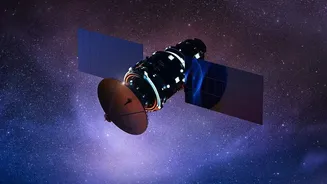
The most immediate and fastest-growing job market in the private space sector isn't in launching rockets; it's in interpreting the data sent back to Earth. Satellites orbiting our planet are collecting vast amounts of information every second. This data is a goldmine
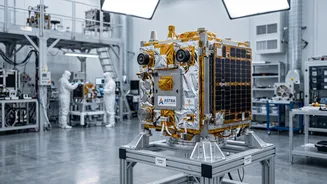
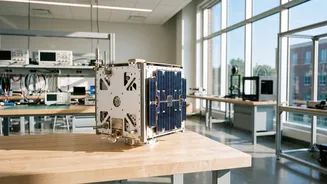
for industries like agriculture, insurance, urban planning, and climate change monitoring. Companies like Bengaluru-based SatSure and Pixxel are hiring data scientists, geospatial analysts, and machine learning engineers to turn raw satellite imagery into actionable business intelligence. These roles require skills in remote sensing, GIS, and data modelling to help farmers monitor crop health, enable insurance companies to assess damage after natural disasters, and assist city planners in managing infrastructure growth. This is a field where domain expertise in agriculture or finance can be just as valuable as a background in aerospace.
2. The Ground Support and Manufacturing Ecosystem
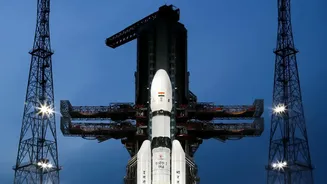
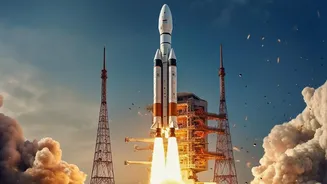
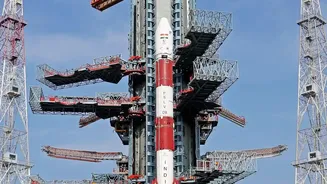
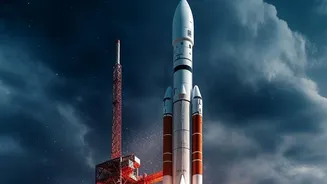
For every rocket that launches, a massive and complex web of ground support is required. The growth of private launch providers like Skyroot Aerospace and AgniKul Cosmos is creating a ripple effect, generating thousands of jobs in manufacturing and logistics on the ground. These companies rely on a network of ancillary firms to supply everything from rocket engine components and fuel tanks to specialised software and control systems. This creates opportunities for mechanical engineers, electricians, production managers, and supply chain experts. As India aims to increase its share of the global launch market, the need for skilled technicians and managers to build, test, and manage launch infrastructure will only intensify, creating a robust industrial base that extends far beyond the launchpad itself.
3. Space Law, Policy, and Insurance
As low-Earth orbit becomes more crowded with commercial satellites and space tourism inches closer to reality, a new and critical field is emerging: space law and policy. The commercialisation of space raises complex legal questions about satellite deployment rights, orbital debris liability, and international treaties. This has created a demand for lawyers, policy advisors, and insurance professionals who can navigate this new regulatory frontier. The Indian government's establishment of IN-SPACe as a regulatory body for private space activities highlights this trend. Companies need legal experts to secure launch authorisations and financial specialists to underwrite the high-stakes risks of space ventures, opening doors for professionals with backgrounds in law, finance, and public policy.
4. The Dawn of Space Tourism and Hospitality
While still in its nascent stages, space tourism is no longer science fiction. Globally, companies like Blue Origin and Virgin Galactic are pioneering suborbital flights, creating a blueprint for a future industry. This sector will require more than just pilots and aerospace engineers. It will need a full spectrum of hospitality and customer service professionals, including trainers, medical staff, and mission experience managers. As companies look to build commercial space stations, like the one being developed by Axiom Space, the demand will expand to include roles in habitat design, life support systems, and in-orbit logistics. While these jobs represent a longer-term horizon, the groundwork is being laid for a service-based economy in space that will need a diverse range of human-centric skills.
5. AI, Robotics, and In-Space Services
The future of space exploration and infrastructure relies heavily on automation. This is driving a surge in demand for artificial intelligence specialists and robotics engineers. These experts develop the autonomous systems needed for spacecraft navigation, robotic arms for satellite deployment and repair, and rovers for planetary exploration. Furthermore, an entire industry is emerging around in-space servicing and manufacturing. This includes missions to refuel satellites, remove orbital debris, or even manufacture components in microgravity. These tasks require advanced robotics and AI, creating highly specialised roles for software developers and robotics engineers who can design machines to perform delicate tasks in the harsh environment of space, a critical function as the orbital economy matures.