
Rethink Your Legumes
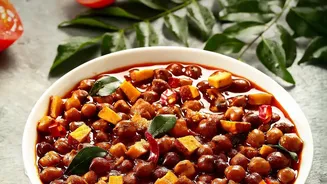
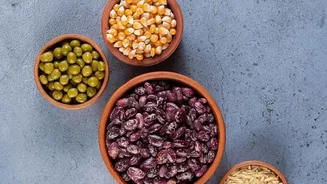
The world of dals is vast, but the universe of legumes is even bigger. While staples like toor and moong dal are fantastic, incorporating others can transform your meals. Chickpeas (chana), kidney beans (rajma), and black-eyed peas (lobia) are protein
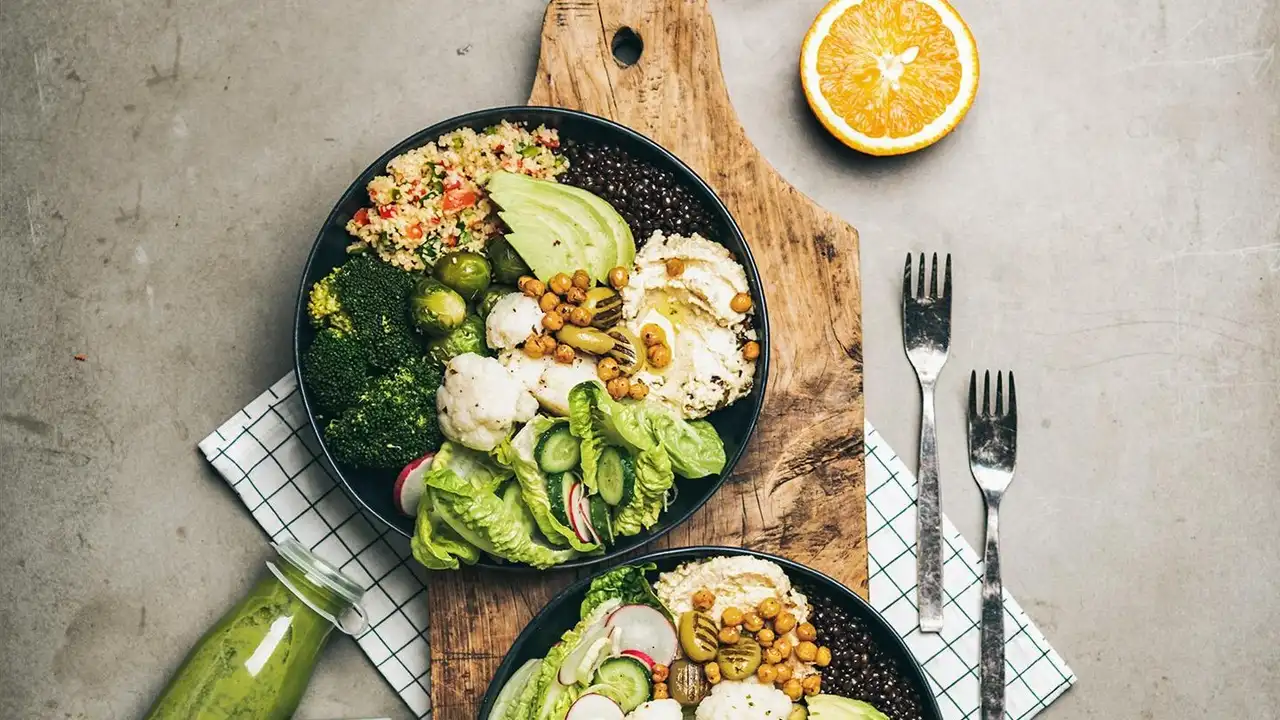
powerhouses that offer different textures and flavours. A cup of cooked chickpeas offers around 15 grams of protein. Think beyond the usual curries; use chickpeas in a quick salad with chopped onions and tomatoes, mash rajma with spices for a hearty sandwich filling, or add lobia to a mixed vegetable stir-fry for an easy protein boost. Sprouting legumes like moong also increases their protein content and makes them easier to digest.
Explore Protein-Packed Grains
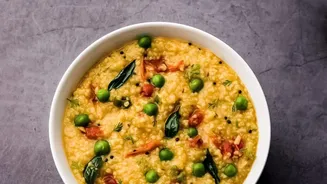
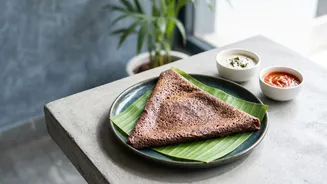
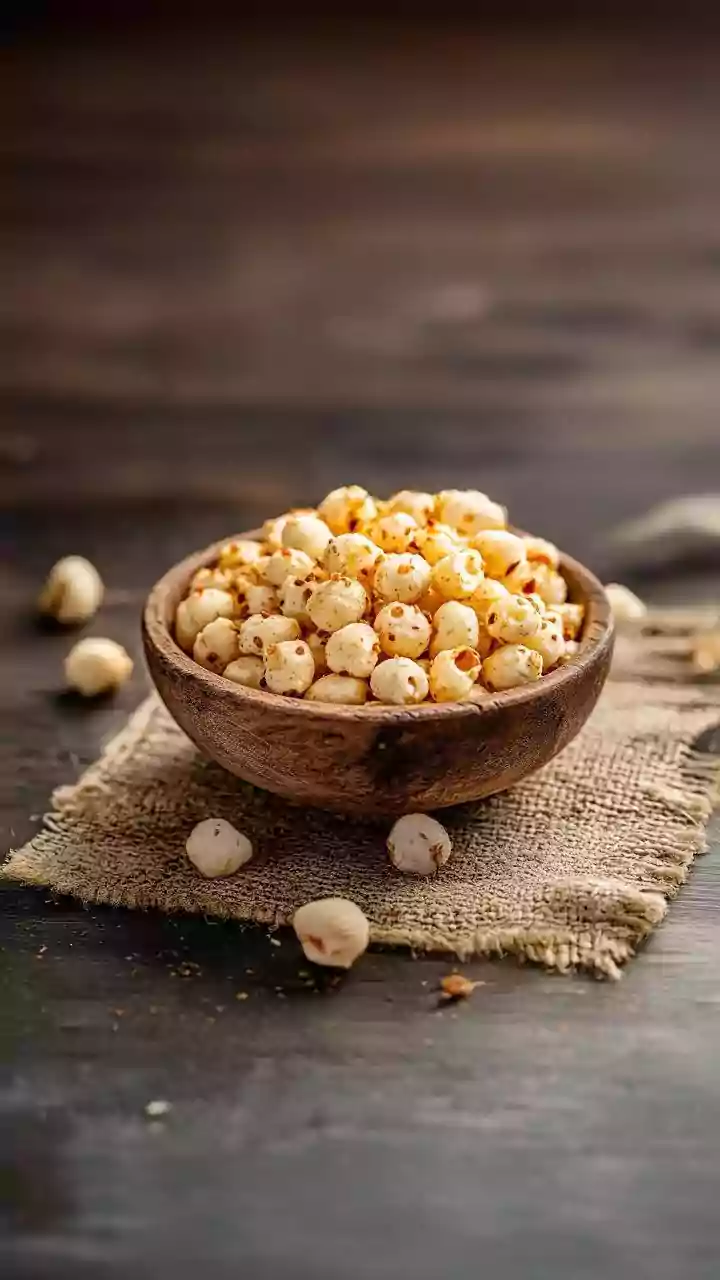
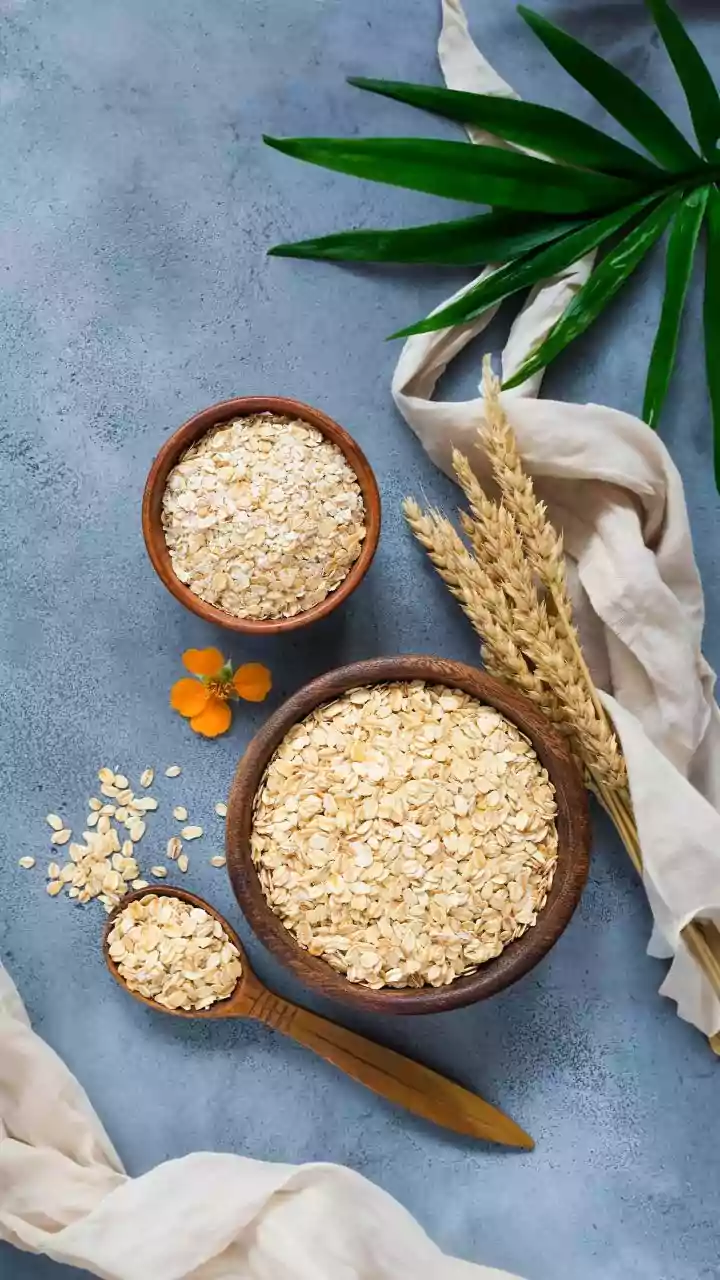
Rice and wheat are staples, but several other grains can significantly increase the protein content of your meals. Quinoa, often called a 'superfood', is a complete protein, meaning it contains all nine essential amino acids. One cooked cup provides about 8 grams of protein. Use it as a substitute for rice in pulao or khichdi. Amaranth (rajgira), another pseudo-cereal, is also rich in protein and can be used to make porridge, rotis, or even popped like popcorn for a crunchy snack. Buckwheat (kuttu) isn't just for fasting; its flour can be used for making flavourful parathas or cheelas.
Embrace Soy in All Its Forms
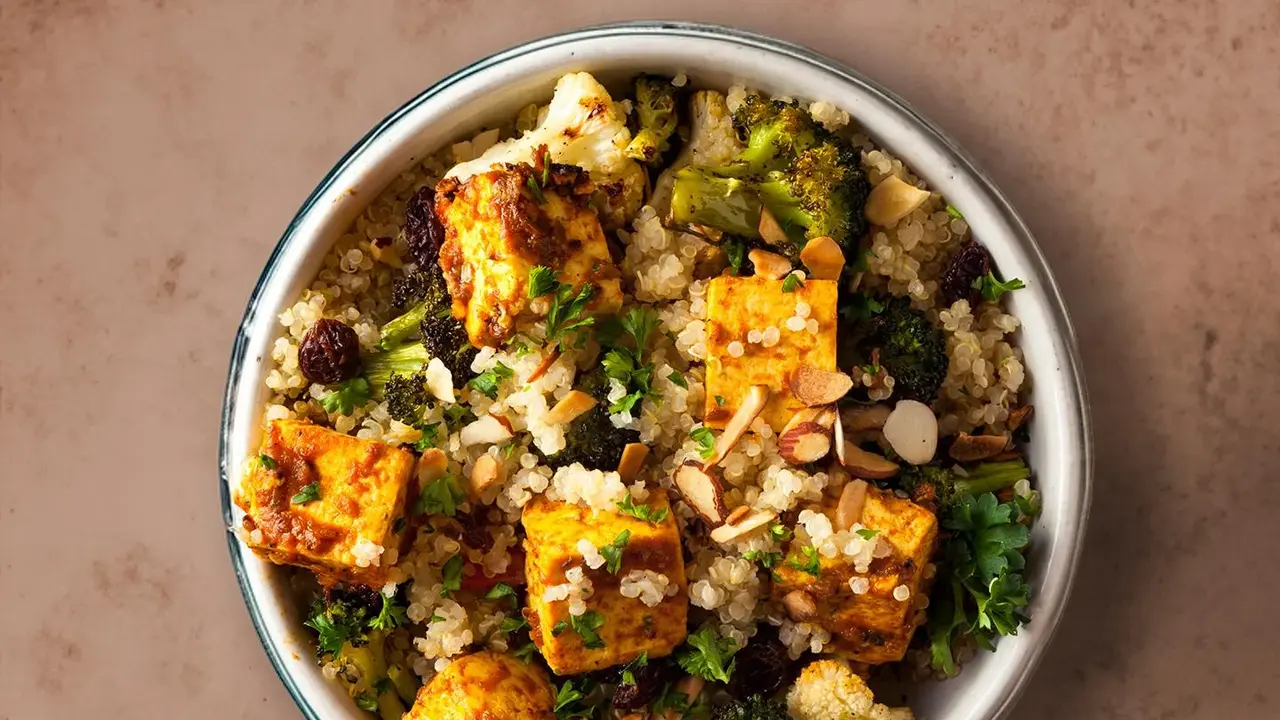
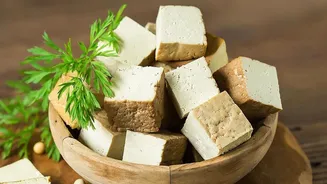
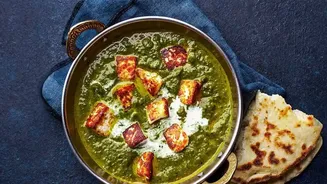
Soybeans are one of the most potent sources of plant-based protein. Tofu, made from soybean curds, is an incredibly versatile alternative to paneer, with about 8-10 grams of protein per 100g. It's excellent for making bhurji, adding to stir-fries, or marinating and grilling as tikkas. Soya chunks are another champion, packing an impressive 52g of protein per 100g (dry weight). They absorb flavours beautifully, making them perfect for curries and biryanis. For a different texture, try tempeh, a fermented soy product with about 19g of protein per 100g, which is also great for gut health due to fermentation.
Don’t Forget Nuts and Seeds
Nuts and seeds are a simple way to add protein, healthy fats, and extra crunch to any meal. Peanuts, for instance, offer around 25g of protein per 100g. A handful of almonds, walnuts, pumpkin seeds, or sunflower seeds can be a great mid-day snack or a garnish for salads and sabzis. You can also make powders from seeds like flax and sesame to mix into your roti dough or smoothie. A simple chutney made from peanuts or sesame seeds can serve as a protein-rich accompaniment to your meals. Even a tablespoon or two can make a nutritional difference.
The Power of Smart Pairing
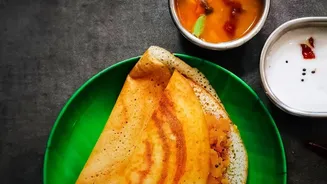
Many plant proteins are 'incomplete', meaning they lack one or more essential amino acids. However, Indian culinary tradition has an inbuilt solution: food combining. Grains like rice and wheat are typically low in the amino acid lysine but high in methionine. Legumes like dal and rajma are the opposite. When you eat them together—like in the classic rajma-chawal or dal-roti—you create a complete protein profile. Other classic combinations that work this magic include idli/dosa with sambar (rice and dal) and khichdi. This simple wisdom ensures you get high-quality protein from your vegetarian meals.