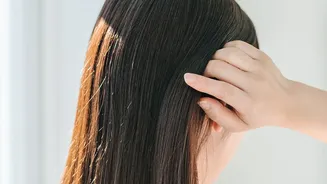



As winter arrives, so does the battle against dry, static-prone hair. The sudden brittleness isn't your imagination—it's a direct result of the cold. Understanding why this happens is the first step to preventing breakage and keeping hair healthy.
The Science of Winter Hair Damage
The
main culprit behind winter hair woes is a simple lack of moisture in the air. Cold air cannot hold as much water vapor as warm air, creating a low-humidity environment. This dry air acts like a sponge, pulling moisture directly from your hair strands. When your hair loses hydration, its protective outer layer, the cuticle, lifts and becomes rough. This leaves the hair shaft exposed and vulnerable, leading to that familiar brittle feeling, increased frizz, and a higher risk of split ends and breakage. The damage is often compounded by the drastic temperature shifts between the frigid outdoors and dry, centrally heated indoors, which can cause the hair fiber to expand and contract, weakening it further.
Your First Line of Defence: Protective Styling
This is where protective styling comes in as a crucial preventative measure. A protective hairstyle is any style that tucks away the ends of your hair, which are the oldest and most fragile parts of each strand. The primary goal is to minimize manipulation—like combing, brushing, and heat styling—and to shield your hair from environmental stressors like cold wind and friction from scarves and coats. By keeping your hair contained, these styles create a barrier against the dry winter air, helping to preserve precious moisture and reduce the daily wear and tear that leads to damage. This doesn't make your hair grow faster, but it is highly effective for length retention, as it prevents the breakage that keeps hair from getting longer.
Choosing Your Go-To Protective Style
The best protective style is one that is low-tension, comfortable, and suits your hair type. For many, braids are a timeless option. Styles like classic box braids, cornrows, or simpler two-strand twists keep hair neatly contained for weeks at a time. Buns, chignons, and other elegant updos are another excellent choice, effectively tucking ends away from the elements. These can be as simple as a low twisted bun for a sophisticated look or a classic French twist. For those with curly or coily hair, styles like flat twists and Bantu knots are fantastic for sealing in moisture while protecting the ends. The key is to ensure the style isn't too tight, which can cause stress on the scalp and lead to a different kind of damage known as traction alopecia.
Supporting Your Style with Good Habits
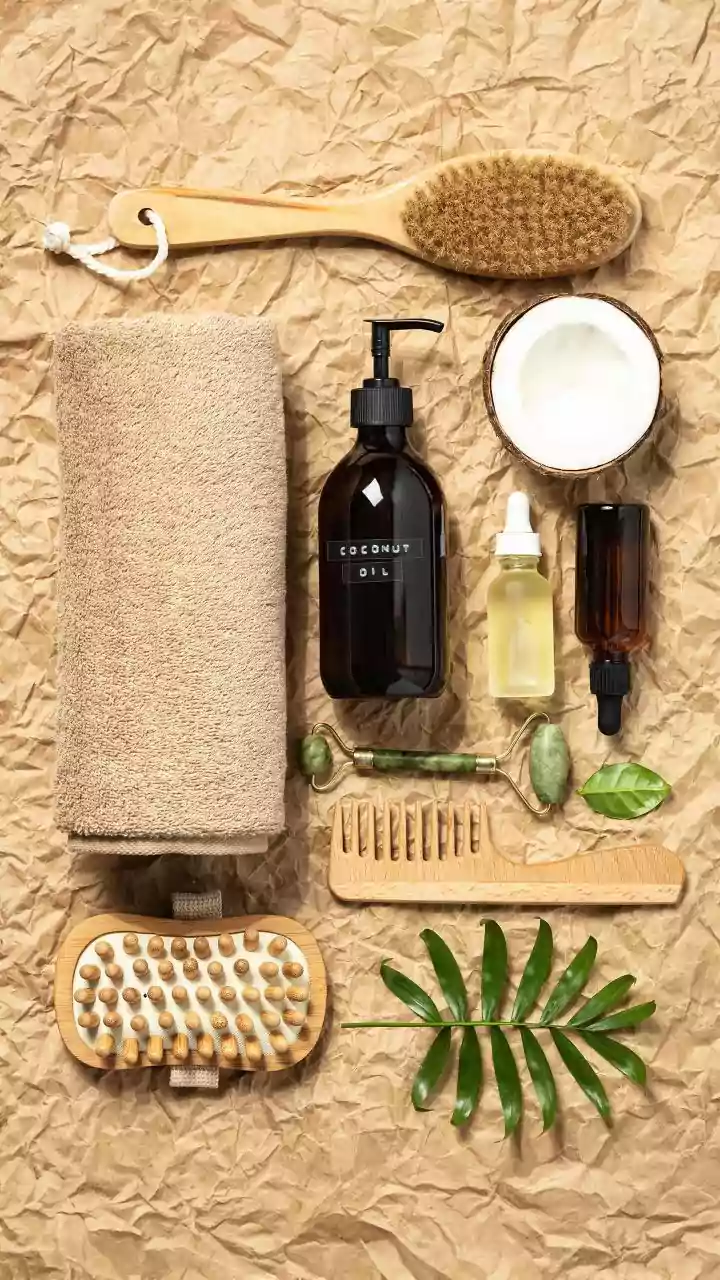
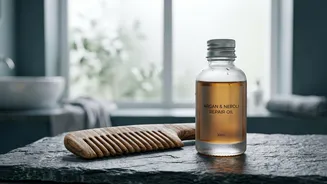
A protective style works best when supported by a healthy hair care routine. Before styling, always ensure your hair is clean and deeply moisturized. Trapping dirt or dryness inside a style will only worsen the problem. Complement your routine with practices that boost hydration. One of the most effective winter rituals, especially in India, is regular hair oiling. Applying a nourishing oil like coconut, almond, or castor oil to your scalp and strands helps to seal the cuticle, lock in moisture, reduce frizz, and protect against environmental damage. Massaging warm oil into the scalp can also improve blood circulation, delivering more nutrients to the hair follicles. Finally, never leave the house with wet hair in cold weather. The water can freeze within the hair shaft, causing it to expand and break.