







The Power of Pure Information
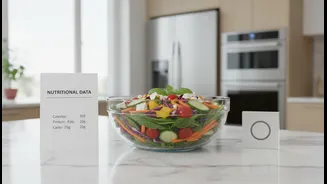
Since 2022, the Food Safety and Standards Authority of India (FSSAI) has mandated that restaurant chains with ten or more outlets, as well as e-commerce food platforms, must display calorie counts per serving and allergen information on their menus. This
is an undeniably positive development. For decades, a restaurant meal was a black box of nutritional information. Diners had to guess the caloric load of a creamy dal makhani or a cheesy pizza. Now, having that data upfront allows for conscious decision-making. Someone managing their health can make an informed choice between two dishes, or simply be aware of the energy they are consuming. This is about providing a tool, not a verdict. It respects the diner's autonomy, giving them the data to use as they see fit, whether for health management, athletic training, or simple curiosity. This transparency can also nudge restaurants to offer healthier options or reformulate existing recipes, knowing customers are paying attention.
The Trouble with 'Scoring' Your Meal
The problem begins when labels move from informing to judging. Systems like 'traffic light' labels (red for high, green for low in fat, sugar, or salt) or numerical health scores seem simple, but they are reductive. Nutrition is far too complex to be boiled down to a single colour or number. A dish high in fats could be packed with healthy, unsaturated fats from nuts and seeds, yet a 'red' label would lump it in with items full of trans fats. A glass of fresh fruit juice and a fizzy soda might both get a red light for sugar, ignoring the vitamins and fibre in the former. This oversimplification can create a sense of guilt or anxiety around eating out, turning what should be a joyful experience into a stressful test. It fosters a 'good food' versus 'bad food' mentality, which is antithetical to a healthy, balanced relationship with eating. True wellness is about moderation, variety, and context—not a single meal's report card.
An Ill Fit for Indian Cuisine
This scoring model is particularly clumsy when applied to the diversity and complexity of Indian food. How would one assign a simple score to a thali, with its intricate balance of dal, sabzi, roti, rice, and curd? The nutritional value is in the combination. A single curry can contain dozens of ingredients, with spices that have their own health benefits, cooked in a way that varies from one kitchen to another. The fat in a coconut-based curry from Kerala is different from the ghee used in a Punjabi dish. Standardising and then 'scoring' these dishes is not only practically difficult but culturally insensitive. It risks flattening our rich culinary heritage into a set of simplistic, often Western-centric, nutritional metrics that miss the point of how these foods are traditionally consumed as part of a balanced meal.
Trust the Diner to Decide
The core purpose of menu labelling should be to empower, not to prescribe. Providing clear, factual information—calories, major allergens, serving size—gives consumers the power to make choices that align with their personal goals and values. A person celebrating a special occasion might consciously decide to ignore the calorie count, and that is their right. Another person might use it to choose a lighter appetiser. Both are valid choices enabled by the same piece of information. Prescriptive scores, on the other hand, infantilise the diner. They imply that people cannot be trusted to understand nuance and must be steered by a simplistic, top-down judgment. This approach undermines nutritional literacy by discouraging a deeper understanding of what makes a diet truly healthy, which is always about the bigger picture, not a single plate of food. Let's provide the tools, not the grade.