




More Than Just Hydration
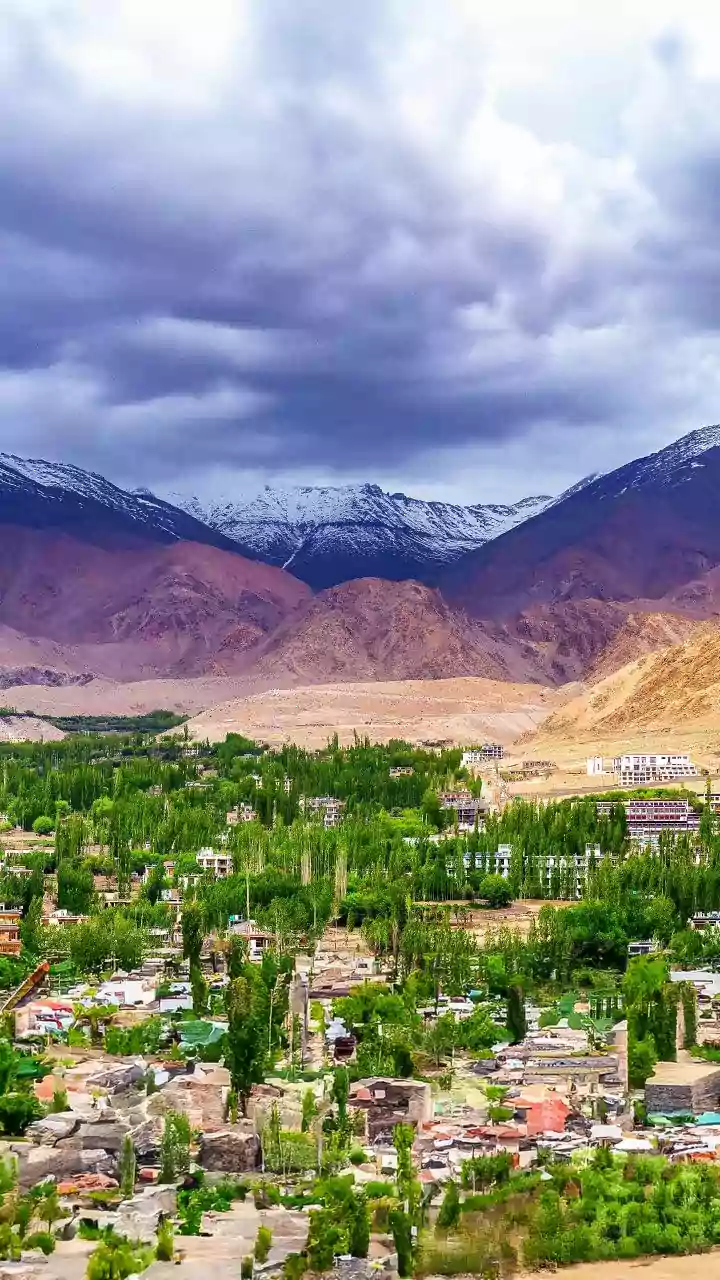
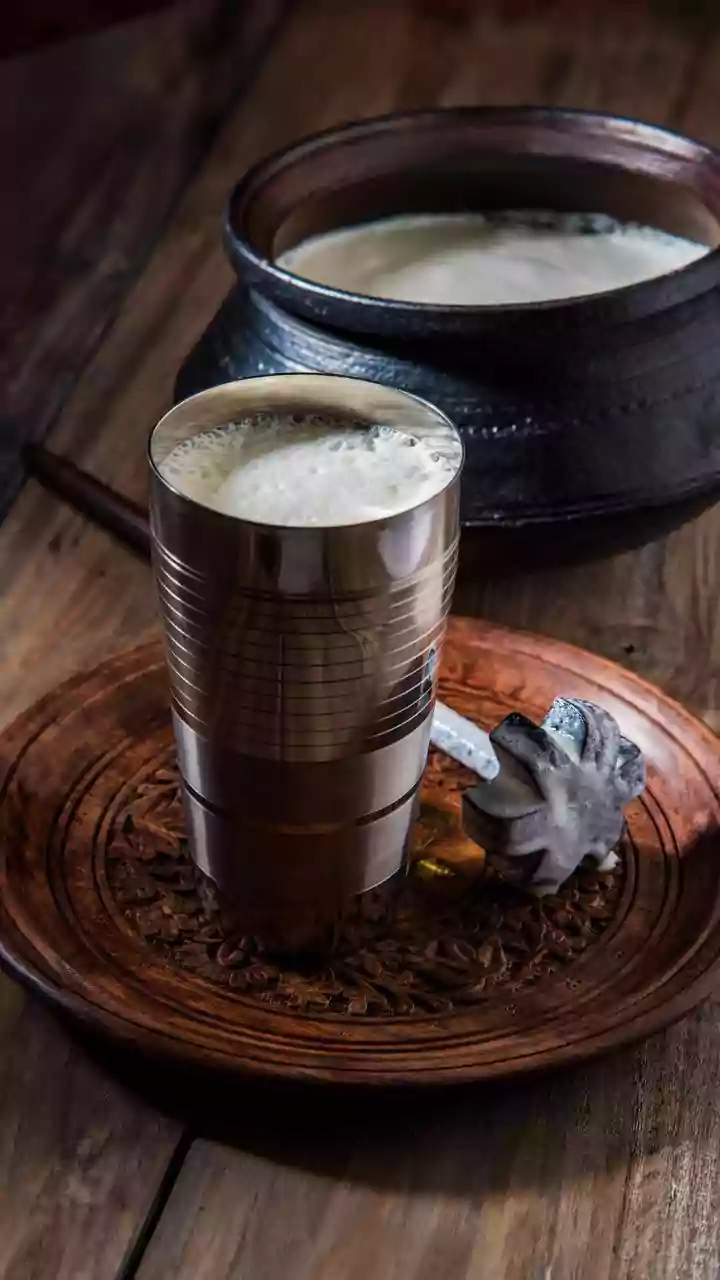
In the vast, breathtaking landscapes of Ladakh, life is shaped by the rhythm of the seasons and the wisdom of tradition. Here, a cup of tea is not a casual affair. While the world-famous 'gur gur chai', or butter tea, provides essential calories and warmth,
there is another, more subtle world of Ladakhi beverages: wild herbal infusions. These are not your typical milky chai. Brewed from plants foraged from the high-altitude slopes, these drinks are served clear, pure, and intentionally without dairy. This practice isn't an accident or a matter of scarcity; it's a deliberate choice rooted in a deep understanding of flavour, aroma, and the very essence of the plants themselves. It’s a tradition that prioritizes the voice of the herb over the comforting cloak of milk.
Preserving the Purity of Aroma
The primary reason for avoiding dairy is sensory. The wild herbs of Ladakh, which have to survive extreme conditions, develop intensely concentrated aromatic compounds. These plants, like wild mint, stinging nettle ('zatsut'), and wild caraway ('kosnyot'), have delicate, complex scent profiles that are easily overwhelmed. Milk, with its fats and proteins (specifically casein), has a powerful ability to bind with volatile aroma molecules. When milk is added to a delicate herbal brew, it essentially 'mutes' the very qualities that make the infusion special. Instead of experiencing the wild, floral, or earthy notes of a specific herb, the drinker gets a generic, creamy flavour. The Ladakhi tradition recognizes that to truly appreciate the gift of the plant, you must allow its natural aroma to be the star, unobstructed by the heavy presence of dairy.
A Walk Through Ladakh's Herbal Pantry
The variety of plants used is a testament to the region's biodiversity. Common infusions are made from a host of wild-foraged plants, each with a unique purpose and flavour. Stinging nettle ('zatsot' or 'zatsut') offers an earthy, green taste and is used in soups and teas. Wild rose petals ('siyah') create a fragrant, calming brew. Sea buckthorn, the 'superfruit of Ladakh', yields a tart, vibrant juice packed with Vitamin C. Other herbs like Himalayan thyme, known for its medicinal and culinary uses, are also popular. These plants are not just ingredients; they are survivors. Their struggle in the harsh climate creates a potency that local tradition seeks to preserve in the cup, a potency that would be lost under a layer of milk.
The Wisdom of Sowa-Rigpa
The practice of avoiding dairy in herbal preparations is also deeply connected to Sowa-Rigpa, the ancient Himalayan system of medicine that governs much of Ladakhi life. In Sowa-Rigpa, diet is the first line of medicine, and foods are chosen to balance the body's three humours: Lung (wind), Tripa (bile), and Beken (phlegm). Herbs are used to restore equilibrium, and their effectiveness is believed to be altered by what they are mixed with. While some Ayurvedic traditions use milk as a vehicle for certain tonic herbs, in many contexts, especially those concerning phlegm or digestive clarity, dairy is avoided as it is seen as a 'heavy' food. From a Sowa-Rigpa perspective, adding milk can interfere with the specific energetic and therapeutic actions of an herb, effectively changing its medicinal purpose. Keeping the infusion pure ensures the herb's properties are delivered cleanly.
A Tradition for Modern Times
Today, as travellers and wellness seekers look for authentic and mindful experiences, these traditional Ladakhi herbal infusions are finding a new audience. Local entrepreneurs are promoting these dairy-free beverages, celebrating their unique flavours and health benefits. These teas offer a direct connection to the Ladakhi landscape and its ancient traditions. They stand in quiet contrast to the homogenized, sugar-laden beverage culture found elsewhere. Each sip is an invitation to slow down and appreciate the subtle, authentic flavours that can only come from wild plants brewed with intention, respecting the wisdom that knows exactly what to add, and more importantly, what to leave out.