Why Light Is Plant Food
Before we talk about which plant goes where, let's get one simple thing clear: light is energy for plants. It fuels a process called photosynthesis, where plants use light, water, and carbon dioxide to create their own food in the form of sugars. Without
enough light, a plant is essentially in a slow starvation mode; it can't produce the energy it needs to grow new leaves, stay vibrant, or fight off pests. This is why you might hear people with beautiful indoor jungles say the secret isn't a 'green thumb', but just having the right windows. While some plants are incredibly adaptable, no plant can truly thrive long-term without any light at all.
How to 'Read' the Light in Your Home
Plant labels often use terms like 'bright indirect light' or 'low light', which can be confusing. What do they actually mean in a real home? A simple way to check is the 'shadow test'. Place a piece of white paper where you want to put a plant. Hold your hand about a foot above the paper around midday. If you see a sharp, clearly defined shadow, that’s bright, direct light. If the shadow is soft and fuzzy, that’s bright indirect light—the sweet spot for most tropical houseplants. If there's only a faint shadow or none at all, you're in a low-light area. As a general rule, south and west-facing windows in India get the most intense light, while north and east-facing windows offer gentler, indirect light.
For Your Dimmer Corners and Offices
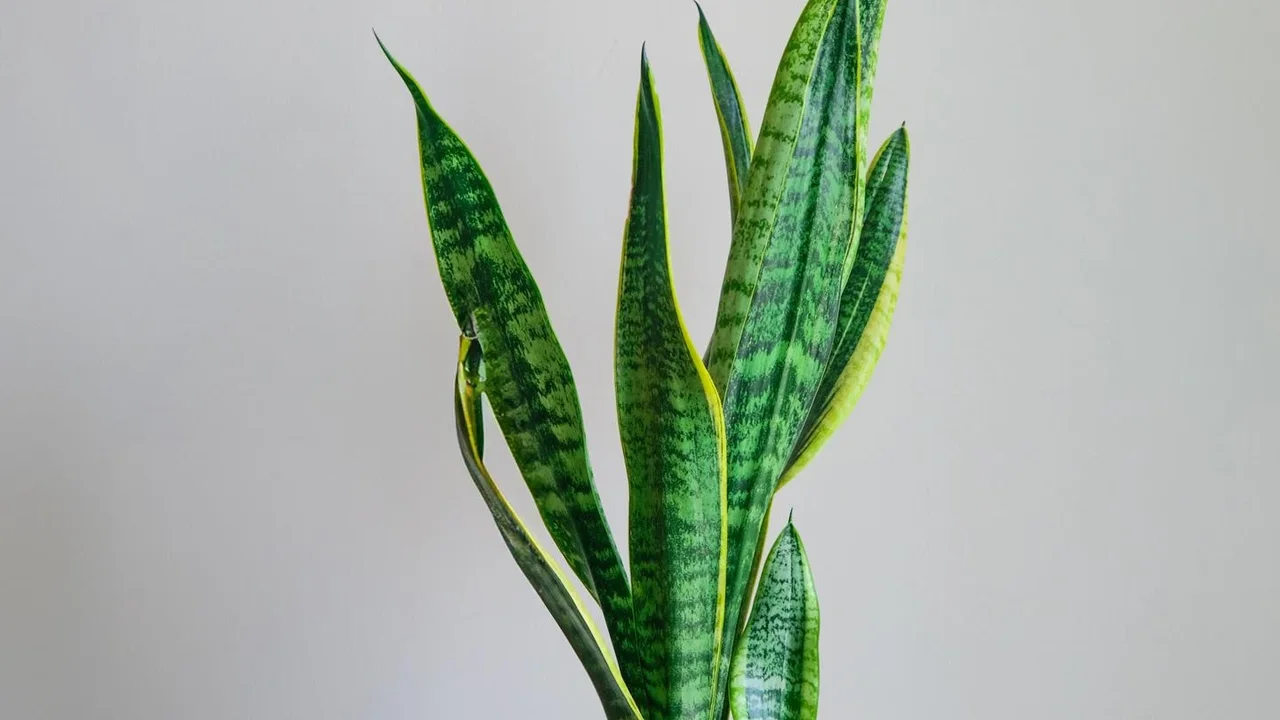
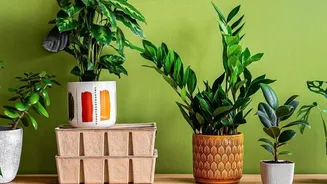
Don't despair if your apartment doesn't get flooded with sun. Many of the most popular and hardy indoor plants are perfect for low-light conditions because they evolved under dense forest canopies. The Snake Plant is almost indestructible, tolerating neglect and purifying the air. The ZZ Plant, with its glossy, dark leaves, is another excellent choice that is very forgiving if you forget to water it. And of course, the classic Money Plant (Pothos) is a staple in Indian homes for a reason; it's incredibly versatile and adapts well to lower light, trailing beautifully from a shelf. These plants are perfect for bedrooms, hallways, or office desks away from a window.
For Those Bright, Sunnier Spots
If you have a spot near a window that gets plenty of light (but not scorching direct sun), your options expand. 'Bright, indirect light' is the ideal condition for a huge variety of houseplants. The popular Spider Plant, with its arching, striped leaves, thrives here. Peace Lilies, known for their elegant white blooms, also do well and have the added benefit of visibly drooping when they need water—a great signal for beginners. If you want a larger statement plant, a Rubber Plant with its bold, dark leaves, or an Areca Palm, which brings a tropical feel, are fantastic choices for these well-lit areas.
What the Leaves Are Telling You
Your plant will give you clear signs if its lighting is wrong. If a plant isn't getting enough light, you might notice its stems becoming long and 'leggy' as they stretch towards the nearest window. New leaves might be smaller than older ones, or the vibrant colours on a variegated plant might start to fade to solid green. On the other hand, too much direct light can be just as harmful. Signs of this include scorched, brown, or crispy spots on the leaves, a faded or 'bleached' appearance, and wilting even when the soil is moist. Paying attention to these signals allows you to make adjustments before it's too late.