


Why Your Post-Workout Meal Matters
Intense exercise creates tiny tears in your muscle tissues and depletes your energy stores, known as glycogen. A well-balanced post-workout meal is crucial for recovery. It should primarily provide two key macronutrients: protein and carbohydrates. Protein,
made up of amino acids, is essential for repairing and rebuilding muscle fibres, making them stronger. Carbohydrates are needed to replenish the glycogen that your muscles used for fuel, restoring your energy levels for the day ahead. Consuming these nutrients within the 'anabolic window'—roughly 30 minutes to two hours after your workout—maximizes their effectiveness.
The Power Duo: Sattu and Legumes
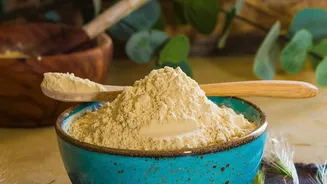
Sattu, a flour made from roasted Bengal gram, is a traditional Indian superfood that is finally getting its due in the modern fitness world. Often called the 'poor man's protein', it is a fantastic source of plant-based protein, providing around 20-25 grams per 100g serving. It also contains complex carbohydrates for sustained energy release, fibre for digestive health, and essential minerals like iron and magnesium that aid in recovery. Legumes, such as chickpeas (chhole), lentils (dal), and beans (rajma), are the perfect partner for sattu. They offer an additional dose of protein and are packed with fibre and complex carbohydrates, which help to restore energy levels steadily without causing blood sugar spikes. Together, they form a complete and affordable recovery meal.
Step 1: The Sattu and Curd Base
The foundation of this bowl is a creamy, savoury base that also acts as a dressing. Instead of just sprinkling dry sattu powder, you will create a slurry that evenly coats all the ingredients. In a bowl, take about two to three tablespoons of sattu. To this, add half a cup of plain curd (dahi). Curd not only adds to the protein content but also provides probiotics for gut health and gives the base a cooling, tangy flavour. Whisk them together with a splash of water until you get a smooth, pourable consistency, similar to a thick raita. Season this base with a pinch of black salt (kala namak) and some roasted cumin powder for that quintessential Indian flavour.
Step 2: Layering the Legumes and Veggies
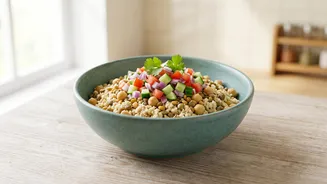
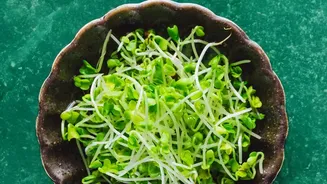
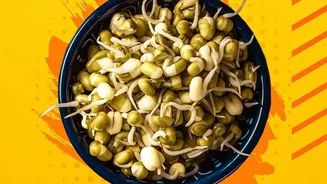
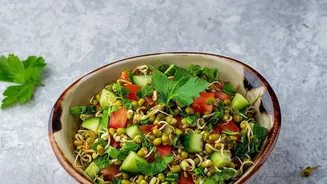
Now it's time to add the bulk of your bowl. The choice of legumes is versatile, so you can use whatever you have on hand. A cup of boiled chickpeas, black beans (rajma), or even sprouted moong dal works perfectly. These should be cooked and ready to use. Simply add them directly into your bowl. Next, add a generous helping of chopped fresh vegetables for crunch, vitamins, and minerals. Finely diced onion, juicy tomatoes, and crisp cucumber are excellent choices. They add texture and freshness, making the bowl more satisfying and nutritionally complete.
Step 3: Flavour Boosters and Assembly
To bring all the elements together, pour the prepared sattu-curd dressing over the legumes and vegetables. Mix everything thoroughly so that every bite is coated in the creamy, flavourful base. The final step is to elevate the taste with some fresh herbs and a zesty finish. A handful of chopped fresh coriander or mint leaves will add a burst of freshness. A generous squeeze of lemon or lime juice cuts through the richness and brightens all the flavours. For an extra kick, you can sprinkle a little chaat masala on top. This not only enhances the taste but also aids in digestion.
Putting It All Together: A Sample Bowl
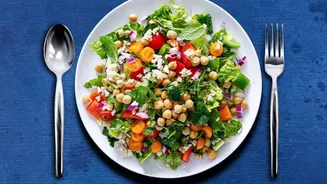
Here is a simple, quick recipe to get you started: 1. The Base: In a bowl, whisk 3 tbsp of sattu with ½ cup of curd, a pinch of black salt, and roasted cumin powder. Add water to reach a dressing-like consistency. 2. The Core: Add 1 cup of boiled chickpeas and ½ cup of mixed chopped onion, tomato, and cucumber to the bowl. 3. Combine: Pour the sattu-curd dressing over the chickpeas and veggies. Mix well. 4. Garnish: Top with fresh chopped coriander and a squeeze of lime juice. For extra protein, you can even add a small portion of crumbled paneer.