



The Allure of the Statement Sofa
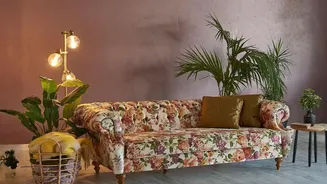
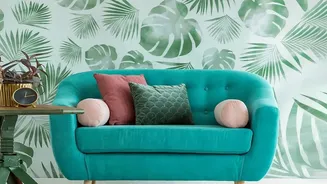
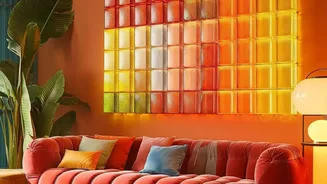
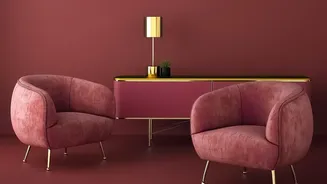
It’s impossible to ignore the biggest story in living rooms this year. Sofas have shed their quiet, neutral skins and are stepping into the spotlight. The 2026 trend is all about personality, with couches becoming the undisputed focal point of a room.
We’re seeing a surge in vintage-inspired designs, deep-seated modular units, and sofas with dramatic, sculptural shapes that look more like art than furniture. Fabrics are equally expressive, moving beyond basic beige to embrace tactile materials like bouclé, performance velvets, and rich, patterned textiles. Colours are warm and inviting, with earth tones, deep plums, and other saturated hues taking centre stage. This trend is a joyful rebellion against minimalist fatigue, encouraging homeowners to choose a sofa that truly reflects their style and creates a space built for comfort and conversation.
What Is 'Room Scale' Anyway?
Before you commit to a three-metre-long velvet dream, it’s vital to understand the concept of scale. In interior design, scale refers to how the size of an object relates to the size of the room it’s in. It’s different from proportion, which is about how objects in a room relate to each other. Getting the scale right is what makes a room feel balanced and harmonious. An oversized sofa can make a small living room feel cramped and unwelcoming, while a tiny loveseat can feel lost and insignificant in a large, open-plan space. The goal is to choose furniture that feels like it belongs in the room, creating a sense of ease and rightness. It’s the invisible principle that separates a professionally designed room from one that just feels slightly ‘off’.
Your Pre-Shopping Measurement Guide
Accurate measurements are the foundation of good design and will save you from costly mistakes. Start by measuring the wall where the sofa will likely go. Then, measure the room’s total length and width. Don't forget the ceiling height; a room with high ceilings can often handle larger, taller furniture better than one with a lower ceiling. Most importantly, measure every single entry point the sofa must pass through. This includes all doorways, stairwells, hallways, and lifts. Note their width and height, and be mindful of any tight turns. There is no greater design tragedy than discovering your perfect sofa can’t physically get into your home. A quick sketch of your floor plan, even a simple one on graph paper, can be incredibly helpful for visualising the space.
The Tape Trick for a Perfect Fit
Once you have the dimensions of a sofa you’re considering, it’s time to bring those numbers to life. One of the most effective tricks used by designers is to create a physical template of the sofa on your floor. You can do this by using painter’s tape to outline the sofa’s exact length and depth. If the sofa has a high back, you can even build up a rough outline using cardboard boxes to simulate its height and visual weight. Live with this outline for a day or two. Walk around it. Does it block a major traffic path? Does it feel overwhelming? This simple step allows you to experience the sofa’s footprint in your actual space before you make a purchase, ensuring there are no surprises on delivery day.
Balancing the Rest of the Room
A bold sofa is a powerful statement, but it doesn’t exist in a vacuum. The principle of scale applies to everything else in the room. Once your main piece is chosen, every other element—from the coffee table and side chairs to the rug and lighting—should be in proportion to it. A massive sectional, for example, will dwarf a tiny coffee table. The key is to create a visual conversation between all the pieces. If you have a large sofa, you'll need a rug that’s big enough for at least the front legs of the sofa to sit on. Your side tables should be a similar height to the sofa’s arms. By considering the scale of the entire room, you ensure your bold new sofa becomes the anchor of a cohesive, well-designed space, rather than a beautiful but isolated object.