







More Than Just a Feeling
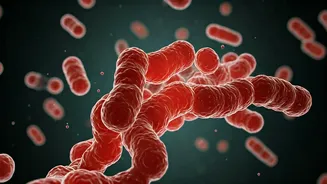
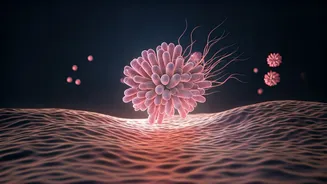
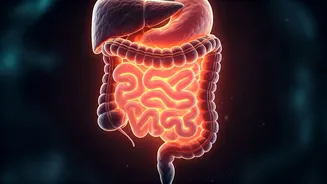
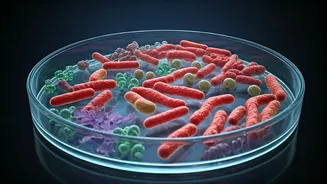
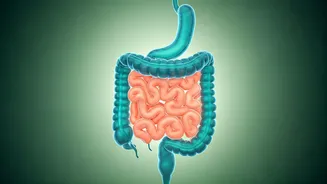
For decades, when we thought about our gut, we mostly thought about digestion. Is it working smoothly? Am I bloated? But in recent years, scientists have unlocked a new understanding of this complex system. They’ve revealed that the gut is home to trillions
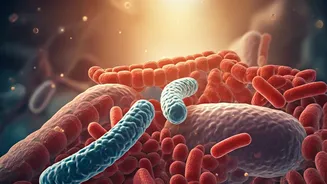
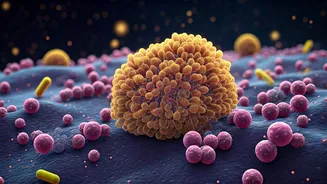
of microorganisms—bacteria, fungi, and viruses—collectively known as the gut microbiome. This internal ecosystem is so crucial that it’s often called our "second genome." It doesn't just process the food we eat; it plays a vital role in our overall health, influencing everything from our mood to our immune system. This paradigm shift is why the health conversation has moved from a narrow focus on diet and exercise to a more holistic view where the gut is a central player.
Your Gut Is Your Second Brain
Have you ever had a "gut feeling" or felt "butterflies" in your stomach? That's not just a metaphor; it's the gut-brain axis in action. This is a complex, two-way communication network connecting your gastrointestinal tract and your brain. The gut produces over 90% of the body's serotonin, a key neurotransmitter that regulates mood, happiness, and anxiety. When your gut microbiome is out of balance (a state called dysbiosis), it can affect this communication. Research has linked an unhealthy gut to issues like anxiety, depression, and even cognitive function. While it's not a simple cause-and-effect relationship, the evidence is clear: a happy gut contributes to a healthier mind. This connection is a major reason why mental health strategies are increasingly incorporating diet and gut health.
Your Body's First Line of Defence
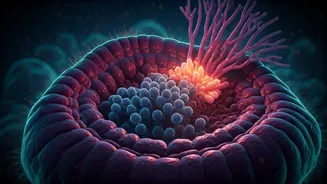
Approximately 70% of your immune system is located in your gut. The intestinal lining acts as a critical barrier, deciding what gets absorbed into the bloodstream and what gets blocked. The healthy bacteria in your microbiome help "train" your immune cells to differentiate between friendly compounds and harmful invaders. When this bacterial community is diverse and robust, your immune system functions more effectively. An imbalanced microbiome, however, can lead to a weaker immune response, making you more susceptible to infections. It's also linked to chronic inflammation, which is a root cause of many modern diseases, including autoimmune conditions, heart disease, and type 2 diabetes.
How to Nurture Your Microbiome
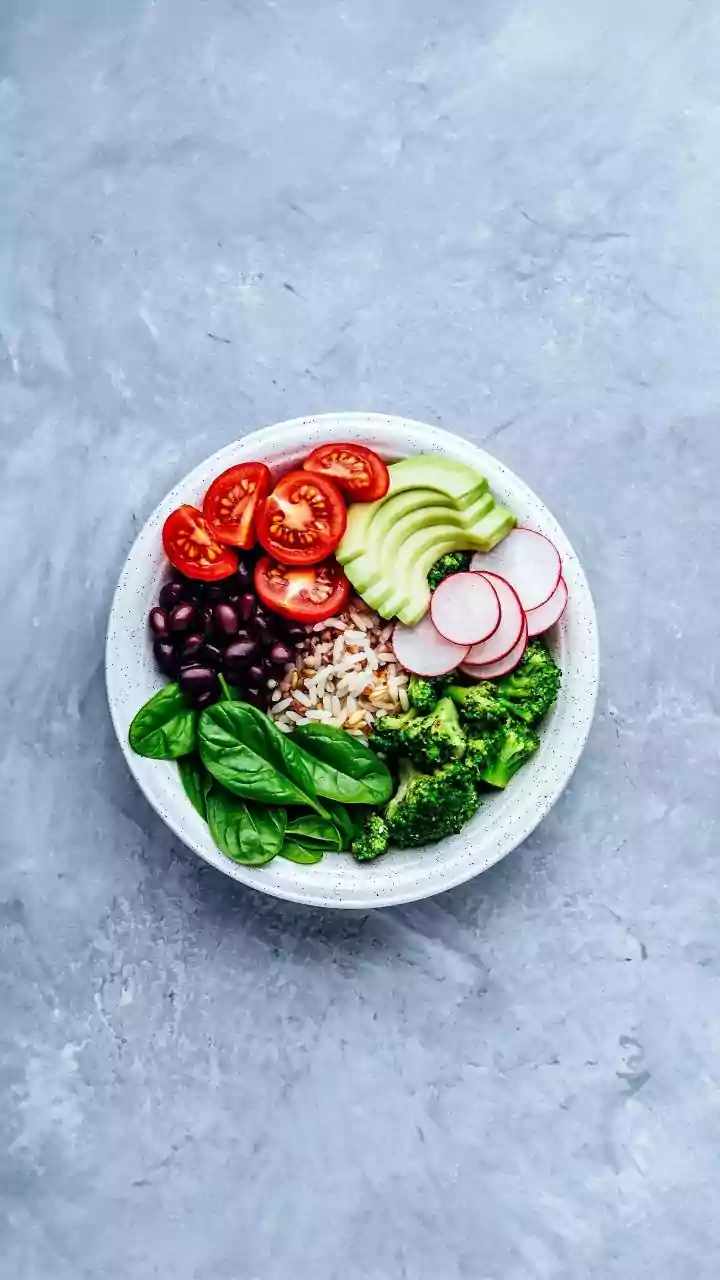
Improving your gut health doesn't require a radical overhaul or expensive supplements. It starts with simple, consistent habits. 1. **Eat a Diverse, Fibre-Rich Diet:** Your gut microbes thrive on fibre. Aim for a wide variety of fruits, vegetables, whole grains, and legumes. The more diverse your diet, the more diverse your microbiome. 2. **Incorporate Fermented Foods:** Foods like dahi (yoghurt), kimchi, kefir, and kombucha are natural sources of probiotics—live beneficial bacteria that can help populate your gut. 3. **Limit Processed Foods and Sugar:** A diet high in processed foods, artificial sweeteners, and sugar can feed the "bad" bacteria, leading to an imbalance in your gut. 4. **Manage Stress and Prioritise Sleep:** Chronic stress and poor sleep can negatively impact your gut-brain axis and harm your microbiome. Practices like meditation, deep breathing, and aiming for 7-8 hours of sleep can make a significant difference.
A Word of Caution
As with any wellness trend, the conversation around gut health is filled with marketing hype. Countless products promise to "heal your gut" overnight. It's important to be a discerning consumer. While probiotics can be beneficial for some, they are not a magic bullet. The most effective approach is a food-first one. Many of the exotic "superfoods" and expensive supplements are no more effective than eating a balanced, whole-foods diet. Be wary of claims that a single product can cure complex conditions. The science is still evolving, and what works for one person may not work for another. The goal is not a perfect gut, but a balanced one, supported by an overall healthy lifestyle.