





The Rise of 'Pinkwashing' and 'Greenwashing'
In the world of marketing, 'pinkwashing' refers to the practice of using breast cancer awareness symbolism, like the iconic pink ribbon, to promote products, sometimes even those containing ingredients linked to health concerns. [7, 16] It's a strategy
that aims to boost a company's image and sales by associating with a good cause, but often lacks genuine commitment or, worse, creates a direct contradiction. [6, 12] A similar tactic is 'greenwashing', where brands market themselves as environmentally friendly without their business practices actually supporting that claim. [12, 17] These strategies prey on consumer goodwill. A brand wraps itself in the flag of a social cause to win favour, but the support is often just a thin veneer, designed to distract from a lack of genuine action or to cover up other issues. [13, 17]
Indian Consumers Demand Transparency
The game is changing rapidly, especially in India. Today's consumer is not just a passive buyer; they are a researcher, a 'skintellectual' armed with a smartphone and a healthy dose of skepticism. Driven by a desire for authenticity, Indian shoppers are prioritizing transparency over fleeting trends. [2] A 2022 Mintel report noted that 34% of Indian consumers believe beauty brands must be honest about their business practices, and a significant 53% are willing to pay more for a 'clean' product proven to be safe. [1] This isn't just about avoiding a few chemicals; it’s a fundamental shift. Homegrown Indian brands are gaining massive traction precisely because they are built on a foundation of trust, creating products tailored to local needs and communicating openly with their audience. [3, 8]
From Vague Claims to Verifiable Proof
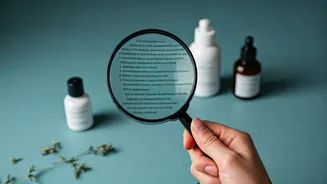
The demand is no longer just for 'natural' or 'gentle' labels. Consumers want specifics. What percentage of this active ingredient is in the serum? Where was this ingredient sourced? Can you show me the clinical trial data that proves this cream reduces wrinkles? The industry has a long history of making exaggerated or misleading claims with little regulatory oversight. [5, 11] But with online beauty channels exploding and influencers dissecting ingredient lists live on social media, that's no longer a viable strategy. [2] Brands that build trust are those that offer measurable results and aren't afraid to show their work. Transparency around ingredients is now rated as extremely important by a staggering 81% of consumers. [10] Vague marketing buzzwords are being replaced by a demand for hard data. [15]
The Real Cost of a Broken Promise
What happens when a brand is caught 'pinkwashing' or making false claims? The damage goes far beyond a slap on the wrist. They face a catastrophic loss of consumer trust, which is the most valuable asset a company has. In a competitive market, rebuilding that trust is a monumental task. [20] Loyalty is hard-won, and today's informed consumers are quick to abandon brands that feel inauthentic or dishonest. [1, 21] This isn't just a moral failing; it's a critical business misstep. The future of the beauty industry belongs not to the brands with the slickest marketing, but to those who demonstrate a deep and consistent respect for their customers' intelligence and values through transparent practices. [8]