


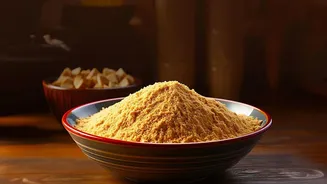
What is Sattu Anyway?
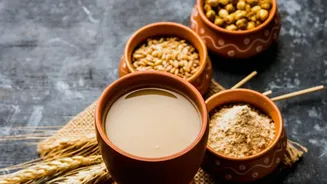
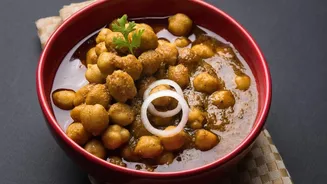
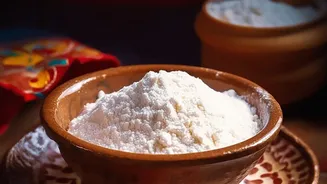
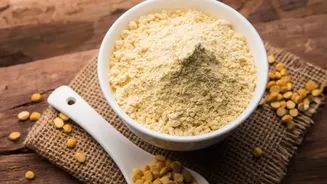
Long before protein powders lined gym shelves, sattu was a staple in regions like Bihar, Uttar Pradesh, and Punjab. It is a flour made from dry-roasted Bengal gram (chana), a process that gives it a unique nutty flavour and makes it easier to digest.
Traditionally known as the 'poor man's protein', this ingredient has been consumed for centuries by farmers and laborers for sustained energy during long, hot days. Today, its incredible nutritional profile is finding a new, modern audience looking for clean, effective, and natural fitness fuel.
The Nutritional Edge of this Desi Superfood
Sattu is a nutritional powerhouse. A 100-gram serving packs around 20-25 grams of plant-based protein, crucial for repairing and building muscle after a workout. But unlike most processed protein supplements, it offers much more. It's exceptionally high in dietary fibre (around 18 grams per 100g), which aids digestion and promotes a feeling of fullness, helping to manage post-exercise hunger. It also delivers complex carbohydrates that provide a slow, sustained release of energy, preventing the dreaded sugar crash. Furthermore, sattu is rich in essential minerals like iron, magnesium, and calcium, which support energy metabolism and overall health.
The Problem with Processed Drinks
While convenient, many commercial post-workout drinks come with downsides. They are often ultra-processed and can contain a long list of additives, artificial sweeteners, and preservatives. Some powders are high in added sugars, which can lead to an unhealthy spike in blood sugar and contribute to weight gain. Digestive issues like bloating and gas can also be a common complaint for those with sensitivity to lactose or certain additives found in milk-based whey proteins. Additionally, studies have raised concerns about contaminants like heavy metals and BPA being found in some commercial protein powders, a risk associated with extensive industrial processing.
Whole Food Goodness: Digestion and Affordability
One of the most significant advantages of sattu is its digestibility. As a minimally processed whole food, it is often gentler on the stomach. The high fibre content promotes a healthy gut, which is essential for absorbing all the nutrients from your food. Its natural form stands in stark contrast to highly refined powders. Beyond the health benefits, there's a practical advantage: cost. Sattu is significantly more affordable than most whey protein supplements, making it an accessible option for consistent, long-term use. Its natural cooling properties also make it an ideal post-workout choice for India's hot climate, helping to hydrate the body and replenish electrolytes.
From a Simple Drink to a Powerful Bowl
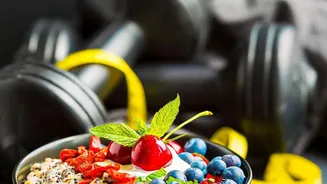
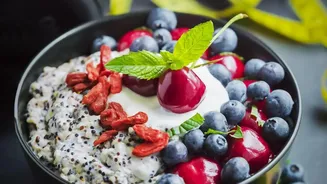
The versatility of sattu is a key reason for its growing popularity. While the traditional sattu sharbat—a simple drink with water, lemon, and black salt—is a quick energizer, the real innovation is in the sattu bowl. By preparing it with a thicker consistency, similar to a porridge, you create a base for a complete recovery meal. You can mix in curd for more protein, add fruits like banana for glycogen replenishment, and top it with nuts and seeds for healthy fats and extra crunch. This transforms sattu from a simple protein source into a balanced meal that addresses all post-workout needs: protein for repair, carbs for energy, and micronutrients for recovery.