








A New Era of Unpredictable Weather
Gone are the days when you could reliably plan a trip based on traditional wet and dry seasons. Climate change has increased the frequency and intensity of extreme weather events, making flash floods and landslides a growing concern for travellers. Popular
tourist destinations in India, such as Himachal Pradesh, Uttarakhand, and Kerala, are particularly vulnerable, especially during the monsoon season. Heavy rainfall can lead to sudden road closures, train service suspensions, and even the isolation of entire towns, turning a dream vacation into a logistical nightmare. This new reality doesn’t mean you should stop travelling, but it does mean that modern travel planning requires a proactive approach to safety and flexibility.
Where to Find Real-Time Flood Information
Staying informed is your first line of defence. Before and during your trip, make it a habit to check multiple sources for the latest weather and safety updates. Official government agencies, like the India Meteorological Department (IMD) and the National Disaster Management Authority (NDMA), provide reliable warnings. Many states also have their own disaster management portals and alert apps. Beyond government sources, download reputable weather apps that offer real-time alerts for your specific location. It's also wise to follow the social media accounts of local authorities and tourism boards at your destination, as they often provide the most current updates on local conditions, road closures, and safety advisories.
Decoding Alerts: Watch vs. Warning
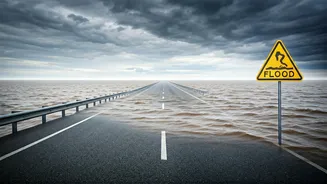
Understanding the terminology used in weather alerts is crucial for making smart decisions. A 'flood watch' means that conditions are favourable for flooding to develop. It is not a certainty but a signal to be prepared and monitor the situation closely. A 'flood warning' is more serious; it means flooding is imminent or already occurring. If a flood warning is issued, you must take immediate action. This could mean evacuating if local authorities advise it, moving to higher ground, or staying put and avoiding all travel. Never attempt to walk, swim, or drive through floodwaters—as little as six inches of moving water can knock you off your feet, and a foot can sweep a vehicle away.
Protecting Your Plans and Your Finances
A flood warning can have a ripple effect on your entire itinerary, from cancelled flights to uninhabitable hotels. This is where travel insurance becomes essential. However, not all policies are created equal. When purchasing insurance, look for plans that explicitly cover trip cancellations and interruptions due to natural disasters. Be aware that to be eligible for coverage, you must typically buy the policy before the storm or flood is a known event. If your trip is cancelled because an airline ceases services or your pre-booked accommodation becomes uninhabitable due to flooding, your policy may reimburse your non-refundable expenses. For maximum flexibility, consider a 'Cancel For Any Reason' (CFAR) policy, which allows you to cancel for reasons not covered by standard plans.
Smart Steps for Flood-Prone Destinations
When travelling to an area known for seasonal floods, a few extra precautions can make a significant difference. Pack a small emergency kit with essentials like a power bank, a torch, a first-aid kit, dry snacks, and any necessary medications. Keep digital and physical copies of important documents in a waterproof pouch. Before you leave, discuss an emergency communication plan with your family. When booking, opt for flexible or refundable options for flights and hotels, even if they cost slightly more. This built-in flexibility can save you from major financial losses if you need to change your plans at the last minute. If you are in an area when a flood occurs, follow the advice of local authorities, avoid downed power lines, and be cautious of contaminated floodwaters.