




The Comfort of Tradition
Think of the food you crave when you miss home. For many, it’s a fragrant biryani, a creamy dal makhani, or buttery naan. In Indian culinary language, richness has long been synonymous with generosity, celebration, and comfort. A well-made dish was often
a decadent one, with flavours built through slow-cooking, layers of spice, and, yes, a liberal use of fat like ghee or cream. This wasn’t just about taste; it was an expression of love and abundance. These dishes are culinary heirlooms, passed down through generations, their recipes a testament to a time when calories were fuel for hard physical labour, not a number to be tracked on an app. This foundation of warmth and indulgence is precisely what makes reimagining Indian food so challenging—and so exciting.
The New Definition of Good
Simultaneously, a wellness wave has swept across urban India. It’s a movement that goes far beyond shedding kilos. Today’s diners are more informed and inquisitive than ever. They’re asking about gluten, gut health, and glycemic indexes. They want to know where their vegetables come from and how their food is cooked. The new definition of a ‘good’ meal is shifting from purely tasting good to also *feeling* good long after the plates are cleared. This isn’t about adopting a Western diet of salads and smoothies; it’s about applying a modern wellness lens to the food that is closest to our hearts. Restaurants are responding, realising that the diner who orders a rich mutton rogan josh on Saturday might want a lighter, healthier, yet equally satisfying option on Tuesday.
Reinventing the Classics
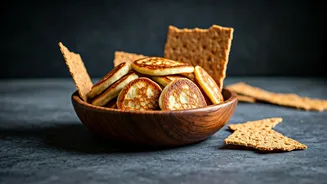
So, how do you make a classic ‘healthier’ without stripping it of its soul? The answer isn't subtraction, but innovation. Chefs are leading this charge by deconstructing and rebuilding beloved dishes. That heavy cream in a butter chicken might be replaced with a creamy puree of cashews or a lighter yogurt-based sauce that still provides texture and tang. The deep-fried samosa might reappear as a baked or air-fried parcel with a whole-wheat shell and a filling packed with vegetables and lentils. Cooking techniques are being re-evaluated, with grilling, steaming, and pan-searing taking precedence over deep-frying. The goal is to reduce the calorie load and unhealthy fats while amplifying the natural flavours of the core ingredients and spices.
An Ancient Grains Renaissance
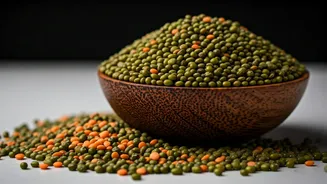
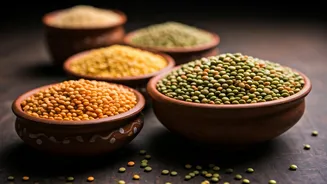
One of the most exciting aspects of this trend is the rediscovery of India’s own superfoods. For years, ‘health food’ often meant imported quinoa or kale. Now, chefs and diners are championing indigenous grains that are naturally nutritious, gluten-free, and perfectly suited to the Indian climate. Millets—like jowar, bajra, and ragi—are making a huge comeback. We’re seeing ragi-based pasta, jowar-crust pizzas, and biryanis made with foxtail millet instead of polished white rice. These ancient grains aren't just a health fad; they are a source of culinary pride. They connect modern plates to a rich agricultural heritage, offering complex, nutty flavours and textures that white flour and rice simply can't match. It’s a delicious win-win for both wellness and tradition.
Keeping the Soul on the Plate
Ultimately, the success of this new culinary movement hinges on one crucial element: flavour. The ‘warmth’ in Indian food was never just about the heat or the fat; it was about the complex interplay of spices—the earthiness of turmeric, the warmth of cinnamon, the smokiness of cumin, the fire of chilli. The best modern Indian chefs understand this. They know that the soul of a dish lies in its masala. By mastering the art of spice, they can create dishes that are light on the body but still intensely flavourful and emotionally resonant. An oat-and-lentil tikki, perfectly spiced and pan-seared, can be just as satisfying as its deep-fried potato-based cousin. It proves that wellness doesn’t have to be bland. The warmth, it turns out, was in the spices all along.