





In the world of tropical fruits, mango and papaya are both top contenders, celebrated for their sunny colours and sweet flavours. But beyond the hype, how do you choose? This is a practical guide to help you decide which one belongs in your basket.
The Nutritional Face-Off
When
it comes to nutrition, neither fruit is a slouch, but they excel in different areas. Papaya is the lighter choice, containing fewer calories and less sugar per serving, making it a good option if you're watching your intake. It also packs a significantly higher amount of Vitamin C, a powerful antioxidant for immune support. Mango, on the other hand, is a nutritional powerhouse for other essential vitamins. It delivers a much bigger dose of Vitamin A (in the form of beta-carotene), which is crucial for eye health, and also provides more Vitamin E and folate. Papaya also contains a unique enzyme called papain, which is known to aid in protein digestion.
A Contrast in Taste and Texture
Your preference in the taste department might be the ultimate deciding factor. Mangoes are known for their complex, rich sweetness, often described as a blend of peach, pineapple, and apricot notes. The texture is generally fibrous and juicy, though this can vary between the hundreds of mango varieties. Papaya offers a much milder, more delicate sweetness, sometimes with a musky undertone. Its flesh is famously creamy and buttery, with a consistency similar to a ripe avocado or cantaloupe. For those who prefer a bold, intense fruit flavour, mango is the clear winner. If you enjoy a softer, more subtle fruit, papaya is your go-to.
Best Uses in the Kitchen
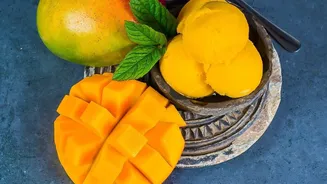
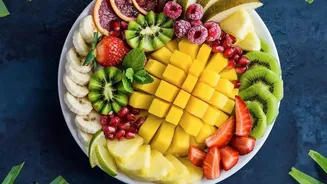
Both fruits are incredibly versatile, but their unique properties make them shine in different culinary roles. Mango's robust sweetness and firm flesh hold up well in a variety of dishes. It's a star in smoothies and lassis, adds a sweet counterpoint to savoury salads and salsas, and is a classic ingredient in desserts like ice cream, cheesecakes, and puddings. Papaya's creamy texture and subtle flavour make it a perfect breakfast fruit, simply sliced with a squeeze of lime. It works wonderfully in fruit salads, salsas where you want a less overpowering sweetness, and can even be used as a natural meat tenderiser thanks to its papain content.
How to Pick the Perfect Fruit
Choosing a good fruit is key to enjoying it. For mangoes, don't rely solely on colour, as it varies widely by variety. Instead, gently squeeze the fruit; a ripe mango will have a slight give, much like a peach, and often has a fruity aroma at the stem end. To ripen a firm mango, leave it at room temperature for a few days, or place it in a paper bag to speed up the process. When picking a papaya, look for skin that is turning from green to yellow. It should be smooth and yield to gentle pressure without being mushy. Avoid papayas with black spots or major blemishes. Like mangoes, papayas can be ripened at room temperature and then moved to the refrigerator to slow the ripening process.
The Verdict: Which Should You Choose?
There's no single winner in the mango versus papaya debate. The best choice truly depends on your personal goals and taste preferences. Choose mango if you're craving an intense, sweet, and complex flavour, and if you're looking for a boost in vitamins A and E. It's the go-to for vibrant desserts and drinks where you want the fruit flavour to be front and centre. Opt for papaya if you prefer a milder, creamier fruit with fewer calories and less sugar. Its high Vitamin C content and digestive enzymes are an added bonus. It's perfect for a light breakfast or a gentle addition to a fruit medley.