




What Exactly is Sattu?
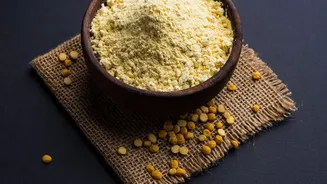
Sattu is a flour made from roasted Bengal gram (chana), a staple in states like Bihar, Jharkhand, and Uttar Pradesh for centuries. Often called the 'poor man's protein', this powerhouse ingredient has long been valued for providing sustained energy for farmers
and labourers. The process of dry roasting the gram before grinding it gives sattu a unique nutty flavour, improves its digestibility, and extends its shelf life without any preservatives. It’s a minimally processed, affordable, and deeply traditional food that is now being rediscovered for its incredible nutritional benefits in a modern context.
A Nutritional Powerhouse
The main reason sattu is gaining popularity is its impressive protein content, offering around 20-25 grams of plant-based protein per 100 grams. This makes it an excellent alternative to whey protein for vegetarians, vegans, and anyone looking to boost their protein intake naturally. Beyond protein, sattu is rich in dietary fibre, which aids digestion, promotes gut health, and keeps you feeling full for longer, helping with weight management. It's also packed with essential minerals like iron, magnesium, and calcium, which support energy levels, bone health, and muscle function. With a low glycemic index, it provides a slow, steady release of energy without spiking blood sugar levels.
Why Sattu for Smoothie Bowls?
While traditionally consumed as a cooling sharbat (a drink mixed with water and spices), sattu’s properties make it a perfect candidate for smoothie bowls. Its fine, flour-like texture acts as a natural thickener, helping you achieve that spoonable, creamy consistency that is the hallmark of a great smoothie bowl without needing to use excessive frozen fruit. Its earthy, nutty flavour is pleasantly mild, serving as a neutral base that pairs well with a wide variety of fruits, nuts, seeds, and sweeteners. It effectively turns your morning smoothie from a simple drink into a complete, balanced meal.
Crafting Your Perfect Sattu Smoothie Bowl
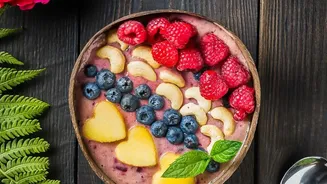
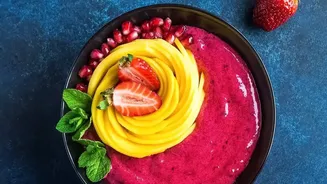
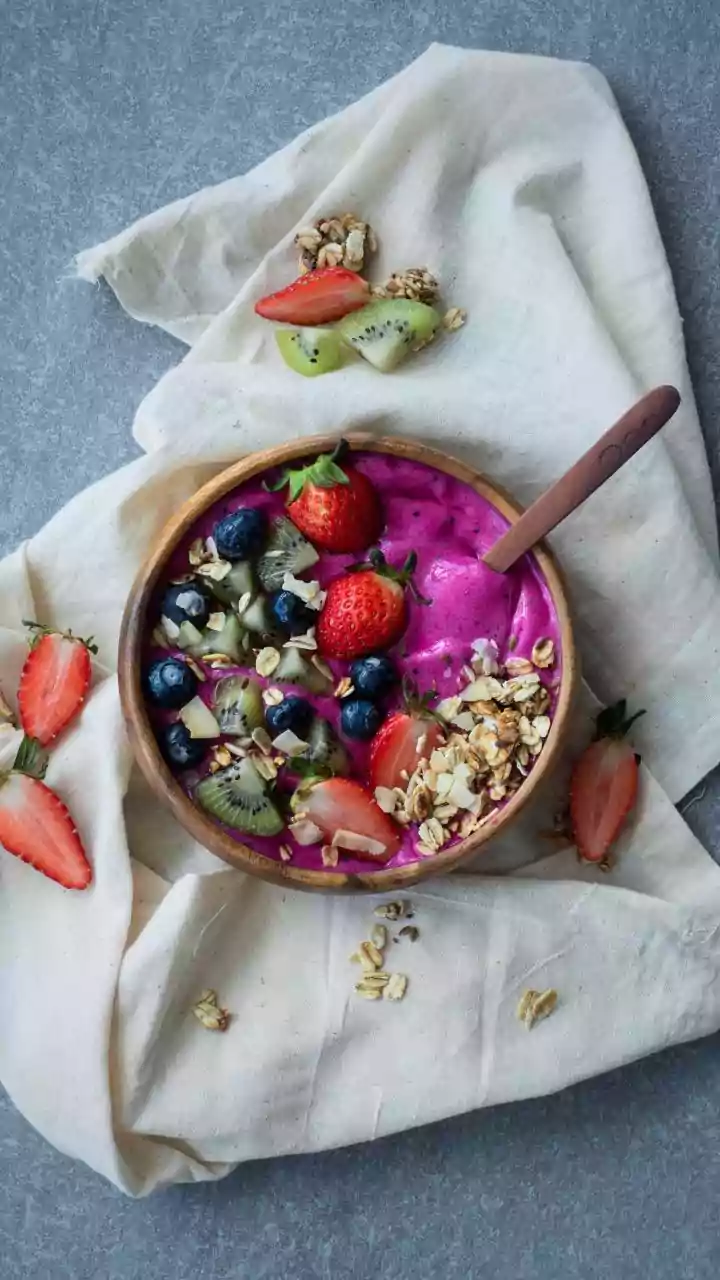
Making a sattu smoothie bowl is incredibly simple and requires no special skills. Just follow this basic formula and adjust to your preference. Start with your base: combine 3-4 tablespoons of sattu flour with about 150-200ml of liquid (like milk, almond milk, oat milk, or even yogurt or water) in a blender. For creaminess and natural sweetness, add a frozen banana or half a cup of another frozen fruit like mango or berries. Blend everything until it is smooth and thick. If it’s too thick, add a splash more liquid; if it’s too thin, add another tablespoon of sattu or some chia seeds. Pour the thick smoothie into a bowl and get ready for the best part: the toppings.
Flavour and Topping Ideas
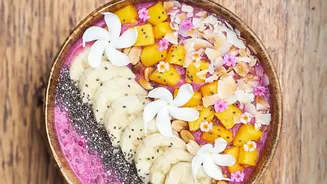
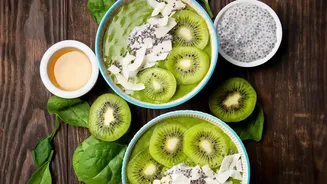
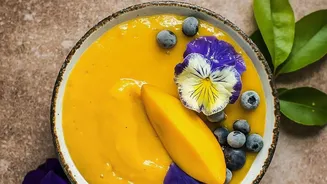
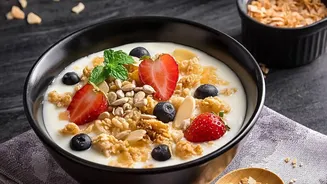
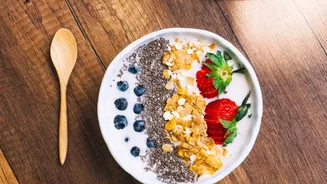
The versatility of sattu allows for endless creativity. For a classic flavour, top your bowl with fresh fruit slices, a sprinkle of nuts and seeds (like pumpkin or chia seeds), and a drizzle of honey or jaggery. For a richer, dessert-like bowl, try a chocolate-peanut butter version by blending in a tablespoon of cocoa powder and a spoonful of peanut butter. A tropical bowl can be made with mango and topped with coconut flakes. Don't be afraid to experiment with spices like cinnamon or cardamom to add warmth and complexity to your creation. The toppings not only add texture and flavour but also enhance the nutritional value of your breakfast.
Tips for Success
To ensure a smooth, lump-free smoothie bowl, add the liquid to your blender first, followed by the sattu powder. This prevents the flour from sticking to the bottom. If you are new to the taste of sattu, start with a smaller amount, perhaps two tablespoons, and gradually increase it as you get accustomed to the flavour. For an extra boost to digestion and thickness, you can add pre-soaked chia seeds to the blend. Sattu can be consumed daily, and it's a great option for a post-workout meal to aid muscle recovery or as a fulfilling breakfast to kickstart your day with sustained energy.