
Beyond the Monument Checklist
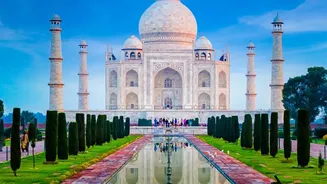
For decades, holidays were defined by a familiar checklist: visit the famous fort, take a photo at the scenic viewpoint, and eat at a well-known restaurant. Today, that script is changing. Travellers across India are increasingly looking beyond passive
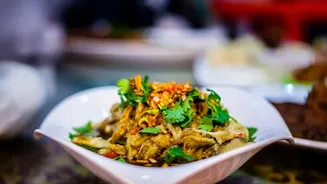
sightseeing to actively participate in the culture of the places they visit. This trend, known as experiential travel, is about immersion. Instead of just seeing a new place, the goal is to understand it by engaging with its people, traditions, and daily life. This could mean learning to cook regional dishes in a local home, attending a vibrant festival not as a spectator but as a participant, or exploring villages with a local guide who shares stories that no guidebook contains. The emphasis is shifting from collecting destinations to creating meaningful memories.
The Rise of the Conscious Traveller
Several factors are driving this significant shift. Younger demographics, particularly millennials and Gen Z, are at the forefront, valuing unique experiences over material possessions. Recent data shows that a staggering 84% of Indian travellers are choosing to explore culture within India, with their interest in such trips growing rapidly. Social media also plays a crucial role, not just for showcasing picture-perfect locations, but for revealing hidden gems and authentic activities that inspire others to seek them out. Furthermore, there is a rising wave of conscious travel. A majority of Indian travellers now state that sustainable travel is important to them, leading them to support small, independent businesses and make choices that minimise their environmental impact. This conscious mindset aligns perfectly with the ethos of experiential travel, which often involves smaller-scale, community-focused tourism.
Homestays, Farms, and Festivals
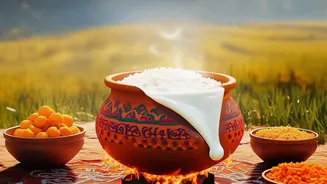
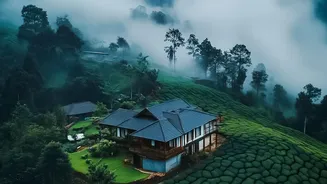
This demand for authenticity is reshaping the tourism landscape. Homestays are booming in states like Kerala, Rajasthan, and Uttarakhand, offering travellers a genuine glimpse into local life. Agri-tourism is another fast-growing segment, particularly in regions like Maharashtra and the Konkan coast. Here, visitors can participate in farm activities, from helping with the harvest to learning about traditional food processing, creating a direct connection to the land and its produce. Festivals are also becoming powerful travel anchors. A recent report revealed that 72% of Indians are planning or considering trips specifically to attend major cultural events like Durga Puja in Kolkata or Ganesh Chaturthi in Mumbai. These events offer an unparalleled level of cultural immersion that a standard holiday simply cannot match.
An Engine for Local Growth
One of the most powerful outcomes of this trend is its economic and social impact. Unlike mass tourism, where money often flows to large hotel chains and tour operators, experiential travel channels funds directly into local communities. When travellers choose a family-run homestay, buy handicrafts directly from artisans, or hire a local guide, their spending supports grassroots entrepreneurship and helps preserve cultural heritage. This model creates a ripple effect, boosting employment and providing sustainable livelihoods in rural and semi-urban areas. By turning their homes and farms into viable tourism businesses, local hosts are not just earning an income; they are becoming cultural ambassadors, sharing their world with curious visitors in a way that is both personal and profound.