







Why Managing Moisture is Crucial
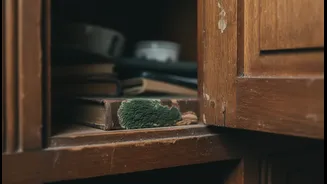
Excess humidity in your home is more than just uncomfortable, especially during monsoon season. When indoor humidity levels consistently stay above 60%, they create a perfect breeding ground for mould, mildew, and dust mites. These can trigger allergies,
asthma, and other respiratory problems. Over time, persistent moisture can also cause serious damage to your property, leading to rotting wood, warped furniture, peeling paint, and even compromising the structural integrity of walls and floors. By proactively managing humidity, you protect both your family's health and your home's foundation.
The Bathroom: A Steam-Filled Zone
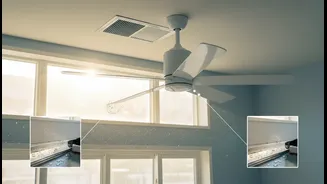
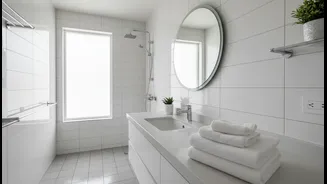
The bathroom is often the biggest culprit for household humidity. Hot showers and baths release a significant amount of steam into the air. The most effective weapon against this is ventilation. Always use an exhaust fan during and for at least 20 minutes after a shower. If you don't have a fan, opening a window, even slightly, can help moist air escape. Make it a habit to wipe down wet surfaces like shower walls and doors after use. Check regularly for any leaks around sinks and toilets, and consider using mould-resistant paint the next time you decorate.
The Kitchen: Cooking and Cleaning Hotspots
From boiling pots on the stove to running the dishwasher, kitchens generate a surprising amount of moisture. The best defence is to use a range hood or exhaust fan every time you cook to pull steam and odours outside. When boiling water, simply covering your pots and pans can significantly reduce the amount of steam released into the air. After hand-washing dishes, don't leave them to air-dry in a poorly ventilated space. Also, be vigilant about checking for leaks under the sink, as a slow drip can create a damp, hidden environment ideal for mould growth.
The Laundry Area: A Hub of Humidity
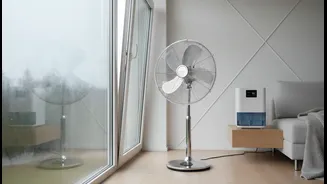
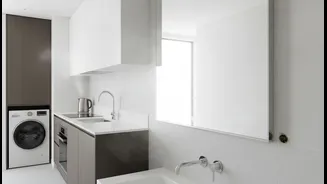
Your laundry routine can dramatically increase your home's humidity. If you use a clothes dryer, ensure it is properly vented to the outdoors so that moist, hot air is expelled. If you hang clothes to dry indoors, do so in a well-ventilated room and use a fan to circulate air, which speeds up drying and prevents moisture buildup. Avoid leaving wet clothes sitting in the washing machine, as mould can begin to grow quickly. Finally, regularly inspect washing machine hoses for any signs of leaks or wear and tear, replacing them every few years to prevent a potential flood.
Whole-Home Humidity Habits
Beyond these three key zones, a few general practices can help maintain a healthy humidity level, ideally between 40% and 60%. Using a dehumidifier, especially in damp basements or during particularly humid weather, can be very effective. Allowing for good airflow throughout your home is also essential; try to keep interior doors open and avoid pushing furniture right up against walls to let air circulate. Sealing cracks around windows and doors can also prevent humid outdoor air from seeping inside. During dry, cool parts of the day, open windows to create a cross-breeze and exchange stale, moist indoor air for fresh air.