





Beyond Butter Chicken
The Indian restaurant landscape is undergoing a significant transformation. The once-dominant menus featuring butter chicken, paneer tikka masala, and dal makhani are making way for a more diverse and authentic representation of the country's culinary
heritage. This isn't just about adding a few new dishes; it's a fundamental shift towards celebrating hyper-local cuisines that were previously confined to home kitchens. Diners are now encountering and embracing the fiery flavours of Chettinad, the subtle complexities of Kashmiri Wazwan, the earthiness of food from the North East, and the coastal delicacies of Kerala. This revival is driven by a curiosity to explore the food traditions of different states and communities, moving beyond a monolithic idea of "Indian food" to appreciate its vast, regional tapestry.
A Search for Authenticity and Stories
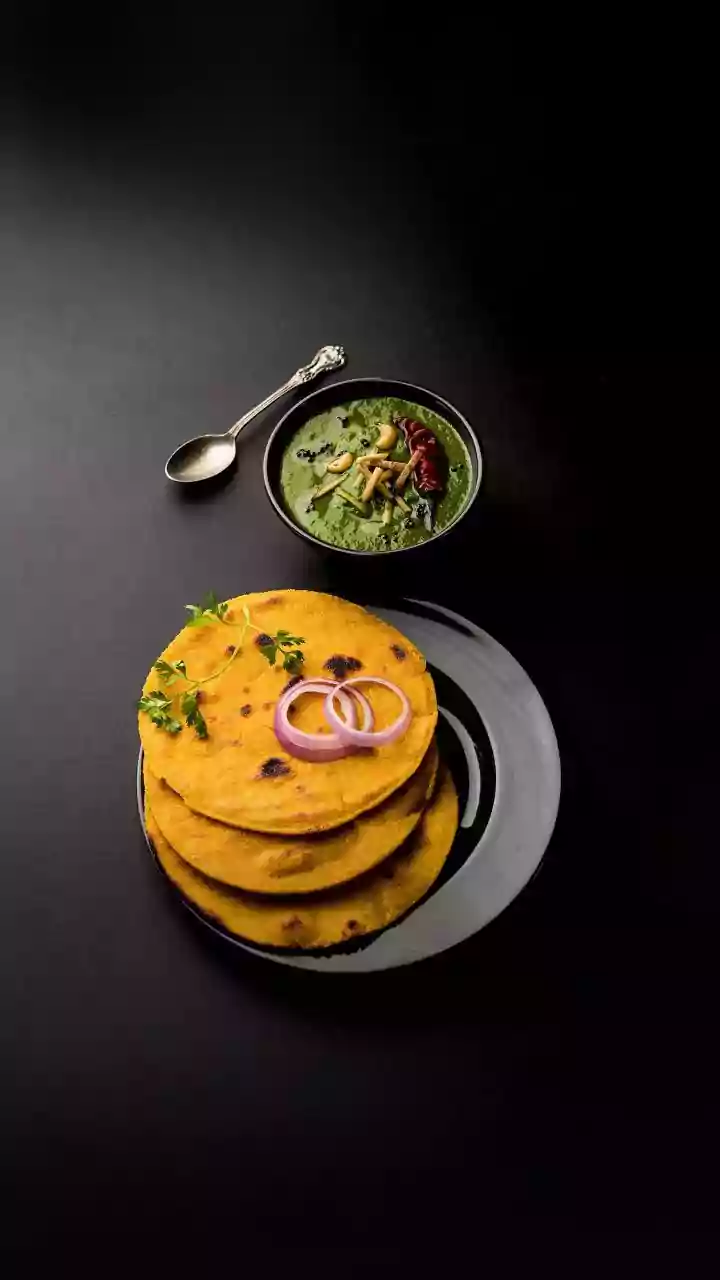
One of the primary drivers behind this trend is a renewed sense of cultural pride and a desire among younger Indians to connect with their roots. For many millennials and Gen Z, food has become a powerful expression of identity. They are increasingly curious about their own family and state traditions, seeking out dishes that carry a sense of history and place. Restaurants are responding by creating menus that tell a story, highlighting forgotten recipes, celebrating local ingredients, and explaining the cultural context of a dish. A plate of litti chokha from Bihar or a Goan vindaloo is no longer just a meal; it's a cultural memory and an experience that diners are eager to explore and share.
The Social Media Effect
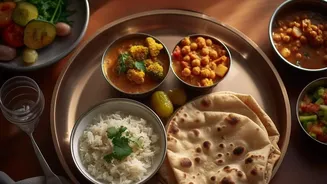
Social media platforms like Instagram and TikTok have played a pivotal role in popularising regional cuisines. Food bloggers and influencers have become digital tastemakers, introducing their followers to hidden culinary gems and lesser-known regional specialities. The visual nature of these platforms makes the vibrant colours and unique presentations of regional thalis and dishes incredibly appealing. A dish that is unique, authentic, and photogenic has a high chance of going viral, creating buzz and drawing diners to establishments that offer something beyond the mainstream. This digital word-of-mouth has made it easier than ever for diners to discover new eateries and for chefs to showcase their regional offerings to a wider audience.
The New Wave of Culinary Guardians
A new generation of chefs is championing this movement, viewing themselves as guardians of India's culinary heritage. Chefs like Prateek Sadhu with his focus on Himalayan cuisine at Naar, and Hussain Shahzad, who reimagines familiar Indian flavours at Papa's in Mumbai, are delving deep into regional traditions. They are travelling to remote villages to unearth forgotten recipes, foraging for local ingredients, and applying modern techniques to elevate traditional dishes without losing their soul. These chefs are not just cooking; they are conducting culinary research and reintroducing diners to the immense diversity of Indian food, from the tribal dishes of Assam to the coastal flavours of Udupi.
Health and Wellness in Focus
The revival also aligns with a growing global trend towards health and wellness. Many regional Indian diets are inherently healthy, relying on seasonal produce, ancient grains like millets, fermented foods, and cooking techniques that use less oil. For health-conscious Gen Z diners, exploring a regional thali is often a more balanced and nutritious option than indulging in rich, heavy Mughlai curries. This generation is more likely to research what they eat and values transparency and fresh, local ingredients. The emphasis on seasonality and farm-to-table concepts, central to many regional cuisines, fits perfectly with the modern diner's desire for food that is both delicious and nourishing.