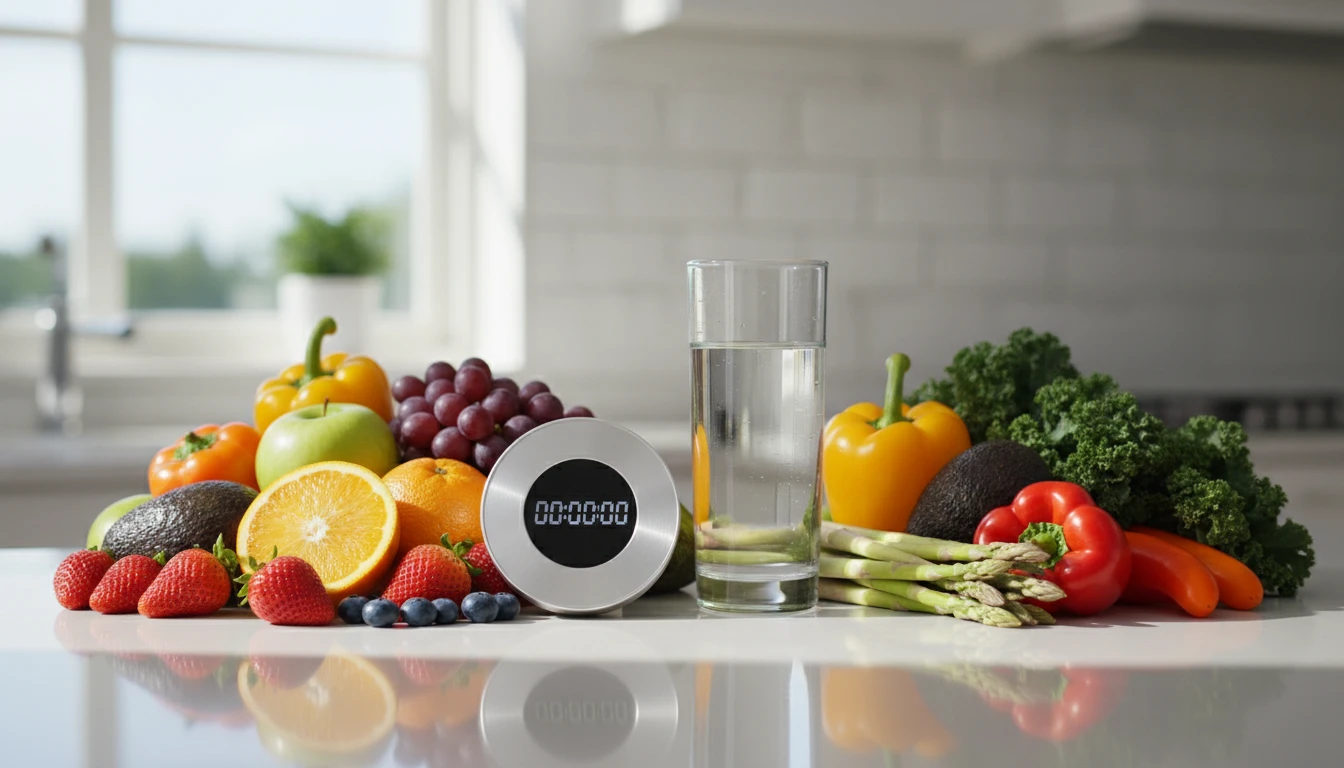









What is Chrononutrition?
Chrononutrition is an emerging science that studies how the timing of our meals impacts our health. It’s not just about what you eat, but when you eat. The core idea is to align our eating patterns with our body's internal 24-hour clock, known as the circadian
rhythm. This internal clock governs almost all our physiological processes, from sleep-wake cycles to hormone production and, crucially, our metabolism. Research in this area explores how factors like meal frequency, timing, and regularity can influence everything from weight management to the risk of chronic diseases.
Your Body’s Built-In Clock
Your body has a master clock in the brain that syncs with the daily cycle of light and dark. But there are also peripheral clocks in almost every organ, including your liver, pancreas, and fat tissue. These clocks regulate how your body handles energy. For instance, your ability to process glucose and your sensitivity to insulin—the hormone that manages blood sugar—are not constant throughout the day. They are generally highest in the morning and early afternoon and decline as the evening progresses. When we eat out of sync with these natural rhythms, such as having large meals late at night, we force our body to process food at a time when it’s least prepared to do so. This misalignment, sometimes called 'chrono-disruption', can lead to metabolic problems over time.
The Midday Metabolic Advantage
Science increasingly points to midday as the optimal time for your largest meal. Your metabolism is believed to be at its peak during these hours, meaning your body is most efficient at digesting food and burning calories for energy. Studies have shown that front-loading your calories earlier in the day can lead to significant health benefits. Research has found that people who eat their main meal at lunch tend to lose more weight compared to those who eat their largest meal at dinner, even when total daily calorie intake is the same. This is partly because insulin sensitivity is higher, allowing for better glucose control and less fat storage.
Echoes of Ancient Wisdom
This modern scientific discovery beautifully mirrors principles found in ancient wellness systems like Ayurveda. For thousands of years, Ayurveda has advocated for eating the largest meal of the day at midday. This is based on the concept of 'Agni', or the digestive fire. According to Ayurvedic teachings, Agni is strongest between 10 a.m. and 2 p.m., when the sun is at its highest point. Eating a substantial, nourishing meal during this window is believed to ensure optimal digestion and nutrient absorption, preventing the buildup of toxins and promoting overall vitality. A light breakfast and an even lighter dinner are recommended to complement this pattern, as the digestive fire is weaker in the morning and evening.
The Trouble with Late-Night Eating
In contrast to the benefits of a hearty lunch, eating a large meal late at night is associated with several negative health outcomes. As our metabolic function slows down in the evening, calories consumed late are more likely to be stored as fat. Studies link late-night eating with an increased risk of obesity, higher BMI, and impaired glucose tolerance. It can also disrupt sleep quality and lead to issues like acid reflux. Essentially, by eating late, you’re working against your body's natural rhythms, which can contribute to weight gain and increase your risk for metabolic conditions like type 2 diabetes over the long term.