



Why Shoja, Why Autumn?
While other Himalayan towns swell with tourists, Shoja remains a sanctuary of calm. Sitting at an altitude of over 2,600 metres, it is higher and cooler than its more famous neighbour, Jibhi, offering a distinct sense of isolation. Autumn, particularly
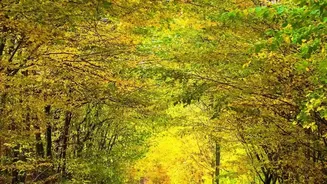
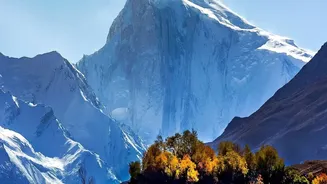
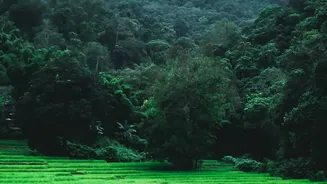
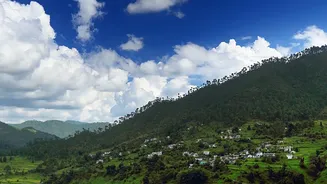
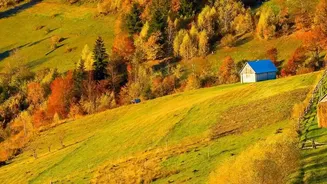
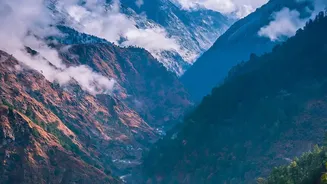
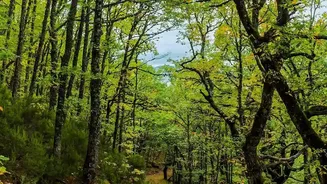
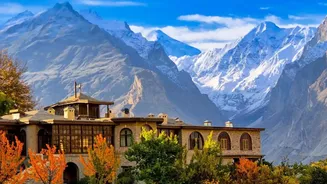
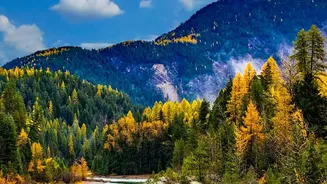
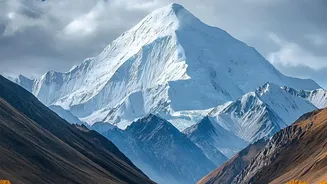
from September to November, is arguably the best time to visit. The monsoon rains recede, leaving behind lush, green landscapes and clear blue skies that reveal stunning vistas of the Dhauladhar and Pir Panjal ranges. The air is crisp, the trails are firm, and the forests are painted in golden hues, making it an ideal season for photographers and trekkers seeking solitude.
The Gateway: Jalori Pass
At 3,120 metres, Jalori Pass is the heart of the Shoja experience. Just a 5 km drive from the village, this high-altitude pass connects the Kullu and Shimla regions and serves as the starting point for the area's most famous treks. The drive itself is an adventure, with steep, winding roads offering breathtaking views. In autumn, the pass is generally free of snow, providing easy access and panoramic views of the surrounding Himalayan peaks. A small Mahakali temple at the pass adds a spiritual touch to the majestic landscape.
Trek to the Sacred Serolsar Lake
The most popular trail from Jalori Pass leads to Serolsar Lake, a pristine high-altitude body of water nestled amidst a dense forest of oak and deodar trees. The 5 km trek is considered easy to moderate, making it accessible even for beginners and families. The well-marked path is mostly flat, taking about 1.5 to 2 hours one way. According to local lore, the lake is sacred to Budhi Nagin, a goddess who is believed to reside in its depths, and her temple stands on its banks. The crystal-clear water reflecting the sky and surrounding trees creates a mesmerising and deeply tranquil atmosphere.
Hike to Historic Raghupur Fort
For those seeking more dramatic, 360-degree views, the trek to Raghupur Fort is a must-do. This trail, starting from Jalori Pass in the opposite direction of the lake, is a shorter but steeper 3 km climb. The path winds through rhododendron and oak forests before opening up to vast green meadows. At the summit, you'll find the ruins of a fort believed to have been built by Mandi rulers as a defence against invasion. While little of the structure remains, the spot offers an unparalleled vantage point for watching the sunset over the Himalayas.
Planning Your Quiet Escape
Reaching Shoja requires a journey by road. The most common route from Delhi (around 500 km) is via Chandigarh and Mandi, turning off the main Kullu-Manali highway at Aut to enter the Banjar Valley. The drive from Aut through Jibhi to Shoja takes you into a quieter, less commercialised world. Direct buses from Delhi to Shoja are sometimes available, but a more reliable option is to take a bus to Aut or Banjar and then a local taxi. Accommodation in Shoja ranges from rustic homestays and guesthouses to well-known hostel chains, catering to various budgets. It's a place that rewards slow travel, so plan to spend at least a few days soaking in the silence.