





The Rule at the Heart of the Restrictions
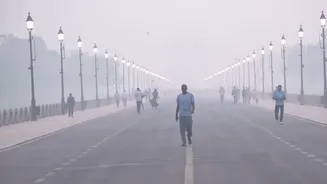
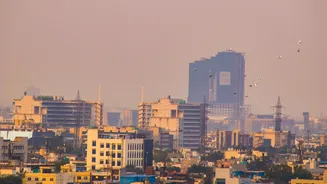
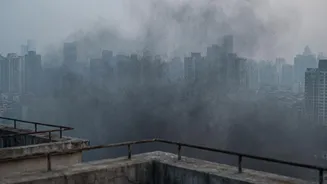
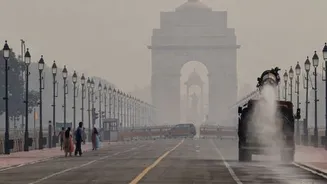
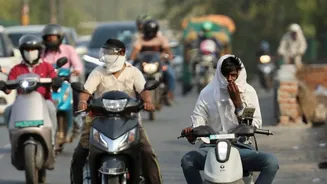
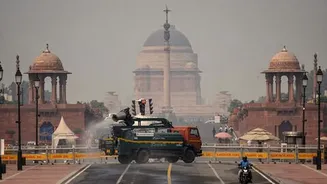
The core of the issue lies with the Graded Response Action Plan (GRAP), an emergency measure to combat Delhi-NCR's severe winter air pollution. When the air quality deteriorates to 'Severe' or 'Severe+' levels (Stage III and above), the Commission for
Air Quality Management (CAQM) imposes a temporary ban on specific types of vehicles. The rule specifically targets BS-III emission standard petrol vehicles and BS-IV emission standard diesel four-wheelers. It's important to note this isn't a permanent, year-round ban; it's a critical, reactive measure enforced during the worst pollution episodes, typically between October and February.
Why These Specific Vehicles Are Targeted
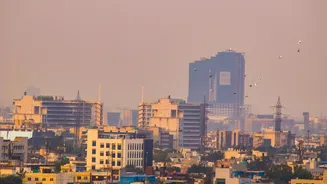
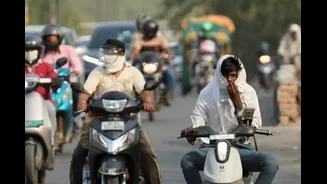
The logic behind targeting BS-III petrol and BS-IV diesel cars is based on their emission levels. Bharat Stage (BS) emission standards regulate the output of air pollutants from vehicle engines. Newer BS-VI vehicles, mandatory since April 2020, are significantly cleaner. Older models, particularly BS-IV diesel cars, emit far more particulate matter (PM2.5 and PM10), which are key components of the thick, hazardous smog that blankets the capital in winter. By taking these higher-polluting vehicles off the road during critical periods, authorities aim to prevent the air quality from worsening further. Vehicles running on cleaner fuels like CNG and all-electric vehicles are exempt from this particular restriction.
The 'Outstation' Driver's Dilemma
The GRAP rules apply to every vehicle on Delhi-NCR roads, regardless of its state of registration. However, they disproportionately affect drivers coming from other states. There are several reasons for this. Firstly, awareness of these dynamic, stage-based rules is often lower outside the immediate NCR region. A driver from a neighbouring state might be completely unaware that the rules have changed overnight due to a spike in the Air Quality Index (AQI). Secondly, the vehicle fleets in smaller towns and other states may, on average, be older. Many individuals and commercial taxi operators continue to use well-maintained BS-III and BS-IV cars that are perfectly legal in their home states but become illegal to operate in Delhi once GRAP Stage III is invoked. This leads to outstation drivers unknowingly violating the law and facing consequences.
The GRAP System: A Staged Response
Understanding the GRAP framework is key to avoiding trouble. It is not a single, static rule but a four-stage plan tied to the AQI. Stage I ('Poor' AQI) involves basic measures like dust control. Stage II ('Very Poor') tightens enforcement. The vehicle ban comes into play at Stage III ('Severe,' AQI 401-450). Stage IV ('Severe+,' AQI over 450) brings even stricter measures, potentially including restrictions on the entry of all trucks except those carrying essential goods. The activation of these stages is announced publicly by the CAQM, and it’s crucial for anyone planning to drive into the region to check the current active stage.
Consequences and How to Prepare
Ignoring the restrictions carries steep penalties. Violators caught driving a banned vehicle type during a GRAP alert face a fine of ₹20,000 under the Motor Vehicles Act. In many cases, enforcement teams may also impound the vehicle, causing significant disruption and expense for the driver. To prepare, always check your vehicle's registration certificate for its BS standard. If you own a BS-III petrol or BS-IV diesel car, monitor the news and official CAQM announcements for GRAP alerts before travelling to Delhi-NCR during the winter season. Additionally, all vehicles entering Delhi must have a valid Pollution Under Control (PUC) certificate, as authorities are also enforcing a 'No PUC, No Fuel' policy at many pumps.