

A New Dawn on the Tracks
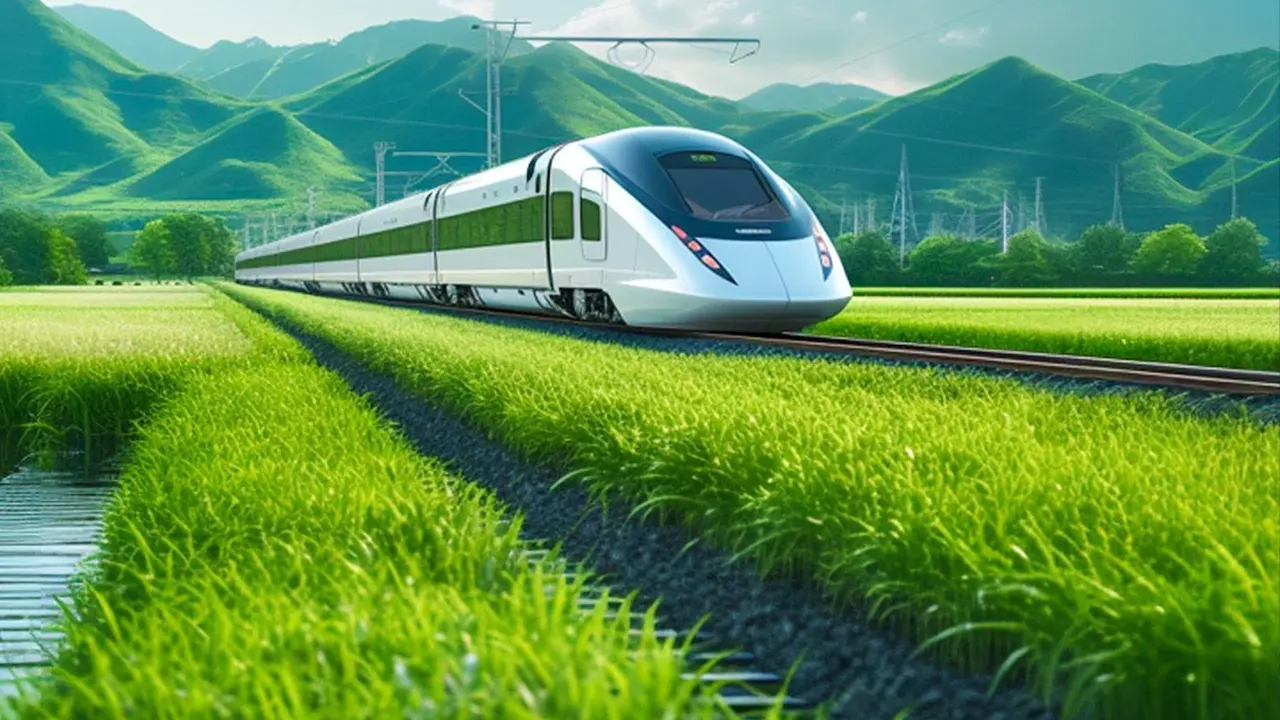
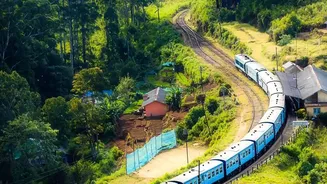
Indian Railways has given the green light for a new daily express service between Mumbai's Chhatrapati Shivaji Maharaj Terminus (CSMT) and Sawantwadi Road in the Sindhudurg district. This service, running as trains 15087 and 15088, will cover the 510-kilometre
route with 22 stops, including key towns like Panvel, Roha, Chiplun, Ratnagiri, and Kankavli. For countless residents, this isn't just another train; it's a lifeline. It promises to slash travel time and provide a reliable, affordable option for those commuting for work, education, and trade, finally linking the hinterland with the Mumbai Metropolitan Region on a daily basis.
The Long Road to Daily Connectivity
The launch of this service is a victory for local passenger associations and leaders who have tirelessly campaigned for years. While the Konkan Railway has long-distance express trains passing through, a dedicated daily service catering to the needs of local commuters has been a persistent demand. These express trains often have limited stops and reservation-based coaches, making them unsuitable for short-distance, everyday travel. The new service addresses this gap directly, promising to be a game-changer for students, small traders, and families who rely on an affordable and accessible mode of transport to connect with the region’s economic centers.
An Engineering Marvel's Unfinished Promise
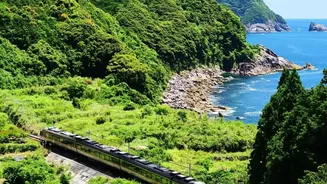
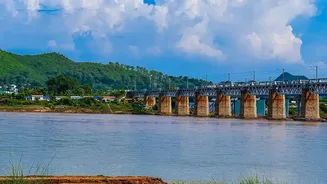
The story of this new train is intertwined with the epic saga of the Konkan Railway itself. Before its construction, the coastal region of Konkan was geographically isolated from the rest of India by the rugged Sahyadri mountains. The British had deemed the terrain too formidable for a railway line. It took the vision of post-independence leaders like Madhu Dandavate and George Fernandes, and the engineering genius of E. Sreedharan, to make this dream a reality. The Konkan Railway Corporation Ltd (KRCL) was formed in 1990, and in a record eight years, the 741-km line from Roha to Mangalore was completed, a feat involving over 2,000 bridges and 92 tunnels. The first full passenger service began in 1998, revolutionising travel by cutting journey times between Mumbai and Goa by 10 hours.
More Than Just a Commute
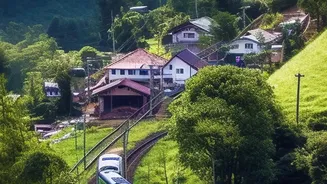
While the Konkan Railway was a triumph of engineering that connected major cities, its initial focus on long-distance traffic left a void in local connectivity. Studies have shown that access to the railway has had a significant socio-economic impact, encouraging migration for employment and enabling access to better opportunities. The new daily service amplifies this effect at a grassroots level. It means a student from Khed can attend college in a larger town, a farmer from Sangameshwar can sell produce in Ratnagiri's market more easily, and families can connect without the expense and hassle of road travel. This enhanced mobility is expected to stimulate local economies and support the region's burgeoning tourism sector.