




The Rise of the 'Skintellectual'
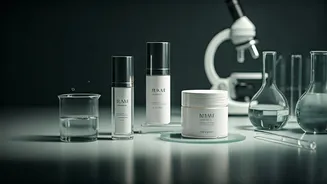
A new type of consumer is driving this change: the 'skintellectual'. [22] These are not passive buyers swayed by celebrity endorsements, but highly informed individuals who approach skincare with a scientific mindset. [23] They research active ingredients
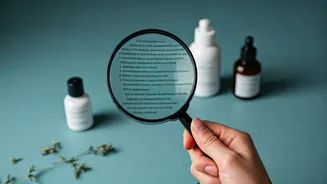
like hyaluronic acid and niacinamide, understand complex formulations, and aren't afraid to deep-dive into clinical data. [22, 23] This rise in consumer education, powered by social media and a new class of trusted 'skinfluencers'—often dermatologists or science communicators—has created a demand for radical transparency. [16] Instead of accepting vague marketing promises like "glow-boosting" or "age-defying," these shoppers want to see the evidence, whether it's the percentage of Vitamin C in a serum or the clinical trial data to back a 'dermatologically-tested' claim. [19, 22]
From Slogans to Sourcing
The demand for proof extends far beyond the ingredient list. Indian consumers are increasingly asking tougher questions about the entire supply chain. Where do the ingredients come from? Are they ethically sourced? Is the packaging sustainable? [3, 15] This shift reflects a deeper desire for authenticity and alignment with personal values. [10] A staggering 81% of consumers now rate ingredient transparency as extremely important. [6] As a result, terms like "clean beauty," "organic," and "cruelty-free" are no longer just buzzwords; they are claims that require validation through third-party certifications like ECOCERT or Cruelty-Free International. [6, 11] Brands that fail to provide this proof risk being called out for 'greenwashing' by a vigilant online community. [15]
How Brands Are Answering the Call
The industry is taking notice. In response, a wave of homegrown, direct-to-consumer (D2C) brands have built their entire philosophy around transparency. [10, 11] They often lead with their ingredient lists, provide detailed information on sourcing, and engage in open dialogue with their customers on social media. [11] Even legacy players and global giants are adapting, recognising that trust is the new currency. [15] We are seeing more brands investing in clinical studies to substantiate their claims, using clear, no-frills packaging, and leveraging technology like AI to ensure their marketing is compliant and responsible. [17, 18] Some have even reversed their labels, putting hero ingredients on the front of the pack to appeal directly to the knowledgeable skintellectual. [24]
A Maturing Market
This shift towards evidence-based beauty is a sign of a market coming of age. India's beauty and personal care market, currently valued at over $30 billion, is one of the fastest-growing in the world. [2, 4, 8] As disposable incomes rise and digital access spreads to Tier-2 and Tier-3 cities, consumers are not just buying more, they are buying better. [5] They are willing to pay a premium for products that are proven safe and effective. [12] This discernment is forcing the entire ecosystem—from manufacturers to marketers—to elevate their standards. The focus is moving from superficial marketing narratives to data-driven storytelling and genuine product efficacy. [17]