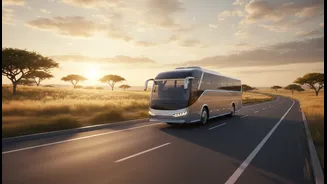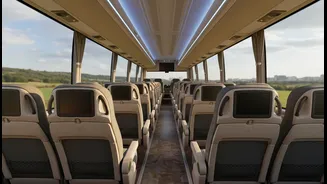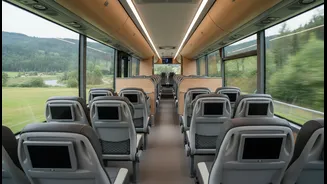





A New Definition of Bus Travel
For years, intercity bus travel was a compromise, often chosen for its affordability over comfort. However, a growing number of passengers are now seeking reliability, hygiene, safety, and a premium experience. Tapping into this demand are new-age mobility
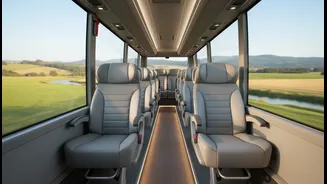
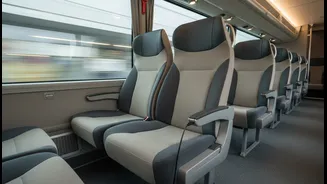
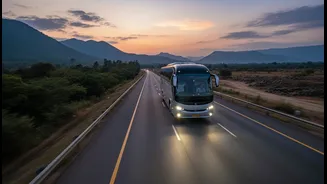
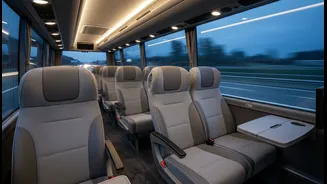
companies like GreenCell Mobility's NueGo, Fresh Bus, and zingbus. These operators are deploying fleets of modern electric buses that redefine the journey. Onboard, passengers can expect reclining seats, mobile charging points, live tracking, and a level of quietness that diesel engines simply cannot match. Services like NueGo, which operates over 300 electric buses across more than 100 cities, are focusing on a guest-centric model that prioritises comfort and punctuality, signalling a major shift in service standards.
The Electric and Environmental Edge
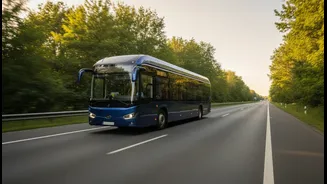
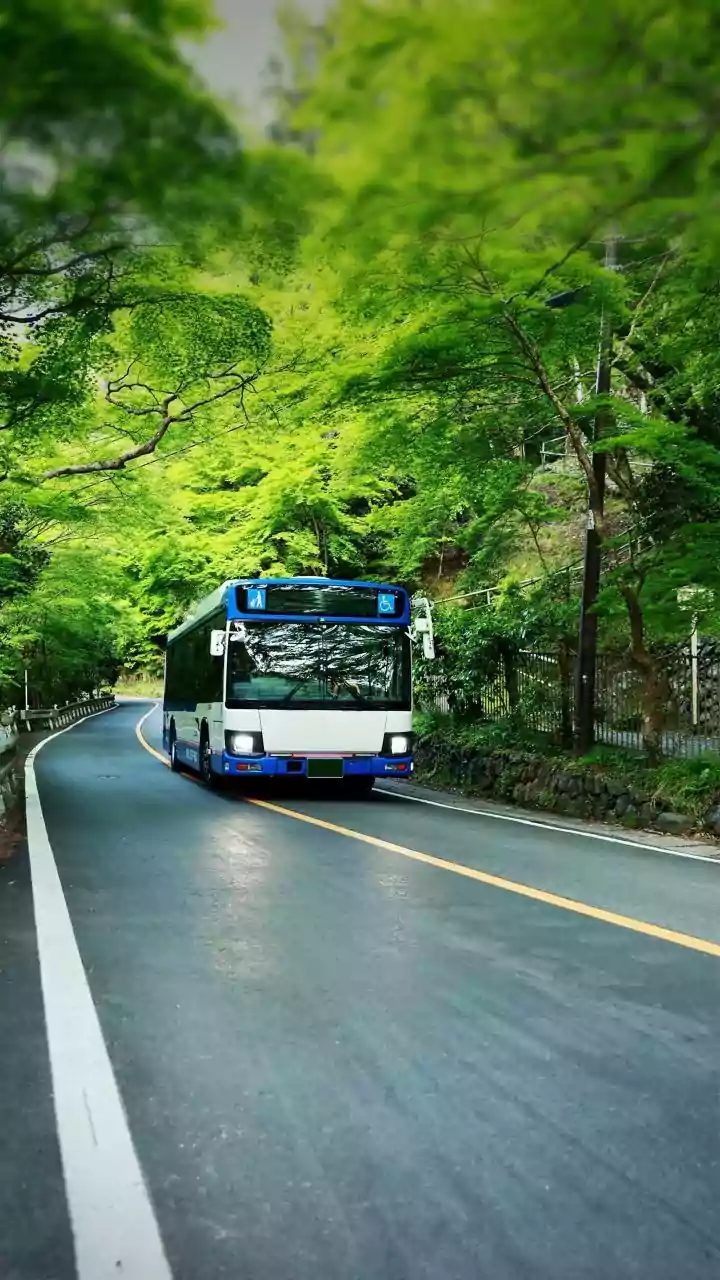
The most significant change is under the hood—or rather, the lack of one. The move to electric power offers a twofold advantage. For passengers, it means a smoother, vibration-free, and virtually silent ride, transforming a typically noisy journey into a calm experience. For the environment, the benefits are even greater. With zero tailpipe emissions, these buses directly combat urban air pollution and reduce the country's dependency on fossil fuels. Each electric bus represents a significant reduction in carbon footprint, aligning with India's broader goals for sustainable transportation. Government support, through schemes like FAME (Faster Adoption and Manufacturing of Electric Vehicles), has been crucial in encouraging this transition by providing subsidies and incentives to make these greener options more viable for operators.
Mapping the Green Corridors
This new wave of travel is no longer a niche experiment. Premium electric buses are now connecting major cities and popular routes across the country. NueGo operates on key corridors like Delhi-Chandigarh, Bengaluru-Tirupati, and Hyderabad-Vijayawada. Fresh Bus started with the Bengaluru-Tirupati route before expanding, focusing on South Indian hubs. Meanwhile, zingbus recently announced plans to deploy over 200 premium and electric buses, strengthening its presence in southern and western India on routes connecting hubs like Mumbai, Pune, and Goa. This growing network is making sustainable long-distance travel an accessible reality for millions.
Navigating the Roadblocks
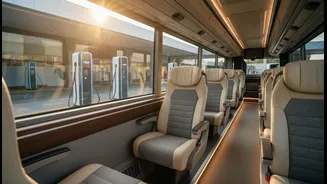
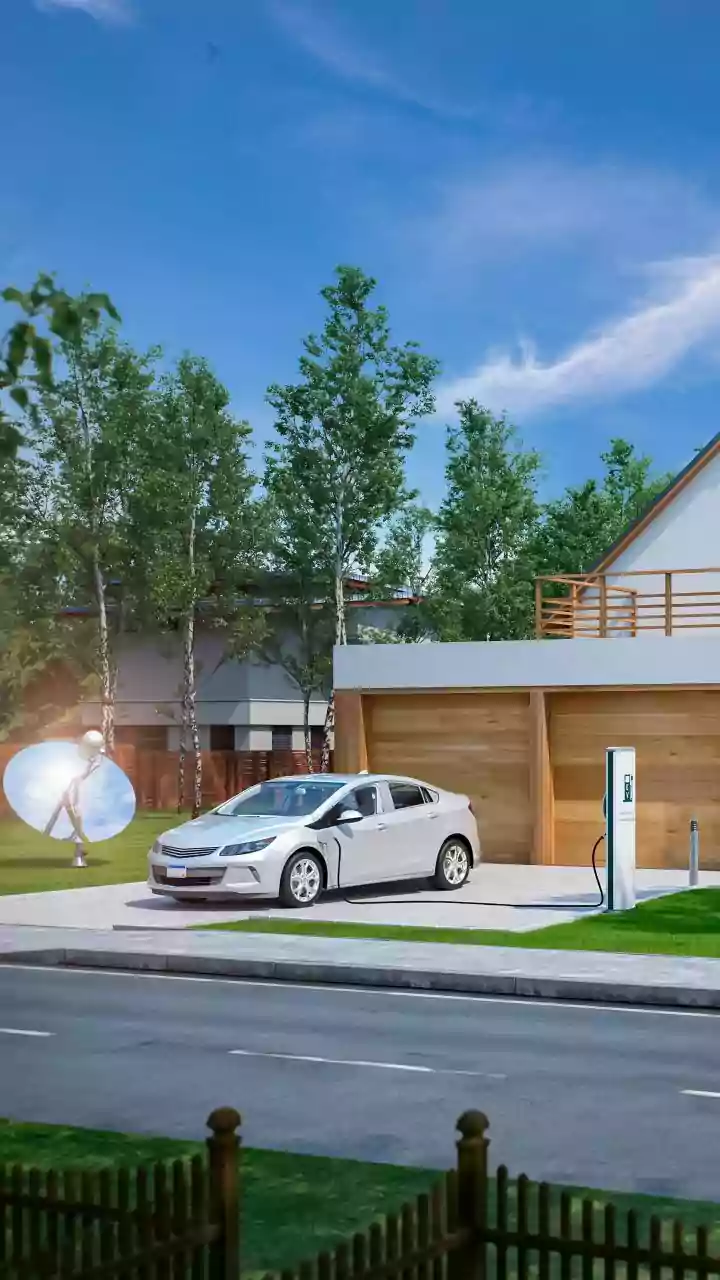
Despite the momentum, the road to a fully electric intercity network is not without its challenges. The primary concerns are the high initial cost of electric buses compared to their diesel counterparts and the issue of range anxiety. A robust, widespread charging infrastructure is essential for long-haul routes. Operators have had to build their own charging stations from the ground up to support their networks. Another hurdle is the financial strain on India's power distribution companies (DISCOMs), which must manage the high-load demands of charging depots without destabilizing the grid. However, innovations are emerging to tackle these issues. Partnerships are being formed to create rapid-charging platforms that can power up a bus in as little as 15 minutes, making long-distance EV travel more operationally efficient.
The Future is Electric and Premium
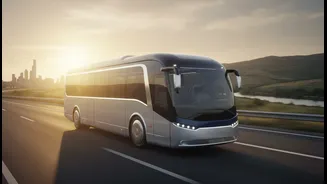
The shift towards premium electric buses is more than just a trend; it's a reflection of an evolving India. It shows a growing consumer market that values sustainability and comfort and is willing to embrace technology for a better travel experience. Companies are expanding their fleets aggressively. Fresh Bus aims to operate hundreds of buses in the coming years, while zingbus has a roadmap to scale its electric fleet to 1,000 buses by 2030. As battery technology improves, costs decrease, and charging infrastructure expands, this new class of travel is poised to become a mainstream competitor to trains and even short-haul flights, promising a cleaner, quieter, and more comfortable future for long-distance road travel in India.