




Why Consider a Sugar Swap?
Traditional Shrikhand gets its delightful sweetness from powdered sugar. While delicious, refined white sugar is often described as providing "empty calories," meaning it offers sweetness without any significant nutritional benefits like vitamins or minerals.
Growing health consciousness has many of us looking for ways to reduce refined sugar intake. The goal isn't to give up our favourite treats, but to reinvent them with more thoughtful ingredients. Swapping sugar for raw honey is a perfect example of a modern twist on a traditional favourite, aligning with a desire for both flavour and function in our food.
The Golden Benefits of Raw Honey
Unlike refined sugar, which is stripped of nutrients during processing, raw honey comes with a host of beneficial compounds. It contains trace amounts of vitamins and minerals, including niacin, riboflavin, calcium, and potassium. More importantly, it is packed with antioxidants like flavonoids and phenolic acids, which help combat inflammation and cellular damage. Honey also has a slightly lower glycaemic index (GI) than sugar—around 50-60 for many raw varieties compared to 65 for sugar. This means it can cause a slower, more gradual rise in blood sugar levels, providing more stable energy. Furthermore, raw honey contains prebiotic compounds that can feed the beneficial bacteria in your gut, supporting digestive health.
A Practical Guide to the Swap
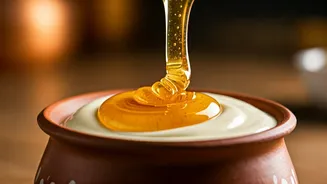
Substituting a liquid for a solid sweetener requires a few adjustments to get your Shrikhand just right. The biggest concern is often texture; some worry that liquid honey will make the final dish runny. The key lies in properly prepared hung curd, or 'chakka'. Ensure your yogurt is strained very well, for several hours or even overnight, until it is thick and has lost most of its whey. When it comes to quantity, remember that honey is sweeter than sugar, so you'll need less of it. A good starting point is to use about three-quarters of the amount of honey as you would sugar. For example, if a recipe calls for 1/4 cup of sugar, start with about 3 tablespoons of honey and adjust to your taste. Gently whisk the honey into the thick hung curd until it's smooth and fully incorporated. It's best to add flavourings like saffron and cardamom powder after the honey is mixed in.
Taste, Texture, and Choosing Your Honey
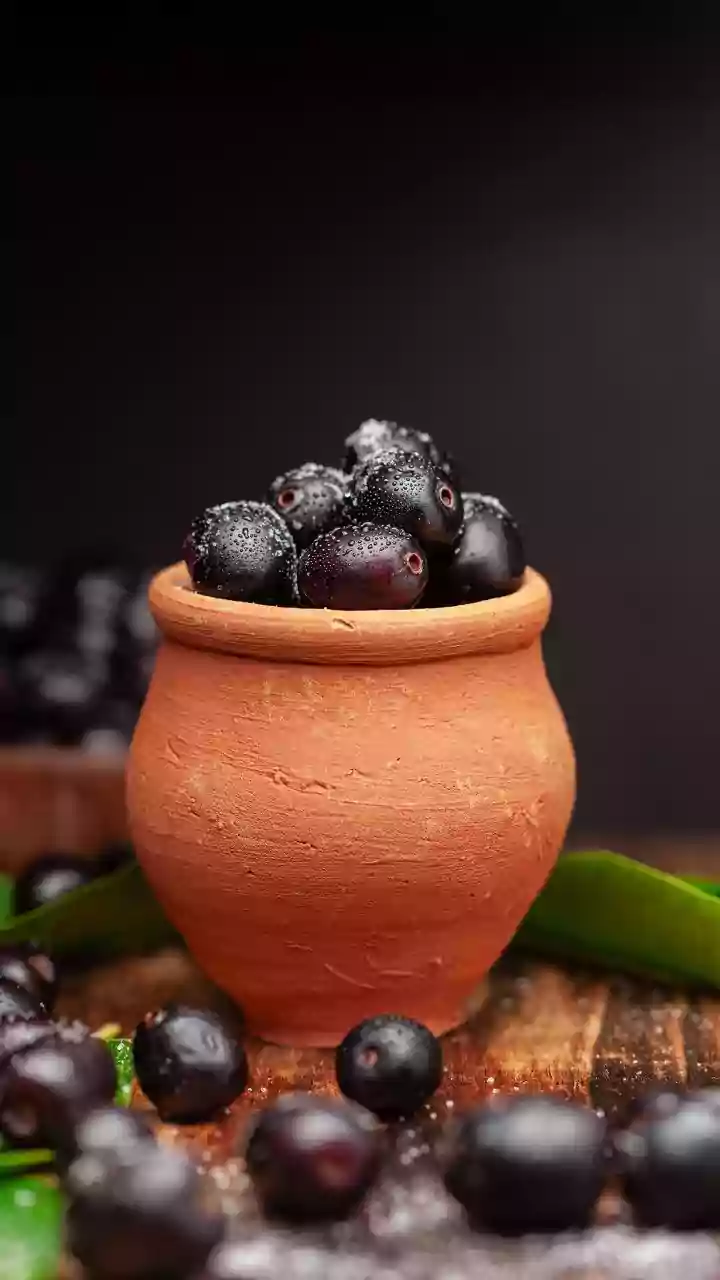
This swap does more than just alter the nutritional profile; it transforms the flavour. While sugar provides a straightforward sweetness, raw honey adds a complex, floral, or fruity dimension that can beautifully complement the tang of the yogurt and the warmth of spices like cardamom and saffron. The type of honey you choose matters. A light, floral honey like clover or acacia will impart a delicate sweetness. For a bolder flavour, you could experiment with Jamun or wildflower honey. Don't be alarmed if your raw honey is crystallised or solid; this is a natural process and a sign of high-quality, unprocessed honey. You can gently warm it to liquefy or simply whisk the crystallised honey directly into your hung curd, where it will dissolve to create a thick, luscious texture.