






The Great Travel Exhale
The frenetic, almost desperate, energy of 'revenge travel' has finally given way to a collective exhale. For a couple of years, the goal was to go anywhere and everywhere, making up for lost time. But as the dust settles, a new kind of travel fatigue
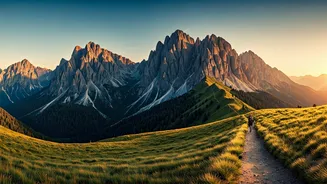
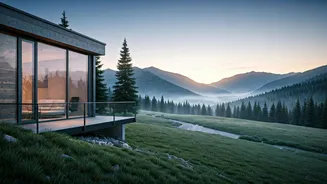
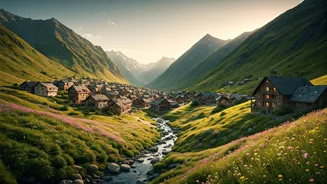
has set in—not a weariness of travel itself, but of the way we were doing it. The long queues, the traffic jams snaking up the hills, and the selfie sticks battling for space have lost their novelty. A significant number of Indian travellers are no longer just looking for a change of scenery; they're desperately seeking a change of pace. The new luxury isn't a five-star hotel with a bustling lobby; it's a quiet cottage with a clean line of sight to the mountains, with nothing but the sound of the wind for company. The goal has shifted from 'seeing' everything to 'feeling' something—peace, connection, and a moment of genuine rest.
What’s Driving the Shift?
Several factors are fuelling this migration from the mainstream to the mellow. Firstly, there's the stark reality of over-tourism. The Instagram-perfect images of Shimla, Manali, and Mussoorie rarely show the bumper-to-bumper traffic or the overflowing waste bins that have become synonymous with peak season. Travellers are realising that the holiday they envisioned—a peaceful escape—is often compromised by the very crowds they were trying to leave behind in the city. Secondly, the desire for a digital detox is real. The pressure to 'perform' a holiday for social media is exhausting. Quiet, lesser-known destinations offer a chance to disconnect from the online world and reconnect with the real one. Finally, the pandemic has had a lasting impact on our priorities. Wellness, mental health, and quality time with loved ones are now non-negotiable. A serene environment is no longer just a preference; it’s seen as a vital component of a truly restorative break.
From Manali to Mashobra
This trend is best understood through the specific choices travellers are making. Instead of joining the processions heading to mainstream Manali, people are venturing into the pristine wilderness of the Tirthan Valley or finding refuge in the apple orchards of Thanedar. The colonial charm of Shimla is being bypassed for the quieter, deodar-lined lanes of Mashobra and Fagu. In Uttarakhand, the buzz of Mussoorie's Mall Road is being traded for the sleepy, old-world elegance of Landour, a cantonment town just a few kilometres away. Down south, the perennial crowds of Ooty are prompting discerning visitors to explore the sprawling, tranquil tea estates of Coonoor and Kotagiri. This isn't an abandonment of the great Indian hill station; it's a deeper exploration. Travellers are learning that the real magic often lies not at the epicentre of tourism, but in its peaceful, less-trodden peripheries.
The Rise of the Conscious Traveller
This movement signifies the evolution of the Indian traveller from a mere tourist to a conscious explorer. It marks a clear move away from 'checkbox tourism'—frantically ticking off famous sights—towards more immersive and meaningful journeys. This new wave of travellers is often more mindful of their ecological and cultural footprint. They are more likely to choose boutique homestays and eco-lodges over large hotel chains, directly contributing to local economies. They show a greater interest in local culture, cuisine, and crafts, seeking authentic conversations over commercialised experiences. This slower, more deliberate approach to travel is also inherently more sustainable. By dispersing tourist traffic away from overburdened hotspots, it helps preserve the fragile ecosystems and infrastructure of our most beloved destinations, ensuring they can be enjoyed for generations to come.