





The Idli Hack: No Idli Stand Needed
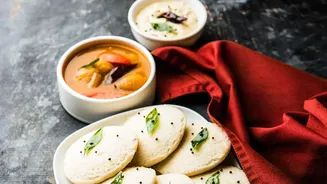
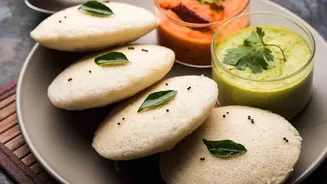
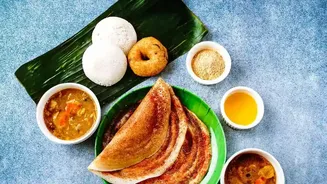
Soft, pillowy idlis are a South Indian staple, but not everyone owns a dedicated idli stand with its stacked, moulded trays. The good news is that any kitchen with a large, deep pot with a lid can produce perfect idlis. The secret lies in creating a platform
to elevate your batter above the steaming water. You can use small, heat-safe steel bowls or 'katoris' for this. Simply grease the inside of the bowls, pour in your fermented idli batter, and arrange them inside your pot. Place them on a trivet or even an overturned metal plate to keep them from touching the water directly. Pour about an inch of water into the pot, cover it tightly, and steam for 10-15 minutes. The result is perfectly cooked, bowl-shaped idlis. You can also use microwave-safe bowls for a quicker version, steaming them for just 4-5 minutes.
The Appam Hack: A Wok to the Rescue
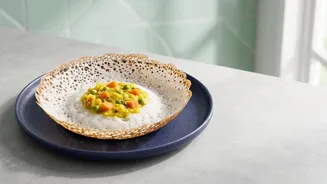
The defining feature of a classic Kerala appam is its unique shape: crispy, lacey edges with a soft, thick centre. This is traditionally achieved using a small, deep pan called an 'appam chatti'. However, you can achieve a very similar effect with a small, non-stick kadai or a wok. The curved sides of a kadai help the batter spread thinly around the edges while pooling in the centre. After heating your greased kadai, pour a ladleful of batter into the middle. Immediately lift the pan and swirl it gently to allow the batter to coat the sides. Cover with a lid and cook for a couple of minutes on low to medium heat until the centre is cooked through and the edges are golden and crisp. No special pan required to enjoy these fluffy pancakes.
The Puttu Hack: Tumblers and Steamers
Puttu, a steamed rice and coconut breakfast cylinder from Kerala, is traditionally made in a 'puttu kutti', a special tube-like steamer. But you can replicate this dish with several common kitchen items. The easiest alternative is using greased stainless steel tumblers. Layer the moistened puttu flour and grated coconut inside the tumbler, just as you would in a puttu maker. Then, place the tumbler inside a pressure cooker (without the whistle) or an idli steamer with simmering water at the bottom and steam for about 10-15 minutes. Another method involves spreading the flour mixture on a clean cloth placed over an idli plate and steaming for about 20 minutes. This results in a looser, 'crumbled' puttu, which is equally delicious when served with bananas, sugar, or a flavourful kadala curry.
Bonus Tip: The Paniyarum Pan Alternative
Sweet or savoury 'paniyaram' (also known as 'appe') are small, round dumplings cooked in a cast iron pan with multiple indentations. While a dedicated pan is best for the signature round shape, you don't have to miss out if you don't own one. For a sweet version like 'nei appam', you can simply deep-fry spoonfuls of the batter in a kadai with hot oil or ghee until golden brown. This will create small, delicious fritters. For savoury versions, some creative cooks have even fashioned temporary moulds out of aluminium foil shaped around small cups or traditional 'diyas' to hold the batter in a regular pan. While it requires a bit more effort, it shows that with a little creativity, almost any regional specialty is within reach.