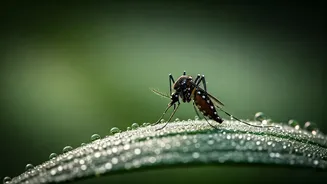









Beware the Mosquito Menace
The most notorious party crashers of the monsoon are mosquitoes, and they bring unwelcome guests like dengue, malaria, and chikungunya. These diseases spike during the rainy season because stagnant water creates perfect breeding grounds for mosquitoes.
Dengue can cause high fever, severe headaches, and a drop in platelet count, while malaria is known for its cycle of fever, chills, and sweating. Chikungunya primarily attacks the joints, causing severe pain that can linger for weeks. Your first line of defence is to wage war on stagnant water. Regularly empty water from coolers, flower pots, and any other containers around your home. Use mosquito repellents, wear long-sleeved clothing, especially during dawn and dusk, and sleep under a mosquito net for maximum protection.
Watch Your Water and Food
Water-borne diseases like typhoid, cholera, and jaundice see a major uptick during the monsoon. Heavy rains can contaminate public water sources, making them unsafe. Symptoms to watch for include persistent fever and abdominal pain for typhoid, severe diarrhoea for cholera, and yellowing of the skin and eyes for jaundice. The golden rule is to only drink boiled or properly filtered water. Avoid ice or juices from street vendors unless you are sure they use purified water. When it comes to food, the high humidity helps bacteria and fungi thrive. It's best to avoid street food, especially items like chaat and pre-cut fruits, which might be prepared in unhygienic conditions with contaminated water. Opt for fresh, thoroughly cooked homemade meals. Wash all fruits and vegetables thoroughly before consumption, and if you eat leafy greens, it's safer to steam or cook them rather than having them raw in salads.
Keep Viral Fevers and the Flu Away
Sudden temperature fluctuations and increased humidity make our bodies more susceptible to viral infections like the common cold and flu. These are highly contagious and spread easily in crowded indoor spaces, which we tend to frequent more during the rains. The key to prevention is boosting your immunity and practicing good hygiene. Incorporate immunity-boosting foods rich in Vitamin C, like citrus fruits, into your diet. Spices like turmeric, ginger, and garlic also have antimicrobial properties that can help. If you get caught in a downpour, change out of your wet clothes as soon as possible. Regular hand washing with soap is one of the most effective ways to prevent the spread of germs.
Don't Forget Your Feet and Skin
The constant dampness of the monsoon can wreak havoc on your skin and feet. Walking through dirty puddles or wearing wet shoes for extended periods can lead to a variety of fungal infections, like athlete's foot. Symptoms often include itching, redness, and peeling skin, especially between the toes. To prevent this, always keep your feet clean and dry. Wash your feet with soap and water after coming in from outside and dry them thoroughly. Using an antifungal powder can help keep moisture at bay. Opt for open, breathable footwear like sandals or floaters that allow water to drain and your feet to dry quickly. Avoid closed shoes made of leather or canvas that trap moisture. Keeping your toenails trimmed short also helps prevent dirt accumulation.