




The Urban Assault on Your Hair
Every day, our hair is exposed to a cocktail of environmental aggressors. Microscopic pollutants from traffic exhaust, industrial smoke, and construction dust settle on our scalp and hair strands. These particles, which include particulate matter (PM),
heavy metals, and sulphur dioxide, don't just sit on the surface; they cling to the hair's natural oils and can penetrate the hair follicle itself. This accumulation leads to a host of problems, including scalp irritation, clogged follicles, dryness, and a noticeable loss of shine and strength. Over time, this constant environmental stress takes a significant toll, making hair more susceptible to damage and breakage.
Understanding Pollution and Protein Damage
Hair is primarily made of a protein called keratin, which forms its structure and provides strength. The main danger from pollution comes in the form of 'oxidative stress'. Pollutants generate unstable molecules called free radicals, which attack and damage the cells and proteins in our body, including the keratin in our hair. This process, known as protein carbonylation, weakens the hair's structural integrity from the cuticle to the cortex. Scientific studies have shown this damage leads to increased porosity, brittleness, and a loss of the hair's natural protective barrier, making it weaker and more prone to thinning.
Ancient Wisdom for a Modern Problem
Long before we had scientific terms for oxidative stress, traditional Indian practices recognised the power of herbs to cleanse, protect, and revitalise hair. Herbal infusions, essentially potent teas made by steeping herbs in water, offer a natural defence against the damaging effects of pollution. Rather than a magical cure, these rinses work through scientifically understandable mechanisms. They help to gently remove the build-up of pollutants from the scalp and hair shaft while delivering a potent dose of protective compounds directly where they are needed most.
The Key Herbal Defenders
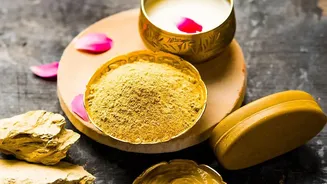
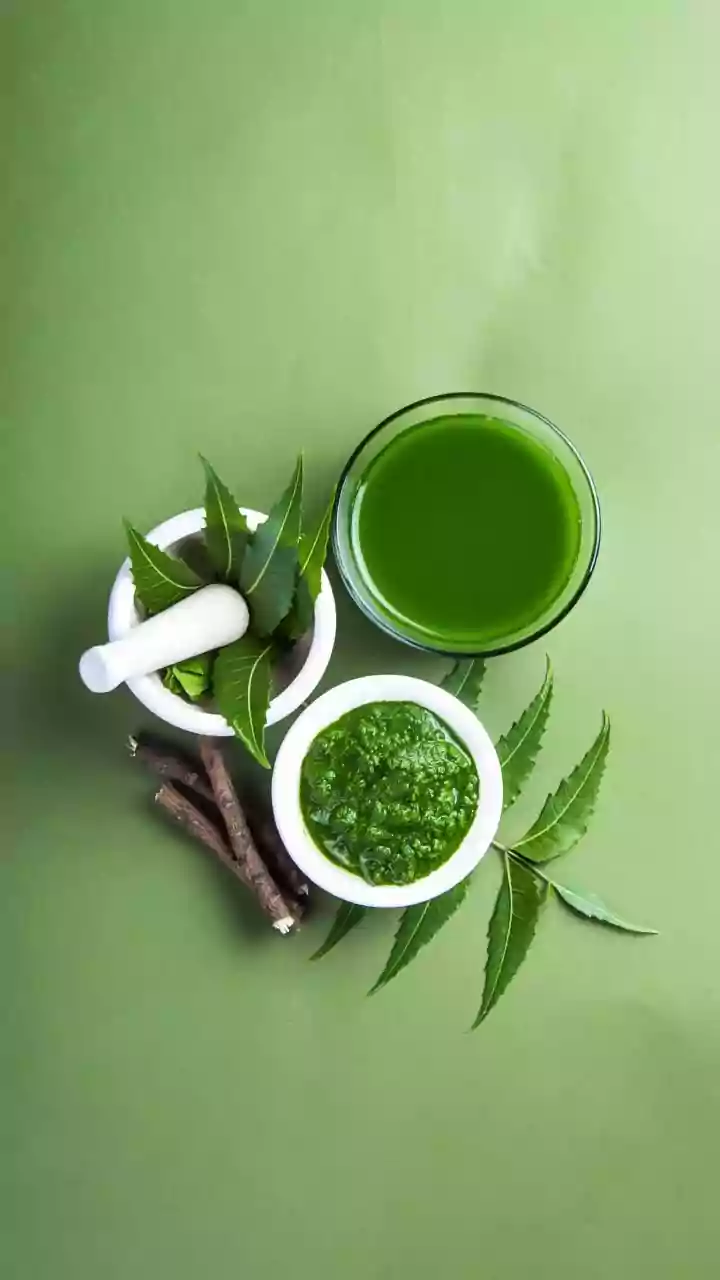
Several herbs, revered in Ayurveda for centuries, are particularly effective at combating pollution-related hair damage. Amla, or Indian Gooseberry, is a powerhouse of Vitamin C and antioxidants, which are crucial for neutralizing free radicals and supporting collagen production for stronger hair. Bhringraj, known as the 'King of Hair', helps improve blood circulation in the scalp, ensuring follicles receive the nutrients they need to thrive. Neem is another hero, with powerful antibacterial and antifungal properties that deeply cleanse the scalp, removing pollutant build-up and preventing infections that can hinder hair growth. Finally, Shikakai acts as a mild, natural cleanser that removes dirt without stripping the hair of its essential protective oils.
How Infusions Protect and Restore
The headline's promise of 'restoring protein balances' is best understood as a process of protection and strengthening. The antioxidants found in herbs like Amla and Guduchi directly counteract the free radicals from pollution, preventing them from breaking down keratin in the first place. Cleansing herbs like Neem and Shikakai effectively wash away the particulate matter that accumulates on the scalp and hair. Furthermore, compounds in these herbs help to soothe scalp inflammation caused by pollutants and can help seal the hair's cuticle. A sealed cuticle acts like a shield, protecting the inner protein structure from future damage and leaving the hair looking smoother and shinier.
Create Your Own Protective Hair Rinse
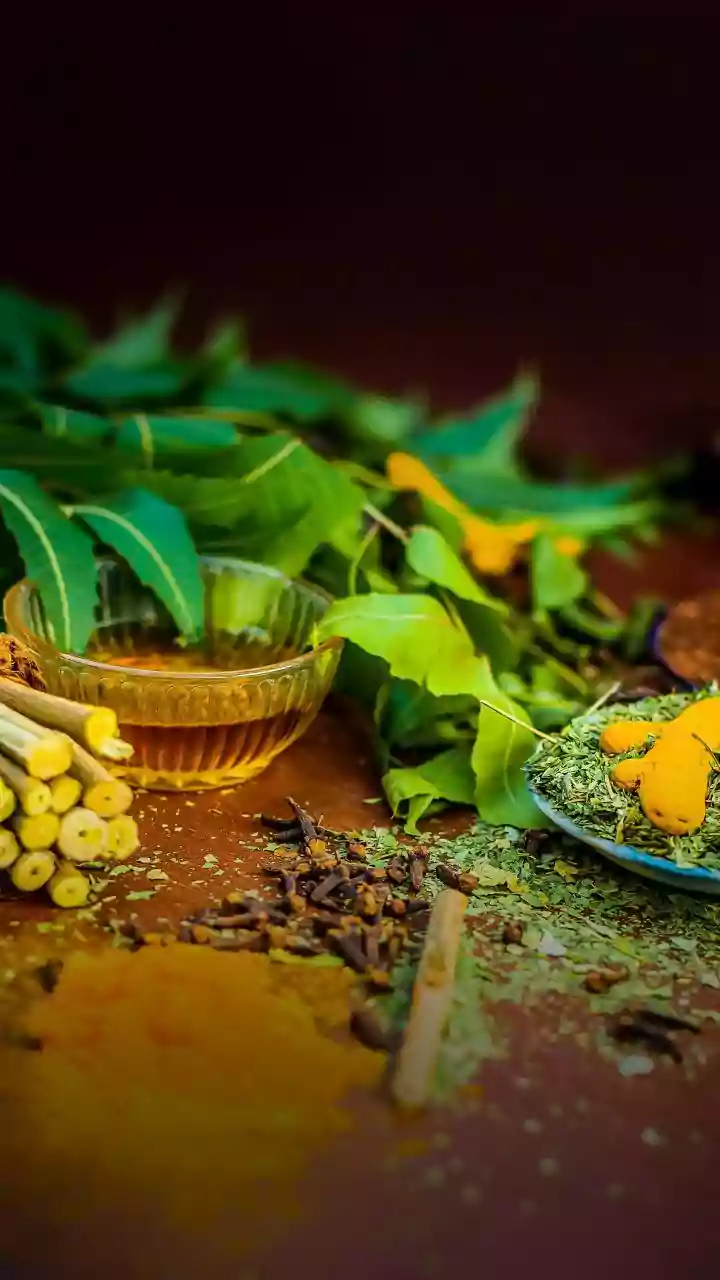
Incorporating this practice into your routine is simple. To create a basic herbal infusion, take two tablespoons of a dried herb or a mix of herbs like Amla powder, dried Bhringraj, and Neem leaves. Steep them in two cups of hot water for at least 20-30 minutes, just as you would a strong tea. Once the infusion has cooled completely, strain the liquid to remove all the plant matter. After shampooing and conditioning your hair, slowly pour the herbal rinse over your scalp and hair, massaging it in gently. You can leave it in for a few minutes before a final rinse with cool water, or for a more intensive treatment, leave it in without rinsing.