






Decode the Weather Alerts
The first step before any monsoon trip is to check the forecast from the India Meteorological Department (IMD). The IMD uses a colour-coded system to help you understand the severity of the weather. A 'Green' alert means all is well, while a 'Yellow'
alert advises you to be aware, as moderate rain could cause minor disruptions. An 'Orange' alert is a sign to be prepared for heavy rainfall that could disrupt transport and power. If you see a 'Red' alert, it means take action. This is the most severe warning, indicating extremely heavy rain with a high risk of flooding and landslides, making travel dangerous. As a rule of thumb, travelling under a red alert is not advisable, and an orange alert warrants serious reconsideration.
Assess Your Destination’s Risks
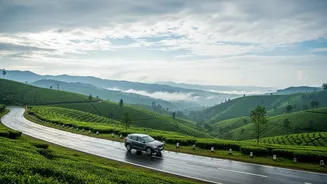
Not all destinations are equal in the monsoon. A city break in a place with good drainage is very different from a trip to the hills or a coastal area. Hilly and mountainous regions, like parts of Uttarakhand, Himachal Pradesh, and the Western Ghats, are prone to landslides and flash floods during heavy downpours. Even popular spots like Lonavala and Khandala can become risky due to slippery ghat roads and falling rocks. Coastal areas can be subject to high winds and rapidly changing conditions. Before booking, research the specific risks associated with your chosen location. If local authorities have issued advisories against travel to that region, it’s wisest to heed their warning. Sometimes, safer alternatives exist that offer a similar monsoon charm with lower risk.
Evaluate Your Travel Route
Getting there is half the battle, and during the monsoon, it can be the most hazardous part. Heavy rain can lead to waterlogged roads, poor visibility, and dangerously slippery conditions. Before you start, check the condition of the highways and local roads on your route. Are there reports of flooding or blockages? Driving at night during a heavy downpour is particularly risky and should be avoided. If you encounter a flooded road, don't try to guess its depth; it’s always safer to turn back. Even train and bus services can be delayed or cancelled due to weather, so it's important to have buffer days in your itinerary and be prepared for disruptions.
The Ultimate 'No-Go' Checklist
Sometimes, the decision to cancel is clear. Here are definitive signs that you should postpone your trip:
- A 'Red' alert has been issued for your destination or a significant part of your route.
- An 'Orange' alert is active, and you are travelling to a landslide-prone hilly area.
- Local authorities have issued official warnings advising against tourism in the area.
- There are widespread reports of road closures, landslides, or severe flooding along your planned journey.
- Your hotel or resort informs you of potential safety issues or inaccessibility.
- You don't have a flexible itinerary. Monsoon travel requires patience and the willingness to change plans at the last minute. If your schedule is tight, a delay could derail your entire trip.
Essential Monsoon Safety Prep
If the forecast looks manageable and you decide to go, preparation is key. Ensure your vehicle is monsoon-ready with good tyres, working wipers, and brakes. Pack waterproof bags for your electronics and documents, along with a raincoat and appropriate footwear. It’s also wise to carry a first-aid kit, insect repellent, and some extra food and water in case of unexpected delays. A power bank can be a lifesaver if power outages occur. Finally, always inform a friend or family member of your itinerary and check in with them regularly.