


The Problem with Maida
Maida, or refined all-purpose flour, is made by milling wheat and stripping it of its most nutritious parts: the bran and the germ. This process removes nearly all the fibre, vitamins, and minerals, leaving behind a fine, white starch. While this gives
baked goods a soft, desirable texture, it comes at a nutritional cost. Foods made from maida have a high glycemic index (GI), causing rapid spikes in blood sugar. Regular consumption is linked to digestive issues like bloating and constipation due to the lack of fibre, as well as an increased risk of weight gain and other chronic health concerns. Often called 'empty calories', maida fills you up without providing meaningful nourishment.
Introducing Heritage Millets
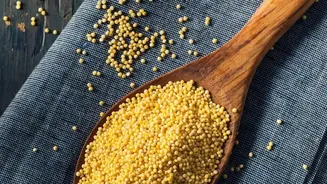
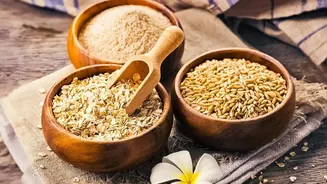
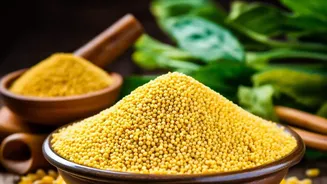
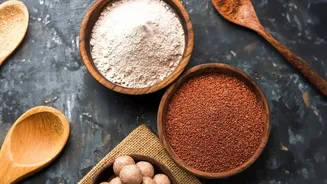
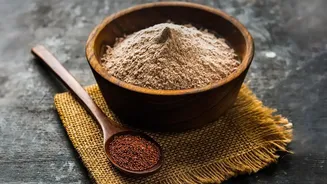
The solution lies not in a new fad but in rediscovering our roots. Heritage millets like jowar (sorghum), bajra (pearl millet), and ragi (finger millet) are ancient grains that have been part of Indian diets for centuries. These nutri-cereals are making a powerful comeback as families seek healthier, more sustainable food choices. Unlike maida, millet flours are made from the whole grain, preserving their natural goodness. They are packed with nutrients, naturally gluten-free, and bring a unique, earthy flavour to a variety of dishes, from traditional rotis to modern pancakes.
A Nutritional Powerhouse for the Family
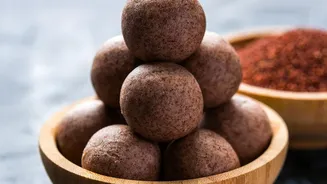
The difference in nutritional value between millets and maida is stark. Millets are a fantastic source of dietary fibre, which is crucial for a healthy digestive system and helps keep you feeling full longer, aiding in weight management. They are also rich in essential minerals that maida lacks. For instance, ragi is celebrated for its high calcium content, vital for bone health in growing children and adults. Jowar is packed with iron and antioxidants, while bajra is a good source of magnesium and protein. These nutrients support everything from sustained energy levels to better heart health and stronger immunity.
The Blood Sugar Advantage
One of the most significant benefits of switching to millets is their impact on blood sugar control. Most millets have a low to medium glycemic index, meaning they release sugar into the bloodstream slowly and steadily. This prevents the sharp sugar spikes and subsequent crashes associated with maida-based foods. For a modern family, this translates to more stable energy levels throughout the day—no more post-lunch slumps for parents or sugar-fueled hyperactivity followed by a crash for kids. For individuals managing or at risk of diabetes, this switch is particularly beneficial for long-term health.
How to Make the Switch Seamlessly
Adopting millet flours doesn't require a complete kitchen overhaul. The key is to start gradually. Begin by mixing a small amount of millet flour, like jowar or ragi, into your regular whole wheat atta for rotis. You can start with a 30:70 millet-to-wheat ratio and slowly increase it as your family gets used to the new taste and texture. For baking, millet flours can sometimes make the final product denser, so you may need to add extra moisture using ingredients like yoghurt, mashed bananas, or milk. Experiment with classic millet dishes like bajra khichdi, ragi dosas, or jowar rotis to explore their delicious potential.