







The Creamy, Healthy Heart of Konkan
The soul of a Konkani curry is undeniably fresh coconut. Unlike many other Indian cuisines that might use dried coconut or pre-packaged milk, Konkani cooking calls for freshly grated coconut, often ground into a paste called 'vatan'. This isn’t just for flavour;
it’s a deliberate choice for health and texture. Fresh coconut provides a luscious, creamy base without the heaviness of dairy or nuts. It is packed with medium-chain fatty acids, which are more easily metabolised by the body, and lauric acid, known for its antimicrobial properties and benefits for brain health and immunity. The use of fresh coconut also adds dietary fibre, which aids digestion. This foundation creates a curry that is both satisfyingly rich and surprisingly light, a hallmark of the region's balanced approach to food.
A Symphony of Aromatic Herbs
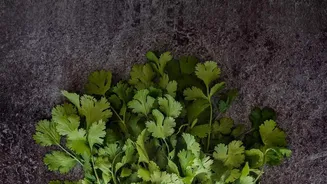
If coconut is the body of the curry, then local herbs and spices are its vibrant spirit. Konkani vegetarian dishes are perfumed with a unique blend of aromatics that go far beyond basic flavours. Curry leaves are a staple, known to stimulate digestive enzymes and help manage blood sugar levels. Fresh coriander adds a cooling balance, while spices like cumin and ginger are essential for aiding digestion. But the cuisine also features unique regional stars like 'tirphal' or 'teppal', a variety of Sichuan peppercorn that lends a distinctive woody, citrusy aroma and a tingling sensation. These herbs are not just afterthoughts; they are chosen for their synergistic effects, contributing antioxidants and anti-inflammatory compounds that make each meal a nourishing experience.
The Tangy Twist of Kokum
A key element that distinguishes Konkani cuisine is its souring agent: kokum. This deep-purple fruit, a member of the mangosteen family, provides a gentle, tangy flavour that cuts through the richness of the coconut base. But its role is far more than just taste. Traditionally used in Ayurveda, kokum is celebrated for its digestive and cooling properties. It is rich in antioxidants and contains hydroxycitric acid (HCA), a compound that has been studied for its potential role in managing appetite and inhibiting fat synthesis. It is also used to make Sol Kadhi, a classic Konkani digestive drink that combines kokum with coconut milk, garlic, and chillies, perfectly illustrating the region's philosophy of food as medicine.
An Ayurvedic Philosophy on a Plate
Ultimately, the celebration of these ingredients is rooted in Ayurvedic principles, which emphasise the balance of six tastes: sweet, sour, salty, pungent, bitter, and astringent. A typical Konkani vegetarian curry masterfully combines these elements. The fresh coconut provides a sweet, nourishing base (madhura rasa). Kokum delivers the sour taste (amla rasa), which stimulates digestion. Chillies and spices like tirphal bring pungency (katu rasa), while various herbs and vegetables can introduce bitter and astringent notes. This balance is believed to support the digestive fire, or 'agni', ensuring that food is not only delicious but also easily assimilated by the body, promoting overall well-being. The focus on seasonal vegetables like raw jackfruit and local greens further aligns the cuisine with the Ayurvedic principle of eating what is fresh and local.