




So, What Is AI Personalization?
Imagine having a personal dermatologist and makeup artist on call 24/7, right in your pocket. That’s the core promise of the AI beauty trend that has everyone talking: hyper-personalization. Gone are the days of one-size-fits-all products designed for
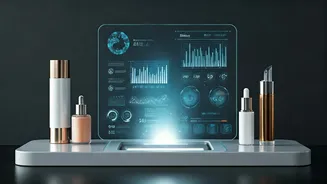
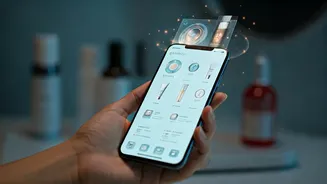
broad categories like 'oily' or 'dry' skin. Instead, this trend uses artificial intelligence to analyze your unique features in incredible detail. By leveraging smartphone cameras and sophisticated algorithms, AI tools can assess everything from your precise skin tone and texture to hidden concerns like fine lines, pore size, sun damage, and hydration levels. The goal is to move beyond generic advice and provide product recommendations, skincare routines, and even custom-formulated products tailored specifically to you.
How Does It Actually Work?
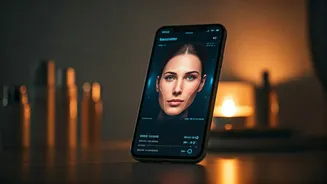
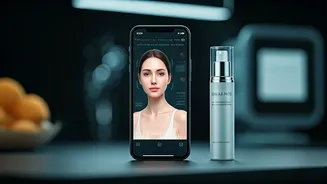
The process is surprisingly simple for the user. It often starts with taking a selfie. An AI-powered app or website then uses computer vision to scan and interpret your facial features, creating a detailed skin analysis in seconds. These AI engines are trained on massive datasets of millions of images, allowing them to recognize a wide range of dermatological conditions and characteristics across diverse skin types and tones. Some platforms even factor in external data like your location's climate and pollution levels. The AI synthesizes all this information to generate a personalized report and a list of recommended products or ingredients, essentially creating a dynamic skincare regimen that can adapt as your skin changes over time.
The Promise: A Perfect Match
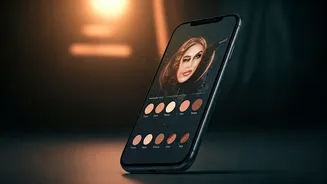
The biggest benefit of AI personalization is the potential to finally find products that truly work for you, saving both time and money. By taking the guesswork out of shopping, it reduces the frustrating cycle of buying and discarding products that aren't a good fit. This technology also powers the popular virtual try-on tools that allow you to test a lipstick shade or foundation without applying it physically. For many, this leads to greater confidence in their purchasing decisions. Brands see a major upside, too. Offering data-backed, personalized plans enhances customer engagement and builds loyalty in a crowded market. It transforms skincare from a reactive practice into a proactive, intelligent approach to managing your skin's health.
The Catch: Privacy and Unrealistic Promises
While the technology is impressive, it's not without its concerns. The most significant issue is data privacy. These apps collect sensitive data, including high-resolution facial images that are often classified as biometric information. Recent lawsuits against major beauty brands have highlighted concerns about how this data is collected, stored, and used, often without truly informed consent from users. There's also the risk of the AI promoting unrealistic beauty standards. If the algorithms are trained on biased data or are designed to aggressively identify 'flaws,' they could negatively impact self-esteem. Furthermore, experts warn that AI-generated visuals used in marketing can sometimes blur the line between what is realistically achievable with a product and what is simply a digital enhancement, creating a risk of false advertising.
Is It The Future of Beauty?
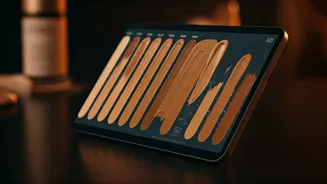
Despite the potential pitfalls, AI-driven personalization is more than just a passing fad; it represents a fundamental shift in the beauty industry. Major companies like Clarins, L'Oréal, and MAC are already integrating these tools, and the technology is becoming increasingly sophisticated. We're seeing AI that can simulate the results of a skincare product on your face before you buy it and even automated devices that can mix a custom foundation formula for you in real-time. The trend is moving towards a future where beauty care is predictive, adaptive, and deeply individual. The human touch isn't being replaced, but rather enhanced by data, giving both consumers and experts smarter tools to work with.