



The Foundation: Lentils and Pulses
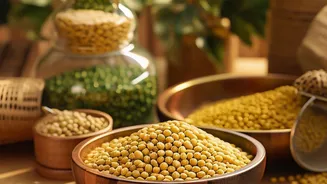
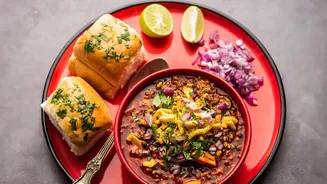
Lentils, or dals, are the cornerstone of protein in most Indian households. While staples like toor (arhar) dal are excellent, diversifying your dal intake can provide a broader range of amino acids and micronutrients. For instance, uncooked moong dal and masoor
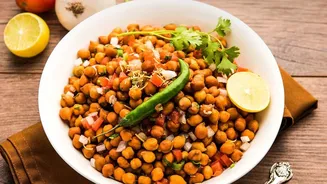
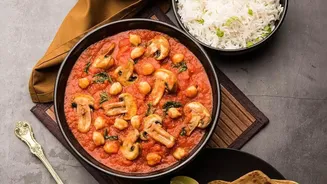
dal contain around 24 grams of protein per 100 grams. Urad dal, the key to fluffy idlis and crisp dosas, also packs about 24-25g of protein per 100g raw serving. Don't overlook legumes like rajma (kidney beans) and chana (chickpeas), which are not only protein powerhouses but also rich in fibre, promoting satiety and digestive health. A single katori of cooked dal can provide 7-10 grams of protein, so including it in two meals a day builds a strong protein base.
The Power Flour: Sattu
Hailing from Bihar, sattu is a superfood that has been a well-kept secret for too long. This roasted gram flour is a nutritional powerhouse, containing roughly 20-25 grams of protein per 100 grams. Often called 'the local protein shake', sattu is incredibly versatile. It can be mixed with water, salt, and lemon for a cooling and hydrating summer drink that provides sustained energy, making it an excellent pre-workout or breakfast option. Its high fibre content aids digestion and keeps you feeling full for longer, supporting weight management. Because the roasting process makes its nutrients more bioavailable, sattu is an efficient way to boost your protein intake.
The Ancient Grains: Millets
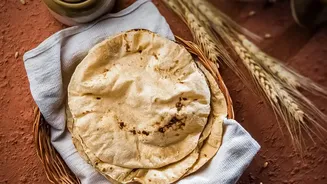
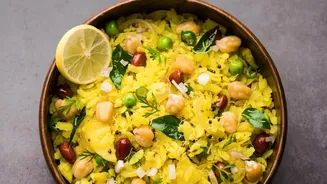
Millets are making a major comeback, and for good reason. These ancient grains are not just gluten-free but are also a good source of plant protein and essential minerals. Varieties like bajra (pearl millet) offer about 11-12g of protein per 100g, while jowar (sorghum) contains around 10g. Ragi (finger millet), famous for its high calcium content, also contributes to your daily protein goals. Swapping refined wheat or rice for millets in your rotis, porridges, or khichdi is an easy way to enhance the nutritional profile of your meals. They provide complex carbohydrates that release energy slowly, ensuring you stay active and full.
The Unsung Heroes: Nuts and Seeds
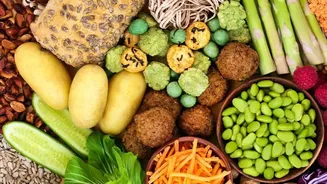
Often relegated to snacks or garnishes, nuts and seeds are dense sources of protein, healthy fats, and other micronutrients. Pumpkin seeds lead the pack with an impressive 30g of protein per 100g, which is more than chicken. Peanuts, the most affordable and accessible nut, provide about 25-26g of protein per 100g. Almonds, flaxseeds (alsi), and sesame seeds (til) are also excellent sources, containing between 17g and 21g of protein per 100g. A handful of roasted peanuts or seeds as a mid-day snack, or adding a spoonful of flaxseed powder to your curd or roti dough, can significantly increase your protein consumption without much effort.
Dairy and Beyond
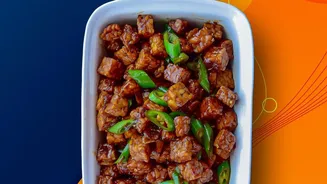
While paneer is a well-known vegetarian protein source with about 18g per 100g, other dairy products are just as valuable. Hung curd, or Greek yogurt, nearly doubles the protein content of regular curd, offering around 10g per 100g along with beneficial probiotics. For those exploring plant-based options, soy products are a fantastic addition. Tofu, made from soybeans, is a versatile ingredient that absorbs Indian spices beautifully. Soya chunks are one of the most concentrated sources of plant protein available, providing about 52g per 100g (uncooked), making them an excellent choice for curries and pulaos.