





The Brewing Cultural Shift
Across India's urban centres, a significant change in beverage preference is taking place. While tea remains a national staple, the coffee landscape, long dominated by the ease and affordability of instant brands like Nescafé and Bru, is being reshaped.
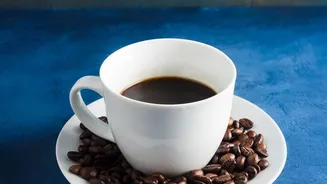
Younger, more globally-exposed consumers, particularly Millennials and Gen Z, are no longer content with just a quick caffeine hit. They are seeking a more sophisticated and flavourful experience, leading to a surge in demand for high-quality, freshly brewed coffee. This shift is visible in the explosion of artisanal cafes and roasteries in cities like Mumbai, Delhi, and Bengaluru, which prioritize the quality and origin of their beans. Market data confirms this trend, with the specialty coffee sector in India showing robust growth, projected to expand at a compound annual growth rate (CAGR) of over 13% between 2026 and 2033.
From Commodity to Craft
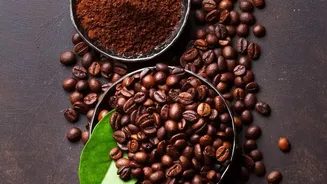
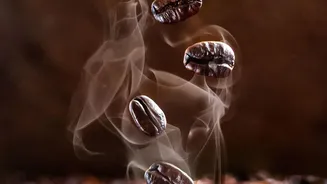
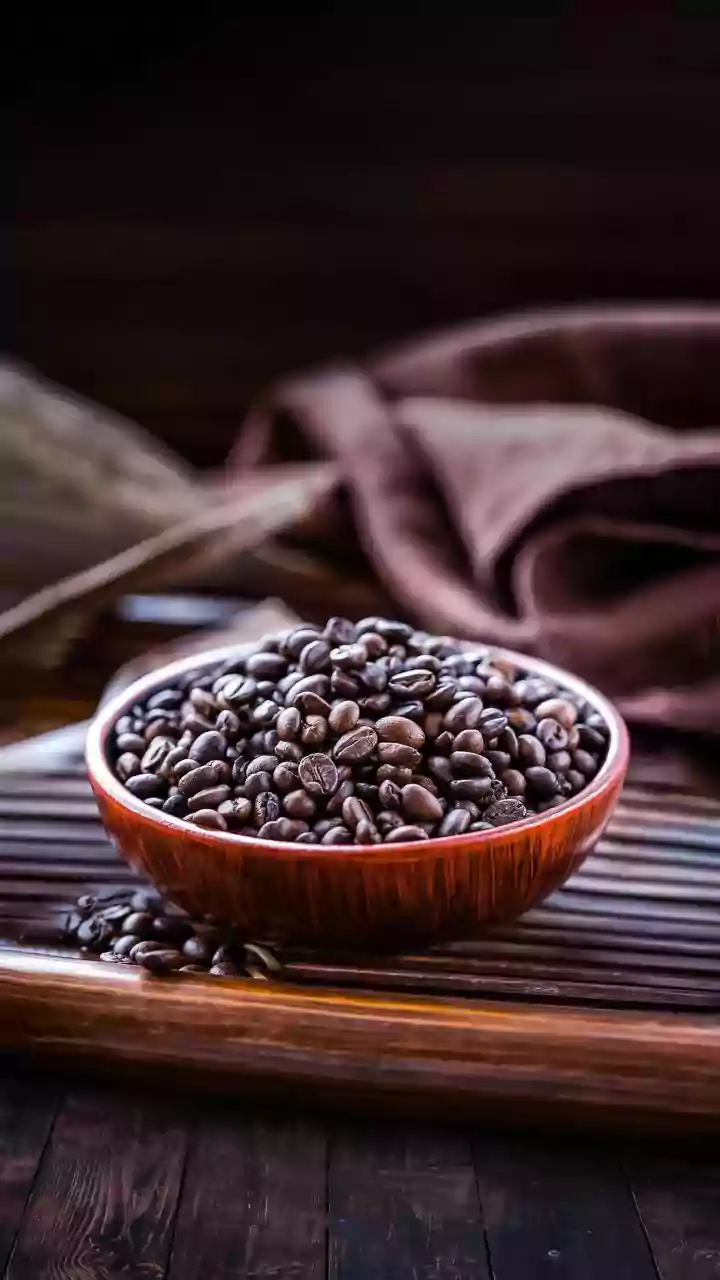
So, what exactly is 'specialty coffee'? Unlike the mass-produced beans used for instant coffee, specialty coffee is defined by its superior quality, distinctive flavour, and traceability. It’s about knowing the entire journey of the bean, from the specific estate where it was grown to the precise method of roasting and brewing. This farm-to-cup philosophy celebrates the unique characteristics imparted by the soil, climate, and processing methods of a single origin. Connoisseurs speak of tasting notes like chocolate, fruit, or flowers, a vocabulary once reserved for wine. This move from a generic commodity to a carefully crafted product is at the heart of the revolution, transforming a daily habit into an experiential ritual.
The Millennial and Gen Z Effect
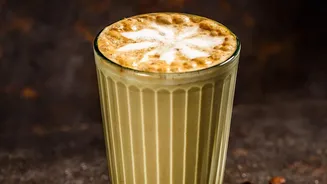
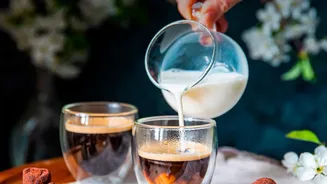
The driving force behind this movement is a demographic that values authenticity, quality, and experiences over mass-market convenience. For young Indians with rising disposable incomes, coffee is more than just a drink; it's a lifestyle statement. The aesthetic appeal of latte art, the ritual of a pour-over, and the social currency of visiting a trendy new roastery are all amplified by social media. This generation is more curious about where their food comes from and is willing to pay a premium for products with a clear story and ethical sourcing practices. This has fueled not only the rise of cafes but also a burgeoning at-home brewing culture, with enthusiasts investing in grinders, AeroPresses, and French presses to recreate the cafe experience themselves.
Reclaiming India's Coffee Heritage
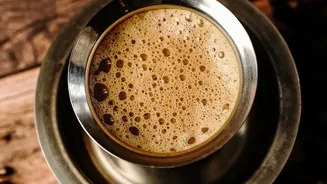
While this trend feels modern, it's also a rediscovery of India’s own rich coffee heritage. The country is the world's seventh-largest coffee producer, with a history stretching back to the 17th century. For years, much of India's best-quality Arabica was exported. Now, homegrown brands like Blue Tokai, Araku Coffee, and Maverick and Farmer are putting the spotlight back on Indian estates. Regions like Chikmagalur and Coorg in Karnataka, and the Araku Valley in Andhra Pradesh, are becoming celebrated names among coffee lovers. This has created a sense of national pride, with consumers actively choosing to support local farmers and roasters. The trend has also spurred a rise in coffee tourism, with estates offering tours and homestays for an immersive bean-to-cup experience.