




The Pillars of Parsi Cuisine
Parsi cooking is a unique and flavourful tapestry woven from Persian roots and Gujarati influences. After migrating to India's shores over a thousand years ago, the Parsi community blended their ancestral Persian love for meat, nuts, and dried fruits
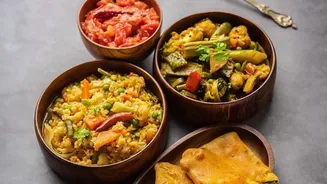
with the local ingredients of Gujarat. This fusion created the cuisine's signature 'khattu-mithu' (sweet and sour) taste profile. Dishes are often characterized by a delicate balance of spices, with staples like ginger, garlic, turmeric, and cumin forming the foundation. While meat, fish, and eggs are central to many iconic Parsi meals like Dhansak (lentil and meat stew) and Patra Ni Machchi (steamed fish in banana leaves), the cuisine also has a rich, though less discussed, vegetarian side.
Enter the Versatile Kathal
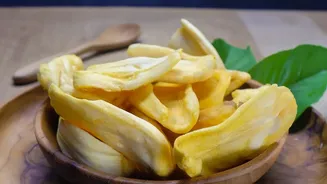
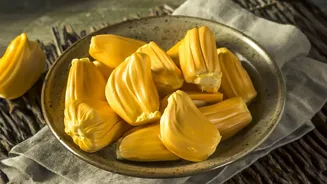
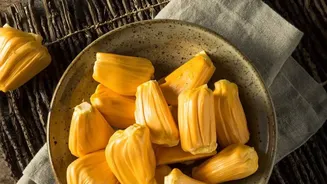
Across India, raw jackfruit, or kathal, is celebrated for its remarkable texture that mimics shredded meat when cooked. This has made it a favourite in countless regional dishes, from curries and biryanis to koftas. Its ability to absorb bold flavours makes it a perfect canvas for spices. While not traditionally a frontline ingredient in Parsi kitchens, kathal's 'meaty' quality makes it an ideal candidate for vegetarian interpretations of classic non-vegetarian dishes. It offers a way to extend the core Parsi flavours to a wider audience, including vegetarian family members or guests, without compromising on the heartiness of the meal.
A Perfect Match of Flavours
So, how does kathal fit into the Parsi palate? The answer lies in its neutrality and texture. The robust, fibrous flesh of raw jackfruit is the perfect vehicle for the complex Parsi masalas. The signature sweet and sour notes, often achieved with vinegar, jaggery, or sugar, are absorbed beautifully by the jackfruit, which takes on the character of the gravy it's cooked in. Think of a classic Parsi mutton or chicken curry; now, imagine the tender, spice-soaked kathal taking the place of the meat. The result is a dish that is deeply familiar in its flavour profile yet offers a completely plant-based experience. It’s an example of how a historic cuisine can evolve by embracing local ingredients to create something new yet authentic.
Parsi-Style Kathal Masala: The Recipe
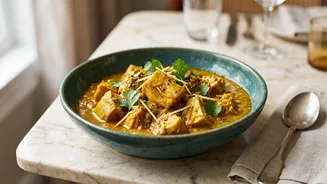
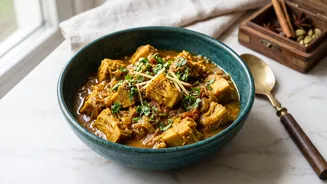
This recipe channels the spirit of Parsi cooking, applying its signature techniques to kathal. The key is to first lightly fry the jackfruit to give it a better texture before adding it to the masala. Ingredients: 500g raw kathal (jackfruit), cleaned and cubed; 2 large onions, finely sliced; 2 large tomatoes, pureed; 1 tbsp ginger-garlic paste; 2 tbsp oil or ghee; 1 tsp cumin seeds; 1 tsp turmeric powder; 1 tsp red chilli powder; 1 tbsp coriander powder; 1 tsp garam masala; 1 tbsp sugarcane vinegar (or to taste); 1 tsp sugar or jaggery; Salt to taste; Fresh coriander for garnish.
Method to Make It
1. Prepare the kathal by boiling the cubes in salted water with a pinch of turmeric for about 10-15 minutes until just tender. Drain and set aside.2. Heat oil or ghee in a pan. Lightly fry the boiled kathal pieces until they are golden brown on the edges. This step is crucial for texture. Remove from the pan and set aside.3. In the same pan, add the cumin seeds. Once they splutter, add the sliced onions and fry until they are soft and golden brown.4. Add the ginger-garlic paste and sauté for a minute until fragrant. Then, add the tomato puree and cook until the oil starts to separate from the masala.5. Stir in the turmeric, red chilli powder, and coriander powder. Cook for another minute. 6. Return the fried kathal pieces to the pan. Add salt, sugar/jaggery, and vinegar. Mix everything well to coat the kathal in the masala. 7. Add about a cup of water, bring to a simmer, then cover and cook on low heat for 10-15 minutes, allowing the kathal to fully absorb the flavours. 8. Finish by stirring in the garam masala and garnishing with fresh coriander leaves.
How to Serve
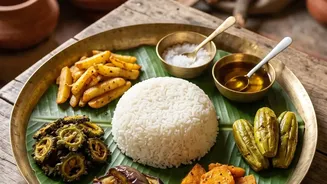
Parsi-style kathal masala is best enjoyed hot, just like its meat-based counterparts. Serve it with soft chapatis, rotis, or the classic Parsi favourite, pav (soft bread rolls), to soak up the delicious gravy. It can also be served as a hearty side dish alongside a simple dal and steamed rice. For a complete Parsi-inspired vegetarian meal, you could pair it with a kachumber (a simple salad of chopped onions, tomatoes, and cucumber) and a side of Parsi-style scrambled eggs, known as Akuri, for those who eat eggs. This dish stands as a testament to the adaptability and enduring appeal of Parsi flavours.