




A Taste of Home, Anywhere
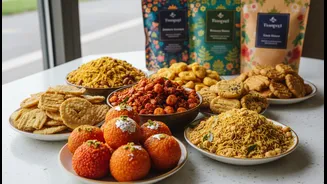
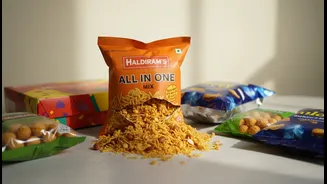
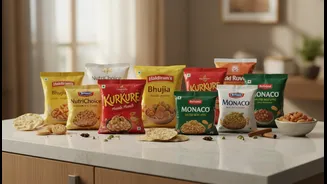
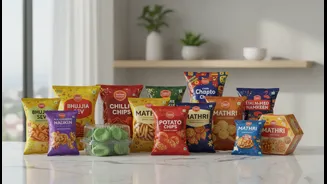
The initial push for Indian snack brands beyond national borders was driven by a simple, powerful emotion: nostalgia. For the millions of Indians living abroad, the distinct taste of bhujia, namkeen, or papad is a direct line to home. Companies like Haldiram's,
which started exporting to US as early as 1993, and Bikaji were among the first to recognise this captive market. They followed the Indian diaspora to the UK, Middle East, US, and Canada, ensuring that a taste of home was never more than a grocery run away. This diaspora-first strategy created a stable foundation, establishing a strong presence in ethnic grocery stores and building brand loyalty among a community actively seeking authentic Indian products. These brands became cultural ambassadors, offering comfort and connection in a packet.
Beyond the Diaspora: The Crossover Appeal
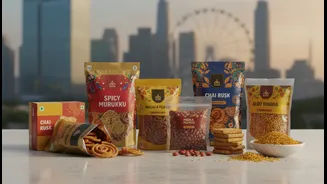
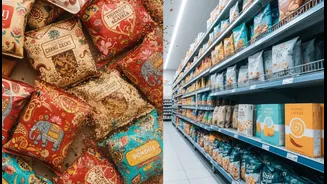
While the diaspora was the gateway, the ambition of these brands quickly grew. The goal shifted from simply serving Indians abroad to winning over international consumers. This meant moving from the 'ethnic' aisle to the mainstream snack section. Brands realised that global palates were becoming more adventurous, actively seeking the bold, spicy, and complex flavours that define Indian snacks. People were tired of plain salted chips and ready for something new. This growing curiosity, combined with the perception of many Indian snacks as healthier plant-based or gluten-free options, created the perfect opportunity for crossover success. As a result, brands like Bikaji now export to over 40 countries, finding space in major retail chains like Walmart and Lulu.
The Art of Local Adaptation
Winning over a global audience isn't just about shipping the same products everywhere. The most successful brands have mastered the art of adaptation. This can mean tweaking spice levels for regional tastes or developing entirely new products. Haldiram's, for example, is known for adapting its offerings to suit local preferences while retaining its core authenticity. This strategy also involves significant innovation in packaging to ensure extended shelf life and freshness, allowing them to compete with global snack giants. Sometimes, adaptation means creating fusion products, like Cornitos' Tikka Masala flavoured nachos, which blend familiar formats with Indian tastes to appeal to a wider demographic. Another approach is seen in PepsiCo's collaboration with Tata to create snacks that combine Indian spice profiles with Western formats, explicitly targeting younger global consumers.
How Global Success Is Reshaping India's Market
This international journey is having a profound impact back home. The success abroad has given Indian brands the confidence and capital to innovate domestically. They are bringing back lessons learned from global markets. This 'reverse influence' can be seen in the introduction of new flavours, healthier options like low-oil or millet-based snacks, and world-class packaging standards in the Indian market. As Indian consumers become more globally aware, their expectations change. They now demand the same quality, variety, and innovation they see from their favourite brands overseas. This trend is pushing the entire domestic industry to up its game, from improving hygiene standards to experimenting with fusion products that might have once been considered too niche for the local palate. The global success of these brands is not just an export story; it's a catalyst for the evolution of Indian food itself.