


From Nostalgia to Nutrition
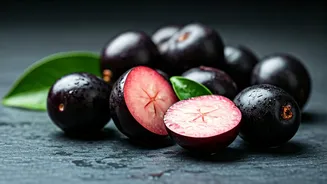
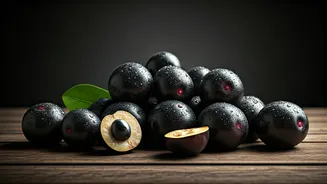
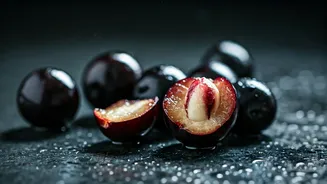
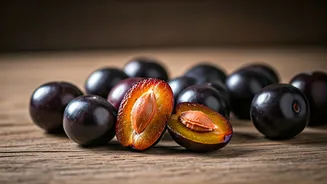
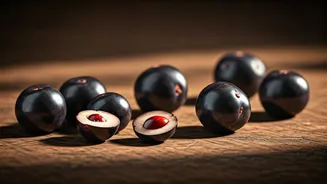
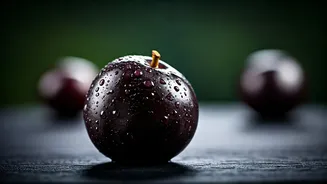
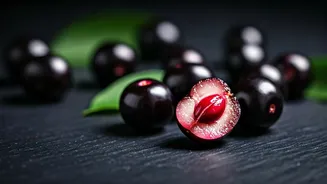
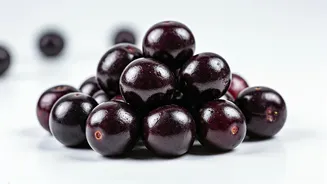
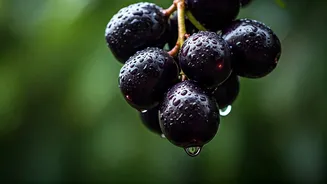
For generations, the jamun, or black plum, was a simple pleasure. Its arrival heralded the monsoon, and its sharp, sweet-astringent taste was the flavour of the season. We ate them by the handful, often with a pinch of black salt, unconcerned with anything
beyond their immediate deliciousness. But now, this nostalgic favourite is being rediscovered by a new generation, not just for its taste, but for its impressive credentials as a nutritional powerhouse. What was once just a seasonal fruit is now being hailed as a 'desi superfood', finding its way into diet plans, wellness blogs, and the menus of health-conscious cafes. This isn't just about fond memories; it's a revival powered by science and a renewed appreciation for local, seasonal eating.
The Science Behind the Superfruit
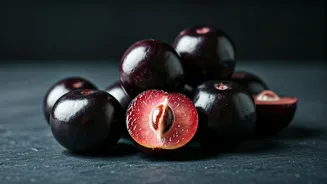
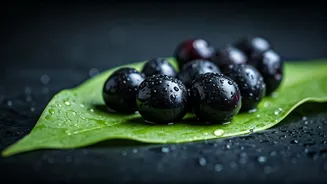
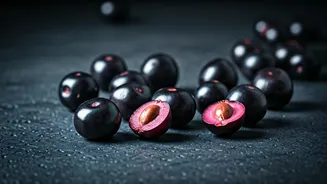
The secret to jamun's modern-day fame lies in its remarkable health profile. One of its most celebrated benefits is its low glycemic index, which makes it particularly beneficial for managing blood sugar levels. For this reason, jamun powder and vinegar have long been staples in traditional diabetic diets. But the benefits don't stop there. The fruit is packed with antioxidants, particularly anthocyanins, which are responsible for its deep purple colour and help fight cell-damaging free radicals. It's also a good source of Vitamin C, iron, potassium, and magnesium, contributing to better immunity, haemoglobin production, and heart health. This potent combination of nutrients explains why dietitians and wellness experts are increasingly recommending we move jamun from the periphery of our diet to the centre of our fruit bowls.
A Culinary Renaissance
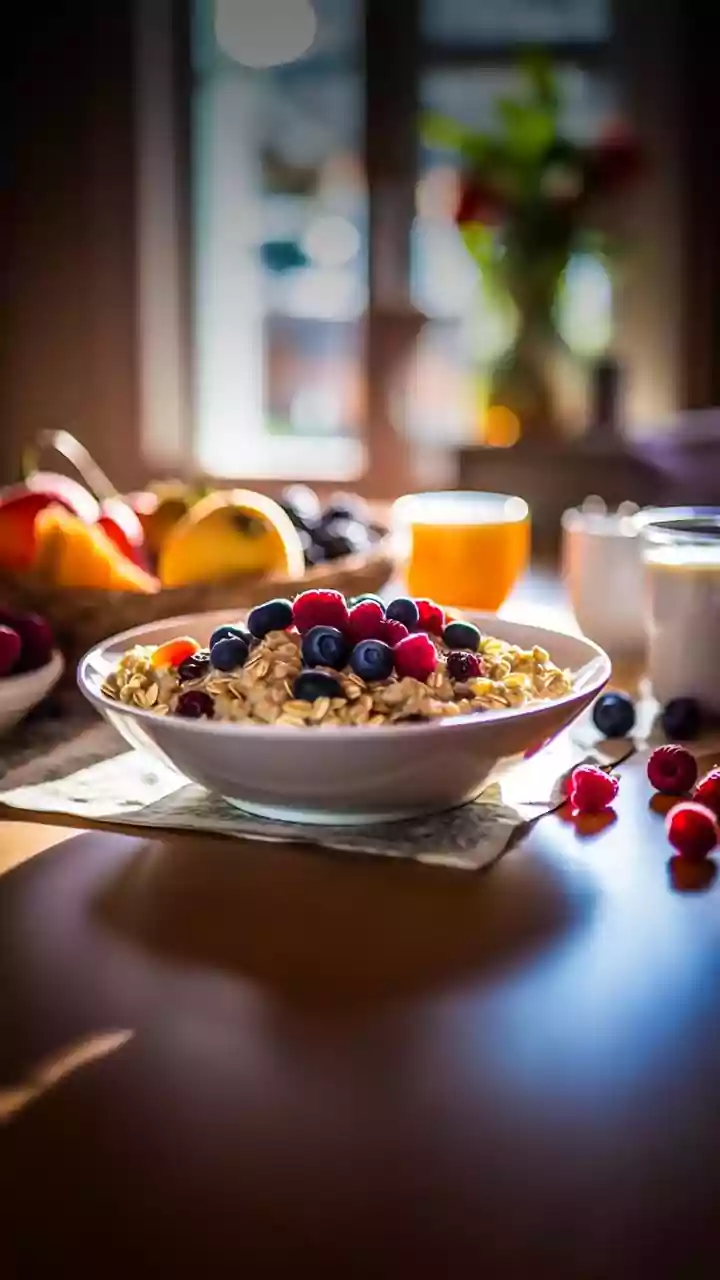
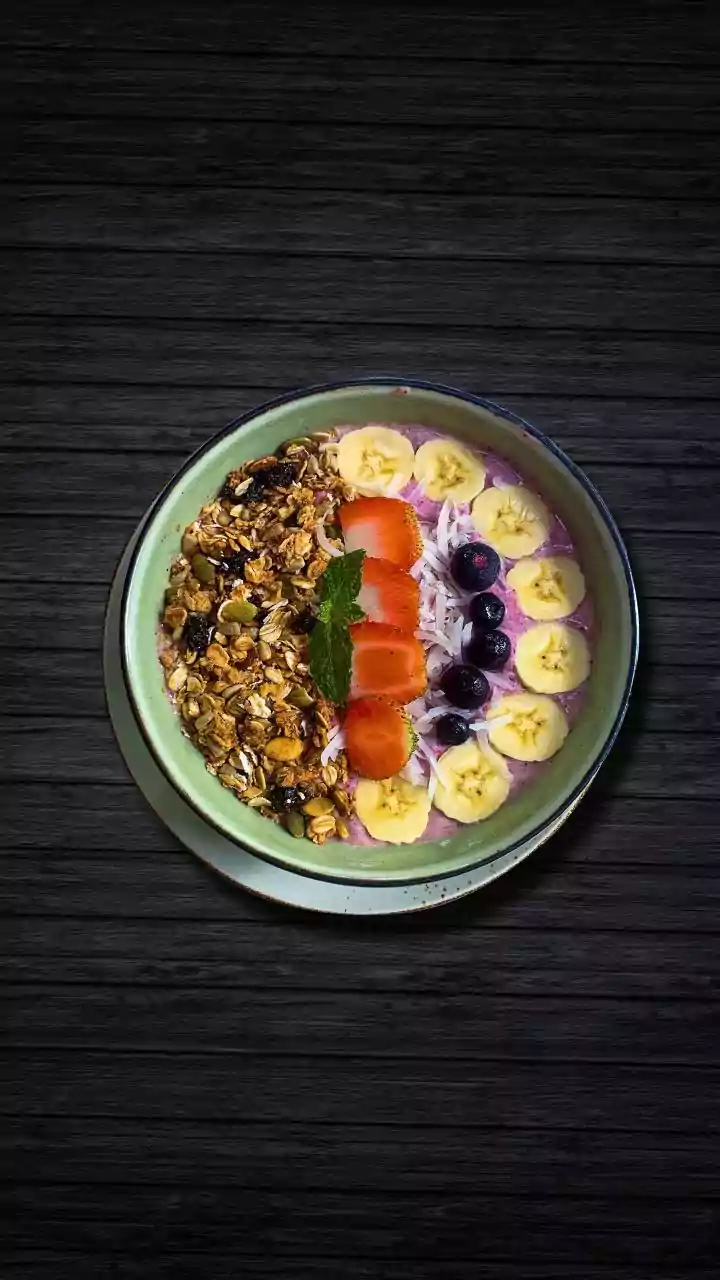
Perhaps the most exciting part of the jamun's comeback is its journey beyond the fruit bowl. Chefs and home cooks are reimagining this versatile fruit in ways that go far beyond eating it raw. The tartness of jamun lends itself beautifully to both sweet and savoury preparations. We're now seeing artisanal jamun jams, tangy chutneys, and vibrant purple smoothies. Its juice is being used to create refreshing sorbets, popsicles, and even craft cocktails. In the health food space, jamun vinegar is gaining popularity as a salad dressing base, while dehydrated jamun powder is being added to yogurt and breakfast bowls. Some innovative chefs are even incorporating a jamun reduction as a glaze for meats or a sauce for savoury dishes, proving that its culinary potential is as rich and deep as its colour.
The Local Superfood Advantage
Jamun's resurgence is also part of a larger, more meaningful trend: the celebration of indigenous Indian ingredients. For years, the wellness world was dominated by imported superfoods like quinoa, kale, and goji berries. While these are healthy, there's a growing movement to look within our own borders for nutritional champions. Jamun is a prime example of this 'vocal for local' philosophy. It's affordable, widely available during its season, and perfectly suited to our climate and bodies. By embracing jamun, we're not just making a healthy choice; we're reconnecting with our agricultural heritage and reducing our carbon footprint. It’s a delicious reminder that sometimes, the best wellness trends aren't new discoveries, but old wisdom waiting to be rediscovered.