
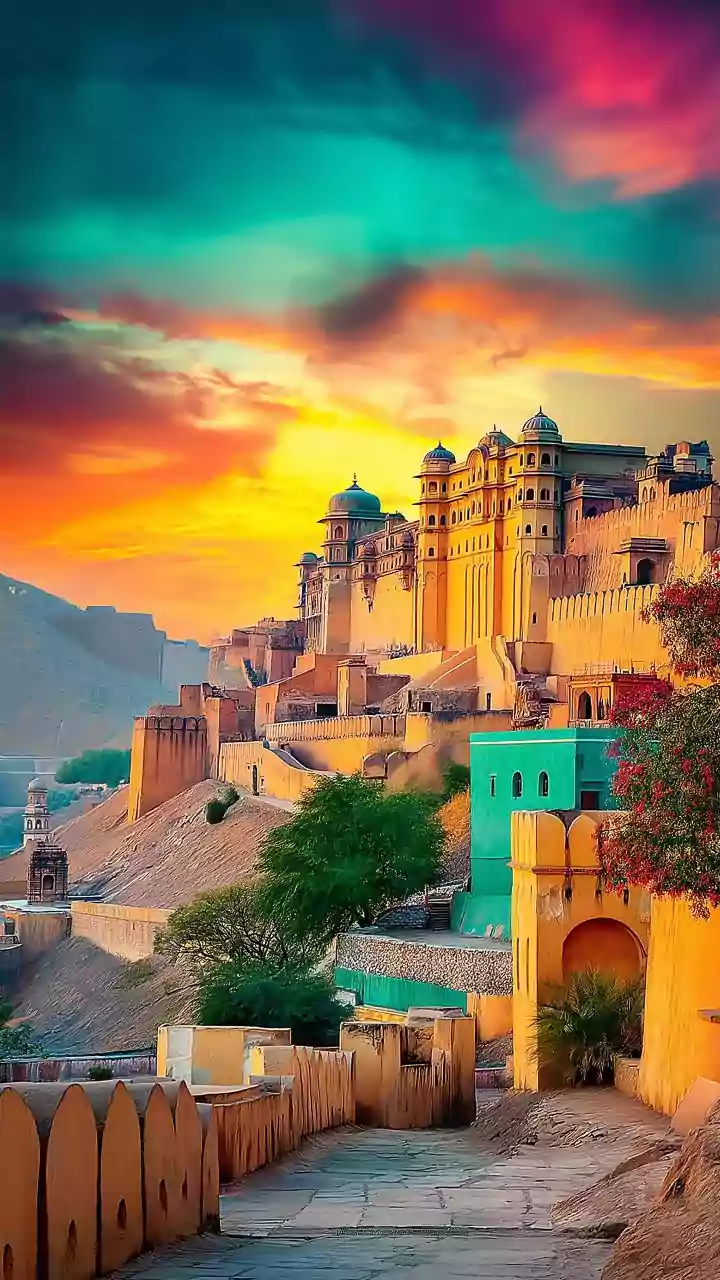
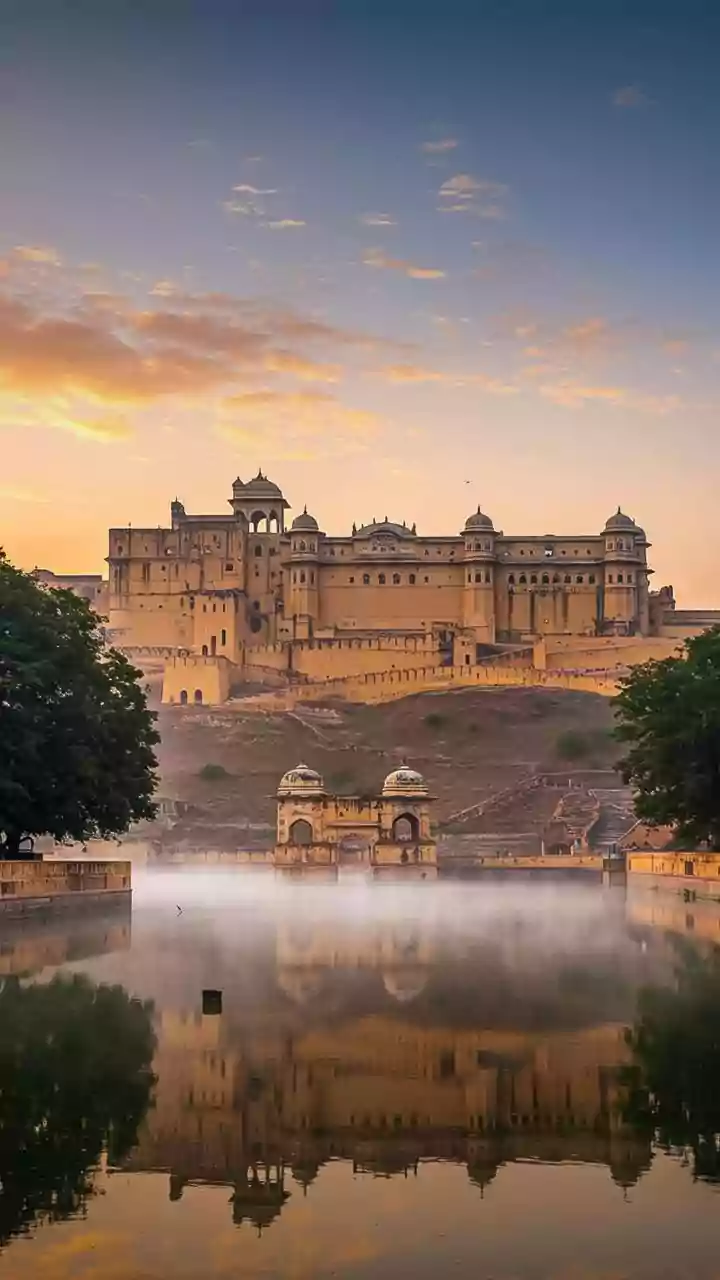
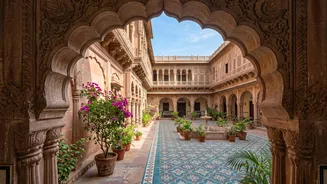
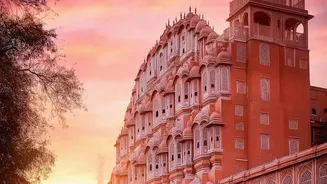
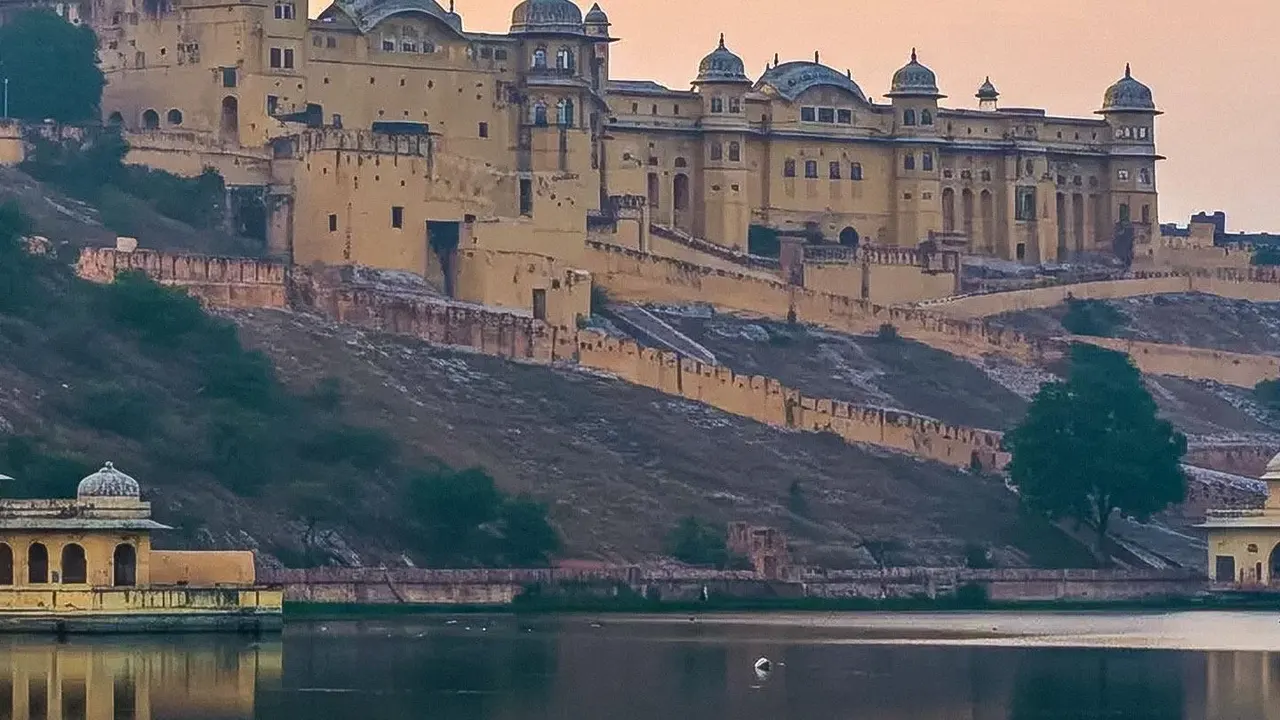
Jaipur's majestic forts and palaces are legendary, but the city's true soul awakens in winter. Beyond the grand facades, a world of vibrant markets, serene temples, and unique wildlife encounters awaits the curious traveller.
Embark on an Urban Leopard Safari
Just a short drive from the
city centre lies Jhalana Leopard Reserve, a remarkable urban wilderness. Winter is the prime time for a safari here, as the cooler temperatures mean the park's elusive leopards are more active during the day. With vegetation thinned out after the monsoon, the chances of spotting these magnificent big cats basking on rocky outcrops or strolling through the dry forests are exceptionally high. Unlike major national parks, Jhalana is open year-round, but the comfortable weather and peak animal activity from November to February make it a can't-miss winter experience. Safaris in open-air jeeps offer a thrilling opportunity to see leopards, blue bulls, hyenas, and a variety of migratory birds that flock to the reserve in winter.
Explore the Sacred Galtaji Temple
Tucked away in a narrow gorge in the Aravalli Hills, Galtaji is a historic Hindu pilgrimage site often called the 'Monkey Temple'. This complex of pink sandstone temples, pavilions, and sacred water tanks (kunds) is fed by a natural spring. The pleasant winter climate is perfect for exploring the site, which requires some walking. It's a serene escape from the city's hustle, where you can observe pilgrims taking holy dips and interact with the large troops of rhesus macaques that call the temple home. While the site is fascinating year-round, visiting between October and March provides the most comfortable weather for enjoying its unique spiritual atmosphere and architectural beauty.
Descend into a Geometric Wonder
While Amber Fort gets most of the attention, a short distance away lies Panna Meena ka Kund, a stunning 16th-century stepwell. This hidden gem is a masterpiece of symmetrical architecture, with crisscrossing staircases that form a mesmerizing geometric pattern. Originally built as a community gathering spot and a way to access water in the dry season, it now serves as a tranquil and highly photogenic location. The winter months, particularly from October to March, offer the best conditions for a visit, with comfortable temperatures and soft light that beautifully highlight the stepwell's design. It’s a quick but rewarding stop that provides a glimpse into the ingenious water management systems of historic Rajasthan.
Savour the Flavours of Winter
Jaipur's culinary scene comes alive in winter, offering a range of warming and delicious seasonal specialties. This is the perfect time to embark on a food tour through the old city's winding lanes. Seek out classic Rajasthani winter dishes like hearty 'dal baati churma' or the rich, spicy 'laal maas'. Many street food stalls and traditional sweet shops offer 'gajar ka halwa' (carrot pudding) and other warming desserts like 'ghevar'. The cool evening air makes it a delight to sip on a hot cup of 'masala chai' from a clay 'kulhad' while exploring the bustling markets. A guided food walk can introduce you to iconic local eateries and the stories behind Jaipur's famous dishes.
Discover Living Artisan Traditions
Go beyond just shopping for handicrafts and see where they are made. The villages of Sanganer and Bagru, located on the outskirts of Jaipur, are famous for their centuries-old block printing traditions. Winter is an excellent time for a day trip to these artisan communities. Here, you can visit workshops and watch master craftspeople at work, meticulously hand carving wooden blocks and printing intricate patterns on textiles using natural dyes. Many workshops, including those facilitated by the Anokhi Museum of Hand Printing, offer immersive experiences. It's a fascinating opportunity to understand the skill and patience behind Jaipur's world famous textiles and support these sustainable, generational crafts directly.