





Jamun (Indian Blackberry)
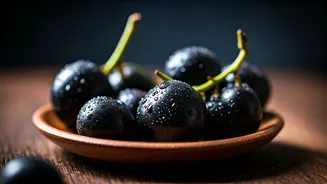
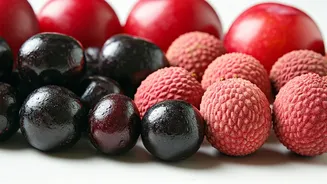
The quintessential monsoon fruit, Jamun, reaches its peak in July. Its deep purple colour and unique sweet-tart flavour are a nostalgic treat for many. Beyond its distinctive taste that leaves a purple stain on your tongue, Jamun is a powerhouse of nutrients.
It is rich in iron, vitamin C, and antioxidants that help boost immunity, which is particularly useful during the rainy season when infections are common. Traditionally valued in Ayurveda for its cooling properties and role in digestive health, it's an excellent choice to combat the humidity. Look for firm, deeply coloured fruits and enjoy them with a pinch of black salt for an extra tangy kick.
Litchi
While the litchi season begins in the hot summer months, it extends into the early part of the monsoon, making July a great time to enjoy this fragrant fruit. Known for its rough, reddish-brown skin and the sweet, translucent flesh inside, litchi is a refreshing delight. Grown primarily in states like Bihar and West Bengal, this juicy fruit provides a burst of energy. Litchis are an excellent source of Vitamin C and potassium, supporting both your immune system and overall well-being. When buying litchis, choose ones that are firm, bright in colour, and have a fragrant smell. They are perfect for eating fresh but can also be used in desserts and drinks.
Plums (Aloo Bukhara)
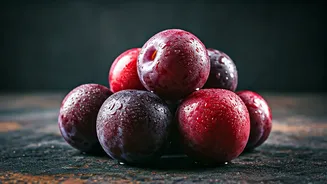
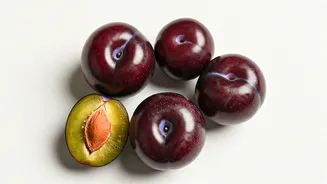
Plums, or Aloo Bukhara, are another star of the monsoon season. These beautiful stone fruits, with their smooth skin and juicy, tangy flesh, are a welcome sight in July. They are a fantastic source of dietary fibre, which aids digestion—a common concern during the monsoon. Plums are also packed with antioxidants and Vitamin C. While they are grown in the hill states like Himachal Pradesh, they make their way across the country during this period. Their season is relatively short, so it's wise to grab them while you can. They can be eaten fresh, or used to make delicious jams and sauces.
Peaches (Aadoo)
Peaches are a delightful summer-to-monsoon transition fruit, with their availability peaking around this time, particularly from the northern states of India. With their fuzzy skin and sweet, fragrant, golden flesh, peaches are a true treat. They are not just delicious but also a good source of vitamins A and C, as well as fibre. Peaches can help support your immune system and are great for your skin. When selecting peaches, look for ones that have a fragrant aroma and give slightly to a gentle squeeze. Enjoy them as a simple snack, sliced into salads, or grilled for a warm dessert.
Cherries
The short but glorious cherry season often extends into the beginning of the monsoon, making them a precious find in July. These vibrant red jewels are known for their sweet and slightly tart flavour. Cherries are packed with antioxidants and anti-inflammatory compounds, making them a healthy indulgence. They are typically grown in the cooler climes of India's hill states. While delicious on their own, cherries are also a versatile ingredient in pies, tarts, and other desserts. Their fleeting presence makes them one of the most anticipated fruits of the season.
Pomegranate (Anar)
While pomegranates are available for a large part of the year, their quality is often considered to be at its best during the monsoon season. The glistening red seeds, known as arils, are packed with juice and flavour. Pomegranates are celebrated for their numerous health benefits, including being rich in antioxidants and vitamins that can help boost your immunity. The anti-inflammatory properties of pomegranate juice are also widely recognised. They are a great addition to salads, yoghurt, or can simply be eaten on their own for a healthy and refreshing snack.