





A Different Side of Hampi
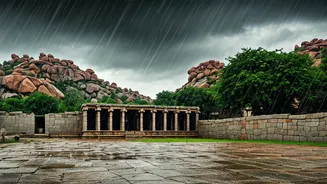
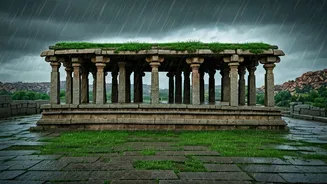
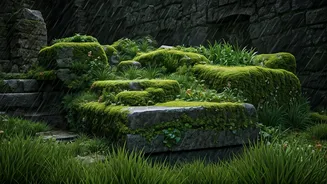
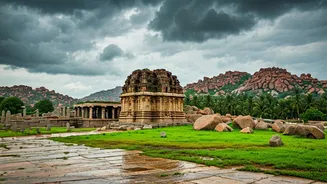
Typically visited in the cooler, dry winter months, the UNESCO World Heritage Site of Hampi takes on a completely different character from July to September. The monsoon season breathes new life into the arid landscape, turning the region into a vibrant
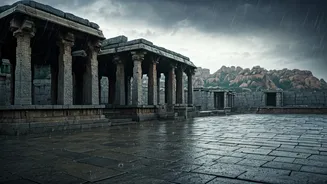
canvas of green. The ever-present boulders are slick with rain, mosses appear in crevices, and the Tungabhadra River, often gentle, swells with monsoon waters. This transformation does more than just change the scenery; it changes the entire atmosphere. The usual crowds thin out, leaving the sprawling ruins of the Vijayanagara Empire in a state of tranquil solitude. For travellers who prefer introspection and a deeper connection with a place, this is Hampi at its most poetic and serene.
The Whispering Ruins Reimagined
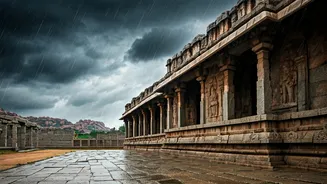
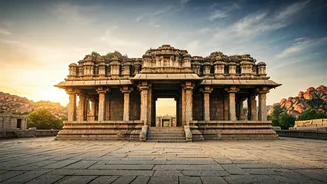
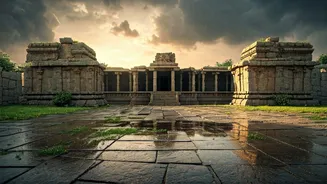
The architectural marvels of Hampi feel different under dramatic monsoon skies. The Virupaksha Temple, one of India’s oldest functioning temples, seems to gain an extra layer of spiritual gravity when its towering gopuram is shrouded in mist. The iconic Stone Chariot at the Vijaya Vittala Temple complex appears freshly carved, its intricate details sharpened by the rain. Exploring the Royal Enclosure, with structures like the elegant Lotus Mahal and the imposing Elephant Stables, becomes a more intimate affair. With fewer people around, you can almost hear the whispers of history in the sound of rain hitting ancient stone. The usual tourist hum is replaced by the rhythm of the weather, allowing for quiet contemplation of the grandeur that once was.
An Itinerary for the Solitude Seeker
A monsoon trip to Hampi invites a slower, more deliberate pace. Instead of rushing between sights, the quiet explorer can savour each moment. Mornings are often best for exploration before the afternoon showers set in. Consider hiring an auto-rickshaw for the day to navigate potentially muddy paths and cover the vast distances between temple complexes comfortably. While adventurous activities like bouldering are not recommended on wet, slippery rocks, gentle walks are a delight. A visit to Hemakuta Hill offers panoramic views of the rain-soaked landscape below. Exploring the Anegundi side of the river, often called ‘hippie island’, reveals lush paddy fields and a relaxed vibe that is amplified during this season, though river crossings by coracle might be suspended during heavy flow.
Practical Tips for a Monsoon Journey
Visiting Hampi during the monsoon is rewarding, but it requires some planning. The primary season runs from July to September, with rains that can range from light showers to heavy downpours. Pack accordingly: a reliable raincoat, an umbrella, and most importantly, sturdy footwear with excellent grip for walking on wet and sometimes slippery stone paths are essential. While all major monuments remain open, it's wise to check with your accommodation about local conditions, as heavy rains can occasionally cause disruptions. Accommodation is often more affordable during this off-season, making it a great budget-friendly option. Since you'll be spending time in cafes and guesthouses during heavier showers, it's a perfect opportunity to read, reflect, or connect with the few other travellers who have discovered this seasonal secret.