




The Scale of the Crisis
India is a food-surplus nation, yet it consistently ranks poorly on the Global Hunger Index. The problem is not a lack of food, but a broken chain of distribution. An estimated 40% of all food produced in India is lost or wasted before it ever reaches
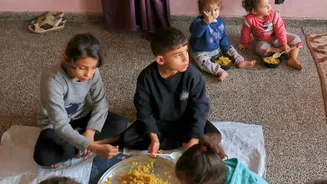
a consumer. This amounts to nearly 70 million tonnes annually, with a staggering economic cost of around Rs 92,000 crore. This waste occurs at every stage, from inefficient harvesting and a lack of cold storage to surplus at markets and consumer-level behaviour in cities. Meanwhile, millions in urban slums and on city streets face malnutrition, a crisis of access, not of availability. This disconnect between abundance and scarcity is where a new generation is stepping in.
A New Generation Responds
Across India, a wave of youth-led organisations is tackling this challenge head-on. Groups like the Robin Hood Army, founded in 2014 and now operating in over 400 cities, are built on a simple yet powerful idea: collect surplus food and give it to those who need it. These are not traditional, heavily funded NGOs. Many, like the Robin Hood Army, operate on a zero-funds model, driven entirely by volunteers who are predominantly students and young professionals. They use their free time to create hyper-local chapters, building relationships with restaurants, caterers, and wedding planners to rescue food that would otherwise be discarded. This decentralised, passion-fueled model allows them to be agile and effective at the community level.
The Anatomy of a Food Rescue
The process is a masterclass in logistics and community mobilisation. It starts with volunteers identifying and partnering with local food donors. When a restaurant has unsold meals at the end of the night, or a wedding caterer has a surplus, they alert the local volunteer team. The 'Robins', as they are known in the Robin Hood Army, then collect the food, often repackaging it into individual meals. The final step is distribution. Volunteers have identified clusters of need in their locality, from homeless families living under flyovers to residents of orphanages and old-age homes, and deliver the meals directly. This model bypasses the complex, and often leaky, traditional supply chains, creating a direct and efficient link between surplus and hunger.
Tech-Powered Philanthropy
The theme for World Food Day 2026, 'Innovate today. Nourish tomorrow', perfectly captures the spirit of these movements. What makes these youth networks so scalable is their smart use of technology. Social media platforms are used not just for raising awareness, but for coordinating volunteers and showcasing their impact, which builds trust with food donors. Communication apps enable rapid, real-time logistics, allowing teams to quickly respond to a call about available food. This tech-savvy approach allows for a decentralised structure to function cohesively. It’s a modern solution to an age-old problem, using the tools of the digital age to solve a fundamental human need.
The Challenges Ahead
The path is not without its obstacles. Ensuring food safety is paramount. The Food Safety and Standards (Recovery and Distribution of Surplus Food) Regulations of 2019 provide a framework, but organisations must be diligent in handling, storing, and distributing food safely to prevent illness. Volunteer burnout is another real concern in a model that relies entirely on donated time and energy. Scaling up also presents logistical hurdles, from coordinating more volunteers to managing a larger number of food donors without compromising on the speed and safety of distribution. Maintaining motivation and a clear sense of purpose is crucial for long-term sustainability.